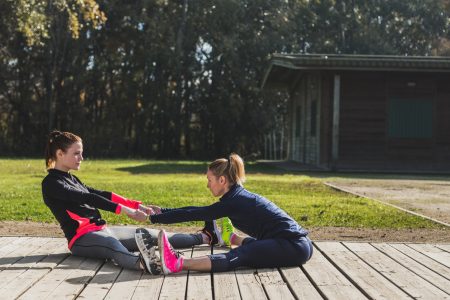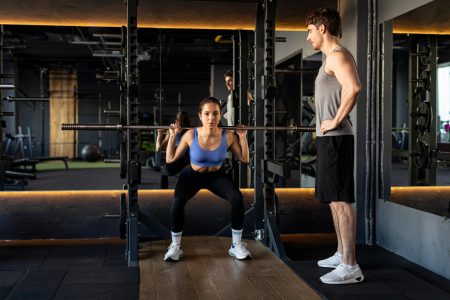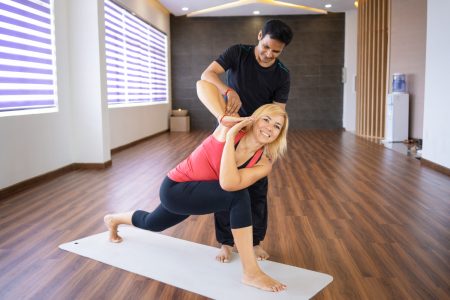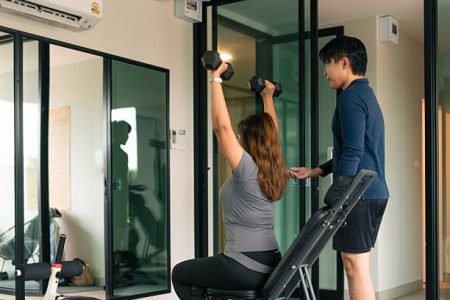
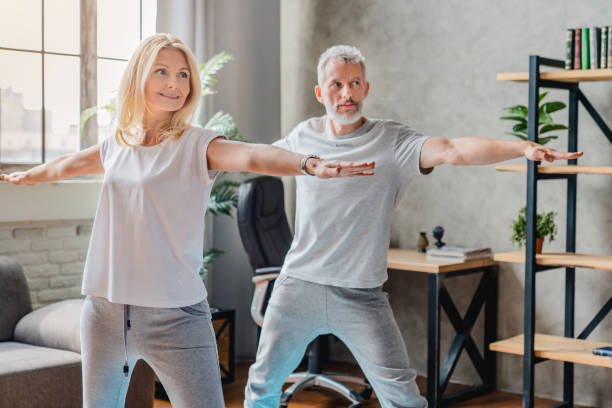
A strong core is the foundation of better movement, improved posture, and overall physical stability. While many people focus on visible abdominal muscles, deep core training focuses on the internal muscles responsible for controlling movement and supporting the spine. A consistent 10-minute deep core workout can improve strength, balance, and body control without requiring complicated equipment. Following guidance from an in home personal trainer helps ensure that every exercise is performed correctly while targeting the right muscles for better results.
Deep core exercises are designed to strengthen the muscles that stabilize your body during daily movements and physical activity. With proper technique, these workouts can improve functional strength, reduce movement limitations, and create a stronger foundation for overall fitness.
Why Is Deep Core Training Important for Overall Fitness?
Deep core training plays an important role in maintaining stability and controlling body movement. The core is not limited to the abdominal muscles visible on the surface. It includes deeper muscles that work together to support your spine, pelvis, and overall posture.
Understanding the Role of Deep Core Muscles in Stability and Movement
The deep core muscles act as a natural support system for your body. These muscles help maintain spinal stability, improve coordination, and control movement during exercise and everyday activities. When these muscles are strong, your body can transfer force more efficiently while maintaining better alignment.
Unlike exercises that only focus on surface-level abdominal muscles, deep core movements improve internal strength and control. Training these muscles regularly helps create a stable foundation that supports other areas of fitness, including strength training, mobility exercises, and balance-focused movements.
How Strong Core Muscles Support Posture, Balance, and Daily Activities
Strong core muscles contribute to better posture by helping maintain proper alignment of the spine and pelvis. They also support balance by allowing your body to stay controlled during different movements. A stable core reduces unnecessary stress on surrounding muscles and joints while improving overall movement efficiency.
Developing core strength is an important part of a complete fitness routine because it supports both exercise performance and daily physical tasks. A balanced core allows your body to move with greater control and confidence.
What Makes Deep Core Exercises Different From Regular Core Workouts?
Deep core exercises focus on activation, stability, and controlled movement rather than performing fast repetitions. These workouts require proper muscle engagement and awareness to strengthen the muscles responsible for supporting your body.
Targeting the Muscles Responsible for Stability and Control
Deep core training targets muscles such as the transverse abdominis, pelvic floor muscles, and stabilizing muscles around the spine. These muscles work together to provide support and maintain control during movement.
Exercises that focus on these areas usually involve slow, controlled movements that encourage proper activation. The goal is not only to strengthen the muscles but also to improve their ability to work together effectively.
Why Proper Technique Matters During Core Training at Home
Correct form is essential during deep core exercises because the effectiveness of the workout depends on proper muscle activation. Using momentum or incorrect positioning can reduce the benefits and place unnecessary stress on other parts of the body.
Maintaining controlled breathing, proper alignment, and steady movements allows you to engage the deep core muscles effectively. Professional guidance can help you understand how each exercise should feel and ensure that your technique continues improving.
What Should You Do Before Starting a 10-Minute Deep Core Workout?
Preparing your body before core training improves movement quality and helps your muscles perform efficiently. Even a short workout requires proper preparation to ensure safe and effective exercise.
Preparing Your Body With a Gentle Warm-Up
A gentle warm-up increases blood circulation and prepares your muscles for movement. Begin with simple exercises such as cat-cow stretches, torso rotations, hip movements, and light mobility exercises. These movements help loosen the body and activate the muscles involved in core stability.
A proper warm-up also improves flexibility and allows you to perform each exercise with better control. Spending a few minutes preparing your body can make your entire workout more effective.
Creating a Safe and Comfortable Home Workout Environment
A suitable workout environment allows you to perform exercises safely without distractions. Choose a comfortable space with enough room to move freely and use a supportive exercise mat if needed.
Keeping your workout area organized helps you focus on maintaining proper technique. A safe environment combined with professional guidance creates better conditions for consistent progress.
10-Minute Deep Core Workout Routine at Home
A short deep core workout can deliver effective results when it includes exercises that focus on stability, control, and muscle engagement. The following movements help strengthen the core while improving coordination and balance.
Dead Bug Exercise for Core Control
The dead bug exercise is highly effective for improving core stability and coordination. Lie on your back with your arms extended and knees bent. Slowly lower opposite arm and leg movements while keeping your lower back controlled against the floor.
This exercise teaches your core to maintain stability while your limbs move, making it valuable for improving body control and reducing unnecessary movement.
Bird Dog Exercise for Stability and Coordination
Bird dog exercises improve balance and strengthen the deep stabilizing muscles of the core. Begin on your hands and knees, then extend one arm and the opposite leg while keeping your body steady.
Focus on slow movements and maintaining proper alignment throughout each repetition. This exercise improves coordination while strengthening the muscles responsible for stability.
Plank Variations for Core Strength
Plank variations are among the most effective exercises for building deep core strength because they require your muscles to maintain stability while supporting your body weight. Traditional planks, side planks, and modified plank variations activate the abdominal muscles, lower back, shoulders, and hips.
To perform a plank correctly, keep your body in a straight line from your shoulders to your heels while engaging your core muscles. Avoid allowing your hips to drop or lifting them too high. Holding the position with proper alignment improves endurance and strengthens the muscles responsible for maintaining stability.
Glute Bridge With Core Engagement
Glute bridges are commonly associated with lower body strength, but they also play an important role in deep core activation. This exercise strengthens the glutes, improves pelvic control, and encourages better coordination between the core and lower body.
Lie on your back with your knees bent and feet flat on the floor. Engage your core before lifting your hips upward while maintaining control. Focus on keeping your ribs relaxed and avoiding excessive movement in your lower back. This exercise improves stability while supporting better movement patterns.
Hollow Body Hold for Deep Core Activation
The hollow body hold is a challenging exercise that targets deep abdominal muscles and improves overall core endurance. Lie on your back with your arms extended overhead and legs straight. Lift your shoulders and legs slightly from the floor while keeping your core engaged.
This movement requires concentration and controlled breathing. Beginners can modify the exercise by keeping their knees bent or reducing the range of motion. As strength improves, the exercise can become more challenging to continue developing core control.
How Can an In-Home Personal Trainer Improve Core Training Results?
Professional guidance can make deep core workouts more effective by ensuring that every exercise is performed with proper technique. A trainer helps identify areas that need improvement and creates a structured approach to building strength.
Correcting Form and Activating the Right Muscles
Many core exercises appear simple but require precise positioning to activate the correct muscles. An in-home personal trainer observes your movements and provides adjustments to improve posture, breathing, and muscle engagement.
Proper form ensures that the deep core muscles are working effectively instead of allowing other muscles to compensate. This approach improves workout quality while reducing unnecessary strain during training sessions.
Creating Personalized Workouts Based on Fitness Goals
Everyone has different fitness goals, abilities, and challenges. A customized workout plan ensures that exercises match your current strength level while gradually increasing difficulty as you progress.
A trainer can adjust exercise selection, workout duration, and intensity according to your needs. This personalized approach helps create sustainable progress while keeping your training sessions focused and effective.
What Are the Benefits of Core Training at Home?
Deep core training at home offers flexibility and convenience while helping you build essential strength. With the right routine and proper guidance, home based workouts can support long term fitness improvements.
Improving Stability, Mobility, and Functional Strength
A strong core improves the way your body moves by supporting balance, coordination, and stability. Deep core exercises strengthen the muscles responsible for controlling movement, which helps improve overall physical performance.
Better core strength also supports mobility by allowing your body to move through different positions with greater control. This combination of strength and flexibility creates a more balanced approach to fitness.
Building Consistency With Convenient Home-Based Workouts
One of the biggest advantages of home workouts is convenience. Short sessions make it easier to maintain consistency and include exercise as part of your regular routine.
With structured guidance from Triat Fitness, you can follow personalized training plans designed to improve strength, mobility, and overall fitness through professional support.
Common Mistakes to Avoid During Deep Core Exercises
Avoiding common training mistakes allows you to get better results while protecting your body from unnecessary stress. Proper technique and controlled movement should always remain the priority.
Using Momentum Instead of Controlled Movements
Deep core exercises rely on muscle control rather than speed. Performing movements too quickly often reduces core activation and shifts the workload to other muscles.
Focus on slow repetitions, steady breathing, and maintaining proper alignment throughout every exercise. Controlled movements create better muscle engagement and improve the effectiveness of your workout.
Holding Your Breath or Losing Proper Alignment
Breathing plays an important role during core training. Holding your breath can reduce performance and create unnecessary tension in the body.
Maintain steady breathing while keeping your spine and pelvis properly aligned. Good posture and breathing techniques allow your core muscles to work efficiently throughout the workout.
How Often Should You Perform Deep Core Workouts?
Consistency is essential for improving core strength, but recovery should also be considered when planning your training schedule.
Creating a Balanced Weekly Training Routine
Most individuals can benefit from deep core workouts two to four times per week depending on their fitness level and overall exercise routine. Short sessions performed consistently can gradually improve stability and strength.
Allowing recovery between workouts gives muscles time to adapt and become stronger. A balanced approach helps prevent overtraining while supporting steady progress.
Combining Core Exercises With Full-Body Fitness Training
Deep core workouts work best when combined with a complete fitness program that includes strength training, mobility exercises, and cardiovascular activity. A strong core supports performance across different types of exercise.
Integrating core training into a broader workout routine creates better overall fitness by improving strength, stability, and movement efficiency.
Why Choose an In-Home Personal Trainer for Core Training?
Personalized Guidance and Accountability
An in-home personal trainer provides direct support, motivation, and expert instruction during every session. Personalized guidance helps you stay consistent and ensures that your workouts continue matching your progress.
Safer Progression With Expert Fitness Support
Progressing too quickly or using incorrect techniques can limit results and increase injury risk. A trainer creates a gradual progression plan that challenges your body safely while helping you build confidence.
Searching for a fitness trainer at home allows you to receive professional coaching designed around your fitness goals and personal requirements.
Why Choose Triat Fitness?
Professional In-Home Personal Training Designed Around Individual Goals
Triat Fitness provides professional in-home personal training programs created around individual fitness goals. Certified trainers focus on delivering structured workouts that improve strength, mobility, and overall performance.
Expert Coaching for Safe and Effective Core Training at Home
With expert guidance, deep core workouts become safer and more effective. Triat Fitness trainers help improve exercise technique, create customized routines, and provide ongoing support to help you achieve consistent progress.
Conclusion
A 10-minute deep core workout can provide significant benefits when performed with proper technique and consistency. Strengthening the deep core muscles improves stability, posture, balance, and overall movement quality. Professional guidance from an in-home personal trainer ensures that your workouts are effective, safe, and aligned with your fitness goals.
If you are ready to improve your core strength with expert support, Start Your Training today and take the next step toward a stronger and healthier lifestyle.
FAQs
1. What is a deep core workout?
A deep core workout focuses on strengthening the internal muscles responsible for stability, posture, and controlled movement, including muscles around the abdomen, pelvis, and spine.
2. How long should a deep core workout last?
A focused 10-minute deep core workout can be effective when exercises are performed correctly with proper control and consistency.
3. Can I perform deep core exercises every day?
While some light core activation exercises can be performed frequently, most people benefit from allowing recovery time between more challenging core workouts.
4. Do I need equipment for deep core training at home?
No. Most deep core exercises use body weight and require minimal equipment, making them suitable for home workouts.
5. Why should I work with an in-home personal trainer for core exercises?
An in-home personal trainer provides customized workouts, corrects exercise technique, and helps you progress safely based on your fitness level and goals.