Summer is one of the most motivating seasons to restart or improve your fitness routine. Longer days, more sunlight, and warmer weather can make training feel more exciting, especially if you enjoy being active outside. At the same time, summer can also bring heat, humidity, travel, busy social calendars, and unpredictable energy levels. That is why many people ask about outdoor vs in-home personal training and wonder which option actually works better when the temperature rises.
At Triat Fitness, we help clients choose training formats based on goals, lifestyle, comfort, and consistency. Some people feel energized by outdoor sessions, while others perform better with the privacy and convenience of home-based coaching. The best answer is not the same for everyone. Outdoor vs in-home personal training depends on your schedule, your fitness level, your training goals, and how well you can manage summer heat without losing momentum.
Why Summer Changes The Way You Should Think About Training
Outdoor vs in-home personal training becomes an important question in summer because your training environment affects how hard workouts feel. In cooler months, you may be able to push harder without thinking much about temperature. In summer, heat and humidity can increase fatigue, raise perceived effort, and make recovery feel slower. That means the workout location can influence not only your comfort, but also how consistently you show up and how well you perform.
Outdoor vs in-home personal training should also be considered through the lens of real-life scheduling. Summer often includes vacations, patios, family events, outdoor activities, and longer evenings. A plan that looks good on paper may fall apart if it is too rigid. The best summer training option is the one that supports consistency while giving you enough flexibility to adjust around weather, travel, and energy. This is where smart coaching makes a major difference.
The Best Choice Depends On Your Biggest Barrier
Outdoor vs in-home personal training becomes easier to decide when you identify what usually stops you from training. If your biggest barrier is boredom, outdoor sessions may help because the fresh air and open space make workouts feel more enjoyable. If your biggest barrier is time, privacy, or heat sensitivity, in-home sessions may be better because they remove commute time and give you more control over the environment. The right choice is the one that makes training easier to repeat for 8 to 12 weeks, not just the one that sounds exciting today.
Outdoor Training: Fresh Air, Variety, And Summer Energy
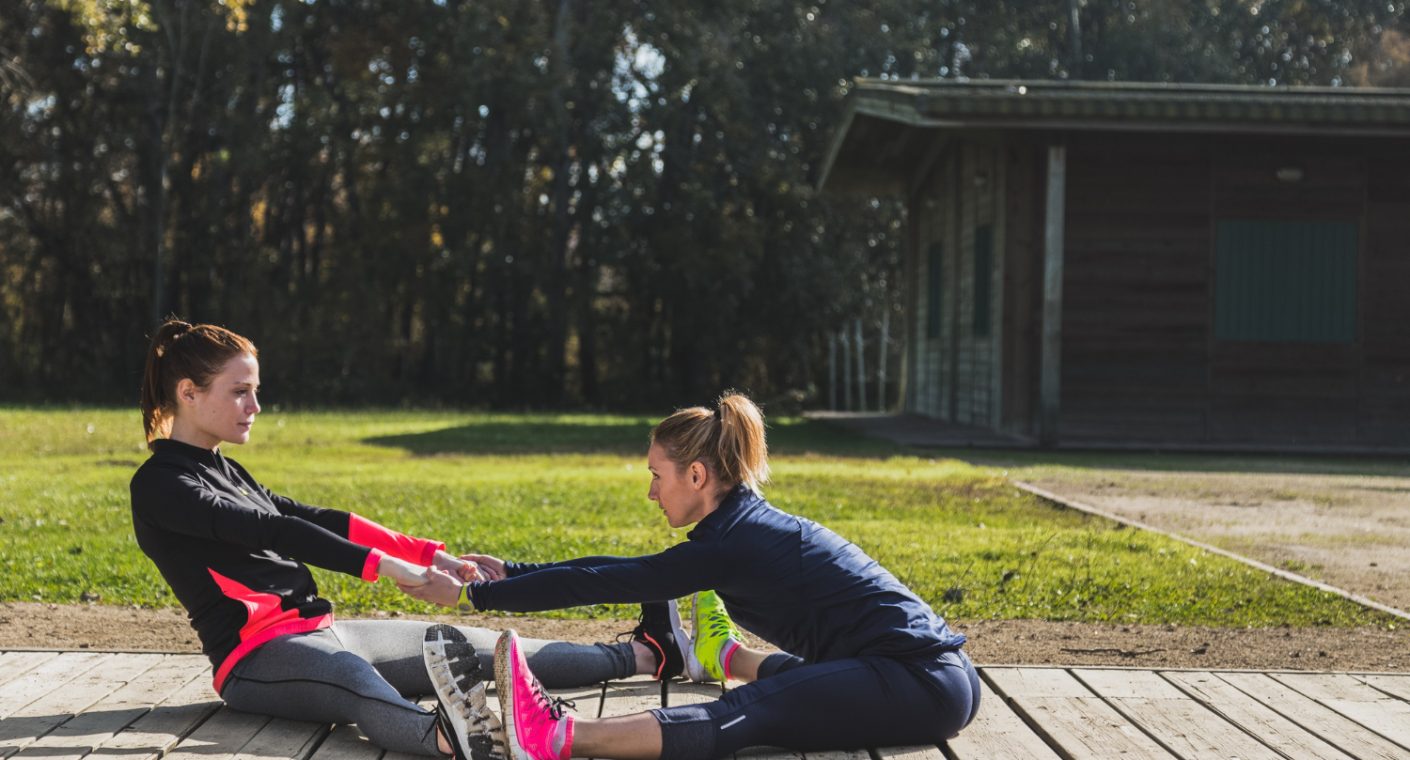
Outdoor vs in-home personal training often leans toward outdoor sessions for people who feel more motivated when they are not confined indoors. Parks, backyards, trails, and open spaces can make exercise feel less repetitive. Outdoor training can include bodyweight strength, resistance bands, sled-style drills, agility work, hill walks, mobility, core training, and conditioning circuits. For many clients, the outdoor environment creates a mental refresh that makes workouts feel more enjoyable.
Outdoor vs in-home personal training also matters for people who want more movement variety. Outdoor sessions can include longer walking warm-ups, interval conditioning, hill work, and more space for dynamic movements. This can be especially useful if your summer goals include stamina, fat loss, athletic conditioning, or simply feeling more active. When outdoor sessions are coached properly, they can provide structure without feeling like a traditional gym workout.
Who Outdoor Training Works Best For
Outdoor vs in-home personal training may favour outdoor sessions if you enjoy fresh air, need a change of scenery, and feel energized by open space. Outdoor training can be a strong fit for people who already have some exercise confidence and want sessions that feel active, dynamic, and seasonal. It can also work well for clients who spend most of the day indoors and want their workout to double as a mental reset. The key is planning around temperature, hydration, and safe surfaces so the session stays effective instead of becoming draining.
The Main Limits Of Outdoor Training
Outdoor vs in-home personal training should also consider outdoor limitations. Heat, humidity, rain, poor air quality, bugs, uneven ground, and lack of equipment can affect session quality. Outdoor training can be excellent, but it requires smart adjustments. You may need to train earlier in the morning, choose shaded areas, reduce intensity, or move inside on extreme heat days. If every outdoor session depends on perfect weather, consistency can suffer, which is why backup plans matter.
In-Home Personal Training: Convenience, Privacy, And Control
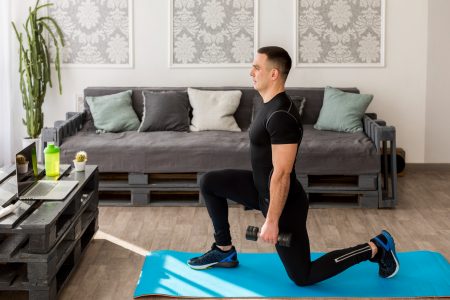
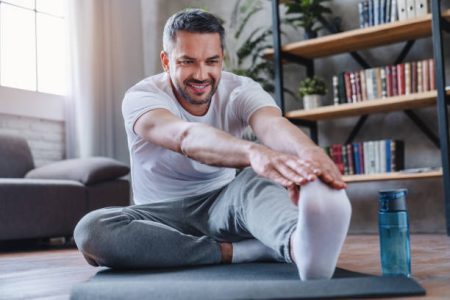
Outdoor vs in-home personal training often leans toward in-home sessions for clients who want consistency without commuting. In-home training can happen in a living room, basement, garage, backyard, condo gym, or other safe space. You do not need a full gym to train effectively. A skilled coach can build strong sessions with dumbbells, resistance bands, bodyweight exercises, portable tools, and smart programming. For busy people, this convenience can make training much easier to maintain.
Outdoor vs in-home personal training also highlights the value of privacy. Some clients feel uncomfortable exercising in parks or public areas, especially when they are beginners or returning after a long break. In-home sessions allow you to learn form, ask questions, and build confidence without feeling watched. The environment is controlled, the pace is personalized, and the workout can be adjusted to your current ability without outside distractions.
Who In-Home Sessions Work Best For
Outdoor vs in-home personal training may favour in-home sessions if you want privacy, convenience, and a controlled environment. It is a strong fit for busy professionals, parents, beginners, people with limited travel time, and clients who prefer personalized coaching away from public spaces. In-home sessions are also useful during hot or humid summer days because you can train indoors, adjust temperature, hydrate easily, and focus on safe movement without weather interfering.
Heat, Hydration, And Safety Should Guide Your Summer Decision
Outdoor vs in-home personal training should never ignore heat safety. Government of Canada guidance on extreme heat encourages people to take precautions during hot weather, including staying hydrated and being aware that extreme heat can affect health. If the weather is extremely hot, humid, or uncomfortable, moving a workout indoors can be the smarter choice.
Outdoor vs in-home personal training should also include hydration planning. Canada’s Food Guide notes that water is the drink of choice for regular exercise and recommends drinking water before, during, and after physical activity. In summer, hydration is not a small detail. It can affect energy, recovery, focus, and workout quality. Whether you train outside or at home, water and recovery habits should be part of the plan.
When To Move Outdoor Training Indoors
Outdoor vs in-home personal training should be flexible on days when heat, humidity, storms, or poor air quality make outdoor exercise less safe or less productive. If you feel dizzy, unusually fatigued, overheated, or unable to recover between sets, it may be time to lower intensity or move indoors. A smart plan does not force outdoor training just because it is summer. A smart plan uses outdoor sessions when conditions support good training and switches to in-home coaching when comfort, safety, or consistency requires it.
Comparing Results: Which Option Builds Strength, Fitness, And Consistency?
Outdoor vs in-home personal training can support excellent results when the coaching is structured and consistent. For strength goals, in-home training may have an advantage if you have dumbbells, bands, a bench, or access to a condo gym, because progression can be controlled and tracked more easily. However, outdoor sessions can still build strength through bodyweight progressions, loaded carries, resistance bands, tempo work, and functional circuits. Results depend less on the location and more on the quality of the program.
Outdoor vs in-home personal training for fat loss also depends on consistency. Outdoor sessions may increase total movement and motivation, while in-home sessions may be easier to schedule and repeat. The best fat loss plan usually includes strength training, regular movement, conditioning, and recovery. If outdoor training gets you excited and moving more often, it can help. If in-home training keeps you accountable and prevents missed sessions, it may work better. The location that keeps you consistent usually produces the better result.
Beginners Often Benefit From In-Home Structure First
Outdoor vs in-home personal training for beginners often favours in-home coaching at first because privacy and form correction matter so much. Beginners need to learn basic movement patterns like squats, hinges, pushes, pulls, carries, and core stability. A quieter environment can help clients focus on technique without distractions. Once confidence improves, outdoor sessions can be added for variety, conditioning, and seasonal motivation.
More Active Clients May Enjoy A Hybrid Approach
Outdoor vs in-home personal training does not have to be an either-or decision. Many active clients do well with a hybrid structure. They use in-home sessions for strength, technique, and controlled progression, then add outdoor sessions for conditioning, walking, mobility, or athletic-style training. This gives them the best of both worlds: structure from home coaching and energy from outdoor movement. A hybrid approach also keeps summer training fresh without sacrificing results.
Quick Decision Checklist For Summer Training
Outdoor vs in-home personal training becomes easier when you compare the practical details instead of guessing. Both options can work, but one may fit your lifestyle better this season. Think about your schedule, heat tolerance, privacy needs, equipment access, and motivation style. A training plan should reduce barriers, not create more of them. The easier the routine is to repeat, the better your results will usually be.
Outdoor vs in-home personal training should also be chosen based on what helps you show up during imperfect weeks. Summer will not always give you ideal conditions. Some days will be hot, some days will be busy, and some weeks will include travel. Use this checklist to decide which format will support your consistency best:
- Choose outdoor training if fresh air improves your motivation
- Choose outdoor training if you enjoy walking, conditioning, and open-space workouts
- Choose outdoor training if you want a seasonal change from indoor routines
- Choose in-home sessions if you need privacy and convenience
- Choose in-home sessions if summer heat affects your energy
- Choose in-home sessions if you want controlled strength progression
- Choose a hybrid plan if you want both structure and outdoor variety
- Choose the option you can repeat for at least 8 weeks
How Triat Fitness Helps You Use The Right Training Format
Outdoor vs in-home personal training becomes simpler when you have a coach who can adjust your plan based on conditions, goals, and schedule. Triat Fitness helps clients build routines that are practical, flexible, and results-focused. If outdoor conditions are ideal, your coach can build a session around movement, conditioning, and summer energy. If heat or time becomes a barrier, your coach can shift the plan indoors and keep your progress moving.
Outdoor vs in-home personal training also works better when your service format matches your lifestyle. Triat Fitness offers 1-on-1 In-Home Personal Training for clients who want private customized coaching, Partner In-Home Training (2-on-1) for clients who want shared accountability, and Small Group Personal Training for clients who want coaching, motivation, and structure in a group setting. These options give you flexibility without losing the support of a professional plan.
Combining Services For Better Summer Consistency
Outdoor vs in-home personal training can be combined with different Triat Fitness services depending on your goals. You might use 1-on-1 In-Home Personal Training for strength and form, then add outdoor walks or conditioning sessions between appointments. You might choose Partner In-Home Training (2-on-1) if you train better with a spouse or friend. You might choose Small Group Personal Training if you want more energy and accountability. The goal is to build a structure that supports your real life, not a plan that only works in perfect conditions.
Why Choose Triat Fitness
Triat Fitness understands that summer fitness is not just about working harder. It is about training smarter, staying consistent, and choosing the right environment for your goals. Outdoor vs in-home personal training can both work, but the best choice depends on your comfort, schedule, heat tolerance, and motivation style. Triat Fitness helps you make that decision with coaching that focuses on safe movement, smart progression, and realistic routines.
Triat Fitness also gives clients flexible options. With 1-on-1 In-Home Personal Training, you get private coaching in your own space. With Partner In-Home Training (2-on-1), you can train with someone you trust while still receiving guided support. With Small Group Personal Training, you get coached structure and group motivation. Whether you prefer outdoor variety or in-home convenience, Triat Fitness helps you stay accountable and keep progressing through the summer.
Your Next Step With Triat Fitness
Outdoor vs in-home personal training starts with one practical question: what will help you train consistently this summer? If privacy, heat control, and convenience matter most, start with in-home coaching. If fresh air and outdoor energy motivate you, add outdoor sessions when conditions are safe. If both appeal to you, choose a hybrid plan that uses each format for its strengths.
Triat Fitness can help you choose the right plan, set your weekly schedule, and adjust training around weather, travel, and recovery. Once your routine fits your life, consistency becomes much easier.
The Better Option Is The One You Can Repeat
Outdoor vs in-home personal training does not have one universal winner. Outdoor training can be motivating, refreshing, and great for conditioning. In-home sessions can be private, convenient, controlled, and easier to maintain in hot weather. Both can produce results when the workouts are coached, structured, and progressive. The best choice is the one that helps you show up consistently and train safely.
If you want support choosing the right summer format, Triat Fitness can help you build a plan through 1-on-1 In-Home Personal Training, Partner In-Home Training (2-on-1), or Small Group Personal Training. Summer should not be a season of burnout or missed workouts. With the right structure, outdoor vs in-home personal training becomes less of a debate and more of a strategy for staying strong, active, and consistent.
Frequently Asked Questions
- What is better in summer, outdoor vs in-home personal training?
Outdoor vs in-home personal training depends on your goals and heat tolerance. Outdoor sessions offer fresh air and variety, while in-home sessions offer privacy, control, and convenience. - Is outdoor vs in-home personal training better for beginners?
Many beginners start better with in-home sessions because they can learn form privately, then add outdoor workouts as confidence improves. - Can outdoor vs in-home personal training help with weight loss?
Yes, both can support weight loss when the plan includes strength training, conditioning, daily movement, and consistent accountability. - Should I avoid outdoor training on very hot days?
Yes, it is often smarter to reduce intensity or train indoors during extreme heat, especially if you feel dizzy, overheated, or unusually fatigued. - Which Triat Fitness service is best for in-home summer training?
1-on-1 In-Home Personal Training is ideal for private coaching, while Partner In-Home Training (2-on-1) adds shared accountability at home. - Can Small Group Personal Training support outdoor vs in-home personal training goals?
Yes, Small Group Personal Training can support your goals by adding coaching, structure, accountability, and motivation. - Can I combine outdoor and in-home sessions with Triat Fitness?
Yes, a hybrid plan can combine outdoor conditioning with in-home strength sessions so outdoor vs in-home personal training works together for better consistency.