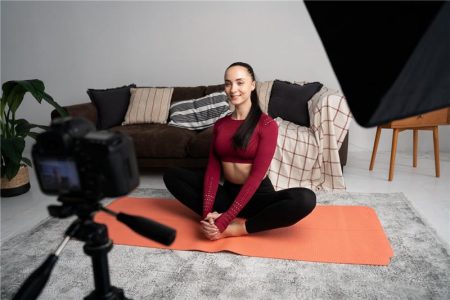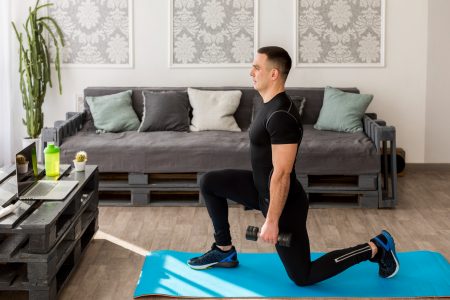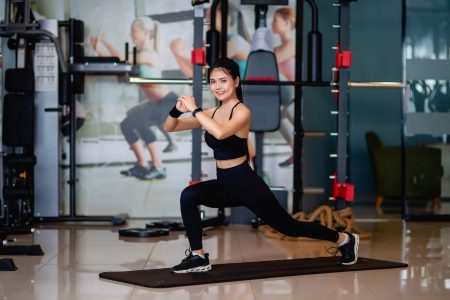

Starting fitness journey can feel exciting and intimidating at the same time. You might be motivated to change, but unsure where to begin, what to do in the gym, or how to stay consistent when life gets busy. The good news is that you do not need a perfect routine to get results. You need a simple plan you can repeat, a few key habits you can maintain, and a realistic way to track progress without obsessing over it.
At Triat Fitness, we help people begin a new workout routine every day, from true beginners to those restarting after years away. The biggest difference between people who follow through and people who stop is not talent or willpower. It is structure. In this beginner’s guide, you will learn how to start, what to focus on first, how to build a weekly routine, and how to keep your starting fitness journey moving forward with confidence.
Start With A Clear Goal That Matches Real Life
Starting fitness journey becomes much easier when you choose one primary goal and one supporting goal. Your primary goal might be fat loss, building strength, improving stamina, or simply feeling better day to day. Your supporting goal should be a habit that makes the primary goal easier, like walking more, training three times per week, or sleeping better. When starting fitness journey goals are too broad, it is hard to know what to do next. When starting fitness journey goals are clear, your daily choices become simpler.
Starting fitness journey should also be based on your average week, not your best week. If your plan requires perfect energy and unlimited time, it will not last. A realistic plan is something you can repeat for 8 to 12 weeks, even when your schedule is busy. For most beginners begin a new workout routine, that means building a routine around three consistent workouts per week and steady daily movement.
How To Set A Goal You Can Measure
Starting fitness journey goals work best when you measure progress in at least two ways. One way should be consistency, like completing three workouts per week for four weeks. Another way should be performance, like adding reps to a squat, lifting slightly heavier dumbbells, or walking longer without feeling winded. When starting fitness journey progress is measurable, motivation becomes easier because you can see improvement even when the scale changes slowly.
Starting fitness journey also becomes less stressful when you set a time frame for your first phase. Choose four weeks as your “starter phase.” Your job is not to be perfect. Your job is to show up, learn form, and build momentum.
Build Your Weekly Routine With Simple Strength Training
Starting fitness journey should include strength training early, even if your main goal is fat loss. Strength training supports posture, confidence, and long-term body composition because it helps you build or maintain lean muscle. A well-structured strength routine also makes daily life easier, from carrying groceries to climbing stairs. If you are starting fitness journey and you only do random cardio, you may feel tired without building the strong base that makes fitness easier over time.
Starting fitness journey is usually most successful with three strength sessions per week on non-consecutive days. This gives you enough frequency to practice movements and improve while leaving time for recovery. Your sessions should focus on full-body patterns: squat, hinge, push, pull, and core stability. Starting fitness journey does not require fancy equipment. Dumbbells, cables, machines, or bodyweight can all work if the plan is consistent and progressive.
The Five Movement Patterns Every Beginner Needs
Starting fitness journey becomes more effective when you focus on movement patterns instead of chasing new exercises every week. A squat pattern builds legs and core stability, a hinge pattern builds glutes and hamstrings, a push pattern trains chest and shoulders, a pull pattern strengthens the upper back, and core work improves stability. When starting fitness journey includes these patterns consistently, you build balanced strength and reduce the chance of overuse aches from poorly planned training.
Starting fitness journey also feels less intimidating when you master a few exercises and repeat them for several weeks. Repetition builds confidence. Once you feel comfortable, you can add variations, but the foundation should stay stable.
Add Daily Movement That Supports Your Workouts
Starting fitness journey is not only about workouts. Daily movement often determines how consistent your results feel. Many people train three times a week but sit for most of the other days. If you are starting fitness journey, walking is one of the simplest ways to increase weekly activity without burning out. Walking supports recovery, boosts mood, and makes it easier to maintain a routine when your schedule changes.
Starting fitness journey becomes even smoother when you attach movement to habits you already have. Walk after lunch, walk during phone calls, or walk for 10 minutes after dinner. You do not need a perfect step count. You need consistency. For many beginners begin a new workout routine, daily walking plus three strength sessions is a powerful combination that feels sustainable.
How To Combine Cardio And Strength Without Overdoing It
Starting fitness journey cardio should support your strength work, not replace it. A simple approach is to add one or two short cardio sessions per week, like a brisk walk, cycling, or a short interval session on a bike. Keep cardio moderate at first. If starting fitness journey workouts leave you exhausted, it becomes harder to stay consistent.
Starting fitness journey should feel repeatable. You want to finish most sessions feeling challenged but capable of training again in a day or two. When you manage intensity well, you stay consistent, and consistency drives results.
Make Nutrition And Hydration Simple Enough To Maintain
Starting fitness journey nutrition does not need extreme dieting. It needs stable habits that support energy and recovery. A practical starting point is to build meals around protein, vegetables or fruit, and a reasonable portion of carbs and healthy fats. When begin a new workout routine meals are balanced, workouts feel better and cravings become easier to manage.
Starting fitness journey also depends on hydration more than people expect. Under-hydration can lead to fatigue, headaches, and poorer workout performance. Make water a daily habit, especially around workouts. If you want a simple rule while starting fitness journey, drink water before training, sip during training, and drink afterward. Small habits like this improve recovery and make follow-through easier.
How To Use Sleep And Recovery As Your Advantage
Starting fitness journey progress depends on recovery. If you sleep poorly, your workouts feel harder and your motivation drops faster. Protecting sleep is one of the most effective “beginner hacks.” Aim for a consistent bedtime, reduce late-night screen time, and keep caffeine earlier in the day if possible. When begin a new workout routine includes better sleep, you often notice improved energy and better workout consistency within two weeks.
Starting fitness journey also requires rest days. Rest days are not failure. They are part of training. Use rest days for walking, light stretching, and easy movement. This keeps momentum without draining you.
Your First Four Weeks: A Simple Plan You Can Follow
Starting fitness journey works best when you have a clear four-week plan. The goal of the first month is not perfection. It is building a routine, learning form, and creating momentum you can repeat. A simple structure is three strength sessions per week, daily walking, and one optional short cardio session. Keep workouts between 45 and 60 minutes and focus on consistency. When starting fitness journey feels organized, it becomes easier to follow through.
Starting fitness journey should also include basic tracking. Write down your workouts, sets, reps, and weights. Track how many sessions you complete each week. Take a simple progress photo once per month if you want. When starting fitness journey progress is recorded, you stop guessing and you start seeing patterns that help you improve.
Quick Beginner Checklist For Weekly Consistency
- Schedule three workouts like appointments
- Walk most days, even if it is only 15 to 20 minutes
- Repeat the same key exercises for at least four weeks
- Stop most sets with 1 to 2 reps left in the tank
- Track your weights and reps so you can progress
- Drink water before, during, and after workouts
- Keep one easy recovery day each week
- Focus on showing up, not being perfect
What To Do When You Miss A Workout
Starting fitness journey does not require a flawless streak. If you miss a session, do not try to punish yourself with extra workouts. Simply return to the plan. The fastest way to fail is to treat one missed session as a reason to quit. The fastest way to succeed is to restart immediately.
Starting fitness journey becomes much easier when you build a backup plan. If you cannot get to the gym, do a short at-home dumbbell workout. If you only have 20 minutes, do the first three exercises and leave. Small wins keep momentum alive.
How Coaching Makes Starting Fitness Journey Easier
Starting fitness journey can be confusing because beginners often do not know how hard to push, what weight to use, or whether their form is correct. Coaching solves these problems by removing guesswork. At Triat Fitness, we guide beginners through structured programming, exercise scaling, and steady progression so workouts feel clear and safe. When starting fitness journey is coached, you learn faster and build confidence sooner.
Starting fitness journey also becomes easier when accountability is built in. Many people struggle not because they lack knowledge, but because life gets busy and motivation drops. Coaching formats create a schedule and an expectation to show up, which improves consistency. If you want a flexible approach, you can choose the format that fits your lifestyle and budget, then build your routine around it.
The Service Options That Support Consistency
Starting fitness journey can be supported through Small Group Personal Training if you want structure, coaching, and community energy. If you prefer privacy and customization, 1-on-1 In-Home Personal Training helps you train in your home or condo gym with a plan built around your space. If you follow through better with a partner, Partner In-Home Training (2-on-1) adds shared motivation and makes showing up easier. These options make starting fitness journey more realistic because the plan fits your life.
Starting fitness journey is not about finding the “best” workout online. It is about finding the best structure for you, then staying consistent long enough for results to compound.
Why Choose Triat Fitness
Triat Fitness focuses on practical coaching that makes starting fitness journey feel simple, safe, and repeatable. Instead of pushing extreme routines, Triat Fitness builds programs around fundamentals, steady progression, and consistency. With Small Group Personal Training, you get coached structure and accountability in a supportive environment. With 1-on-1 In-Home Personal Training, you get a customized plan built around your goals and your space. With Partner In-Home Training (2-on-1), you get shared accountability that helps many beginners stay consistent.
Triat Fitness also encourages a balanced weekly routine that includes both regular activity and muscle strengthening, which aligns with public health guidance for adults. If you want to explore helpful Canadian resources as part of starting fitness journey education, see the two government links below.
Canadian Government Resources
- Physical Activity Tips for Adults (18 to 64 years)
- Canada’s Food Guide (Healthy eating and physical activity)
Your Next Step After Reading This Guide
Starting fitness journey should begin with one decision you can act on today. Pick your three weekly workout days and schedule them. Choose a daily walking minimum you can repeat. Write down your first workout plan and keep it simple. If you want coaching support and accountability, Triat Fitness can help you choose the right format and build a routine you can stick with.
Starting fitness journey becomes easier when you stop chasing perfection and start building consistency. If you show up for the next four weeks, you will feel stronger, more confident, and more in control of your routine.
Keep It Simple And Keep Showing Up
Starting fitness journey is not about doing everything at once. It is about building a few habits that you can repeat until they become normal. Focus on three strength sessions per week, daily movement, simple nutrition, and recovery. Track your workouts and progress gradually. If you do these things consistently, results will follow.
If you want guidance, structure, and a plan that fits your real life, Triat Fitness can help you build and maintain your starting fitness journey through Small Group Personal Training, 1-on-1 In-Home Personal Training, or Partner In-Home Training (2-on-1). The best time to start is now, and the best plan is the one you can actually follow.
Frequently Asked Questions
- What is the best way to start a starting fitness journey if I feel out of shape?
Start with three workouts per week, daily walking, and a simple goal focused on consistency rather than perfection. - How long does starting fitness journey take to show results?
Many people feel better in 2 to 4 weeks, and visible changes often appear in 8 to 12 weeks when starting fitness journey habits are consistent. - Should starting fitness journey focus on cardio or strength training first?
Starting fitness journey usually works best with strength training as the foundation, plus walking and optional short cardio sessions. - How do I stay consistent during starting fitness journey when I get busy?
Schedule workouts, build backup plans for short sessions, and focus on weekly attendance rather than perfect routines. - Can Small Group Personal Training help with starting fitness journey confidence?
Yes, coached small groups provide structure, form guidance, and accountability that help many people stay consistent. - Is 1-on-1 In-Home Personal Training good for starting fitness journey beginners?
Yes, it provides personalized coaching and a plan built around your home or condo gym, which can reduce barriers. - How does a partner help with starting fitness journey follow-through?
Partner In-Home Training (2-on-1) adds shared accountability and makes it easier to show up consistently during starting fitness journey.