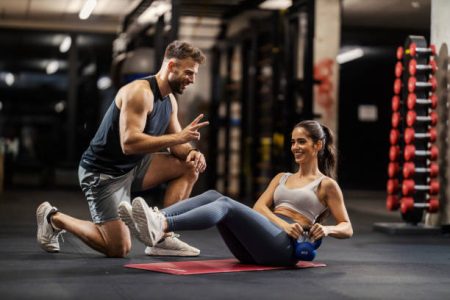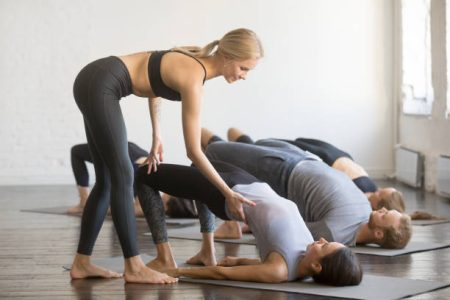
Building strong legs is about much more than improving appearance. Your lower body supports nearly every movement you make, from walking and climbing stairs to maintaining balance and lifting objects safely. Strong leg muscles also improve stability, posture, endurance, and overall functional fitness. Fortunately, you do not need a commercial gym to strengthen your lower body. With a well structured routine and guidance from a fitness trainer at home, you can achieve consistent progress without leaving your home. Professional coaching helps you perform each movement correctly, stay motivated, and train according to your fitness level, making every workout more effective.
Why Should You Train Your Legs at Home?
Training your legs at home offers flexibility without sacrificing results. A dedicated routine can strengthen major muscle groups, improve mobility, and support better athletic performance while fitting into your daily schedule. Home workouts also make it easier to stay consistent because you can exercise whenever it is convenient. When combined with proper guidance and progressive training, home based leg workouts can produce results comparable to many gym programs.
The Benefits of Regular Lower Body Strength Training
Regular lower body training develops the quadriceps, hamstrings, glutes, calves, and supporting muscles that contribute to everyday movement. Stronger legs improve balance, reduce muscle imbalances, and provide better support for the knees and hips. As these muscles become stronger, your body performs everyday activities with greater efficiency while maintaining better stability during physical exercise. Lower body strength also contributes to improved posture and supports overall athletic performance by creating a stronger foundation for movement.
How a Fitness Trainer at Home Improves Workout Results
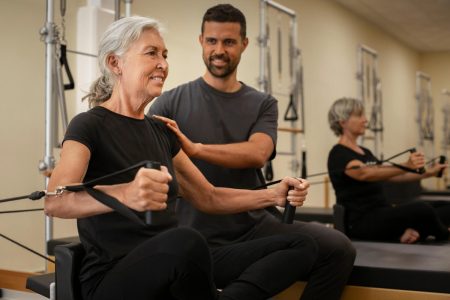
Many people perform exercises incorrectly without realizing it, limiting their progress and increasing the likelihood of discomfort. A fitness trainer observes your movement patterns, corrects your technique, and creates workouts that match your current abilities. Instead of repeating the same routine every week, your trainer gradually introduces new challenges that keep your muscles adapting. This personalized approach helps you improve safely while maintaining steady progress toward your fitness goals.
What Should You Do Before Starting Leg Exercises at Home?
Preparing your body before exercising is essential for maximizing performance and reducing the risk of injuries. A few minutes spent warming up allows your muscles, joints, and cardiovascular system to transition smoothly into more demanding movements. Skipping this step can reduce workout quality and place unnecessary stress on your lower body.
Warm-Up Exercises to Prepare Your Lower Body
An effective warm up should focus on increasing mobility and activating the muscles you plan to train. Begin with gentle movements such as marching in place, bodyweight squats, hip circles, leg swings, and walking lunges. These exercises improve blood circulation while preparing your hips, knees, and ankles for a full range of motion. Spending five to ten minutes warming up allows your body to perform each exercise with better control and efficiency.
Tips for Maintaining Proper Form and Preventing Injuries
Proper technique is the foundation of every successful workout. Keep your core engaged throughout each movement, maintain a neutral spine, and ensure your knees move naturally in line with your feet. Perform every repetition slowly and with control rather than relying on momentum. It is also important to progress gradually instead of increasing repetitions or intensity too quickly. Consistent attention to form not only improves results but also helps protect your joints and muscles during long term training.
10 Best Leg Exercises at Home for Strength and Stability
Choosing exercises that target multiple muscle groups provides the greatest benefit for home workouts. The following movements improve lower body strength, balance, stability, and muscular endurance while requiring little or no equipment.
Bodyweight Squats
Bodyweight squats remain one of the most effective lower body exercises because they engage several major muscle groups at once. Lower your hips until your thighs are nearly parallel with the floor while keeping your chest upright and your heels firmly planted. Return to a standing position using controlled movement. Regular squats strengthen the quadriceps, hamstrings, glutes, and core while improving overall mobility.
Reverse Lunges
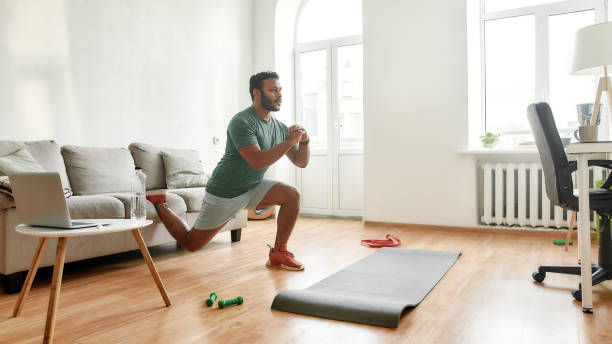
Reverse lunges challenge one leg at a time, helping correct muscle imbalances while improving coordination. Step backward with one foot, lower both knees under control, and push through the front heel to return to the starting position. Compared with some other lunge variations, reverse lunges place less stress on the knees while still providing excellent strength building benefits.
Bulgarian Split Squats
Bulgarian split squats are ideal for increasing single leg strength and improving stability. Position one foot behind you on a stable surface while lowering your body until your front thigh is nearly parallel with the floor. This movement activates the glutes, quadriceps, and hamstrings while requiring balance and core engagement throughout the exercise.
Glute Bridges
Glute bridges effectively strengthen the posterior chain, including the glutes, hamstrings, and lower back. Lie on your back with your knees bent and feet flat on the floor. Raise your hips until your body forms a straight line from your shoulders to your knees before lowering slowly. This exercise improves hip strength, enhances stability, and supports healthier movement patterns.
Step-Ups
Step ups are excellent for developing functional lower body strength because they closely resemble everyday movement. Using a sturdy platform or step, place one foot firmly on the surface and drive through your heel to lift your body upward before returning with control. This exercise strengthens the quadriceps, glutes, calves, and stabilizing muscles while improving balance and coordination.
As your training progresses, working with Triat Fitness ensures your workouts continue to evolve with structured programming, professional guidance, and personalized coaching that supports steady long term results.
Wall Sits
Wall sits are excellent for building muscular endurance in the quadriceps and glutes. Stand with your back against a wall and slide down until your knees form approximately a ninety degree angle. Hold the position while keeping your back flat against the wall and your feet firmly planted. As your endurance improves, gradually increase the amount of time you hold the position.
Calf Raises
Strong calves contribute to better balance, ankle stability, and overall lower body performance. Stand with your feet shoulder width apart and slowly lift your heels until you are standing on your toes. Pause briefly before lowering your heels with control. Performing calf raises consistently helps strengthen the lower legs and supports smoother movement during walking, running, and jumping.
Lateral Lunges
Lateral lunges strengthen muscles that are often overlooked during traditional forward and backward movements. Step to one side while bending the working leg and keeping the opposite leg straight. Push through your heel to return to the starting position. This exercise improves hip mobility, balance, and side to side stability while targeting the inner thighs and glutes.
Single Leg Romanian Deadlifts
This exercise develops balance, coordination, and posterior chain strength. Stand on one leg while hinging forward at the hips and extending the opposite leg behind you. Keep your back straight and lower your torso until you feel a stretch in your hamstrings before returning to an upright position. Controlled movement is more important than speed, making this an excellent exercise for improving stability and strengthening the hamstrings and glutes.
Jump Squats for Power and Endurance
Jump squats combine strength training with explosive movement to improve power and cardiovascular endurance. Begin with a standard squat, then drive upward into a controlled jump before landing softly and immediately preparing for the next repetition. This advanced exercise should only be performed after mastering proper squat technique.
How Can a Fitness Trainer at Home Improve Your Leg Workouts?
Professional coaching transforms a basic workout into a structured training program. A trainer helps you exercise with confidence while ensuring every session contributes to your long term fitness goals.
Correcting Technique and Movement Patterns
Small adjustments in posture and movement can make a significant difference in your results. A trainer identifies incorrect movement patterns, improves your posture, and ensures every repetition is performed safely. Better technique not only increases workout effectiveness but also reduces unnecessary stress on your joints and muscles.
Creating Progressive Workout Plans for Better Results
As your strength improves, your workouts should evolve as well. A trainer gradually increases repetitions, resistance, or exercise difficulty to keep your muscles adapting. If you are searching for a personal workout trainer near me, personalized coaching can help you stay consistent while progressing safely toward your fitness goals.
How Often Should You Train Your Legs?
Recovery is just as important as training. A balanced workout schedule allows muscles to rebuild and become stronger while reducing the risk of overtraining.
Weekly Training Frequency for Different Fitness Levels
Beginners generally benefit from two lower body sessions each week, while intermediate and advanced individuals can train legs two to three times weekly depending on their overall program and recovery capacity. Training volume and proper progression are often more important than simply increasing workout frequency.
Balancing Strength Training With Recovery
Adequate sleep, hydration, balanced nutrition, and rest days all contribute to muscle recovery. Stretching after workouts and maintaining mobility also help reduce stiffness and prepare your body for future training sessions.
Common Mistakes to Avoid During At Home Leg Workouts
Avoiding common mistakes helps you achieve better results while minimizing injury risk.
Poor Form and Limited Range of Motion
Using incomplete movements or sacrificing form for additional repetitions limits muscle activation and slows progress. Focus on controlled repetitions through a comfortable range of motion while maintaining proper posture throughout every exercise.
Skipping Warm Ups, Recovery, and Progressive Overload
Missing warm ups, neglecting recovery, or repeating the same workout for months can reduce progress. Continue challenging your muscles by gradually increasing repetitions, resistance, or exercise complexity while allowing enough recovery between sessions.
How to Progress Your At Home Leg Training
Increasing Repetitions, Resistance, and Intensity
As exercises become easier, increase repetitions, add resistance bands or dumbbells, reduce rest periods, or perform more challenging variations. Progressive overload is one of the most effective ways to continue building strength.
Knowing When to Advance to More Challenging Exercises
Progress only when you can complete every repetition with excellent form. Mastering basic exercises before moving to advanced variations builds a stronger foundation and reduces unnecessary injury risk.
Why Choose a Fitness Trainer at Home Instead of Working Out Alone?
Personalized Coaching and Accountability
A trainer provides expert guidance, keeps you motivated, and ensures every workout aligns with your personal goals. Regular feedback and accountability help maintain consistency and improve long term success.
Safe, Effective, and Goal Oriented Training Programs
Rather than following generic online routines, personalized training programs are designed around your fitness level, experience, and objectives. This customized approach allows you to progress safely while maximizing every workout.
Why Choose Triat Fitness?
Certified Fitness Trainers Providing In Home Personal Training
Triat Fitness offers certified professionals who deliver one on one personal training directly in your home. Every session focuses on proper technique, measurable progress, and building confidence through structured coaching.
Customized Workout Programs Designed for Long Term Success
Every individual has different goals and abilities. Triat Fitness creates customized workout plans that adapt as your strength and fitness improve, helping you achieve lasting results through consistent guidance and progressive training.
Conclusion
Strong legs improve your stability, mobility, and overall quality of movement. With the right exercises, proper technique, and consistent progression, home workouts can produce outstanding results. Working with a qualified trainer ensures every session is safe, efficient, and tailored to your goals. Ready to take the next step? Book Your Trainer today and begin building stronger legs with expert in home coaching.
FAQs
1. Can I build strong legs without gym equipment?
Yes. Bodyweight exercises such as squats, lunges, bridges, and step ups effectively develop lower body strength when performed consistently.
2. How many times a week should I train my legs?
Most people benefit from training their legs two to three times per week while allowing adequate recovery between sessions.
3. Is a fitness trainer at home suitable for beginners?
Yes. A trainer creates workouts based on your current fitness level and teaches proper technique from the beginning.
4. How long should an at home leg workout last?
A well structured session usually lasts between 30 and 60 minutes, including warm up and cool down.
5. How can I make bodyweight leg exercises more challenging?
Increase repetitions, add resistance bands or weights, reduce rest time, or progress to advanced exercise variations as your strength improves.