Getting fit with someone you trust can make exercise feel more enjoyable, more consistent, and less intimidating. Whether you train with a spouse, friend, sibling, roommate, or colleague, partner training gives you shared accountability while still keeping the focus on real results. The key is making sure the sessions are coached properly, structured around both people’s goals, and adjusted for different fitness levels so neither person feels held back.
At Triat Fitness, we help people build routines that fit real life. Partner training can be a powerful option for busy adults who want expert coaching, motivation, and value without losing the benefits of personalized attention. In this guide, you will learn how this training style works, who it is best for, how to avoid common mistakes, and how to get stronger together while still progressing as individuals.
What Is Partner Training And How Does It Work?
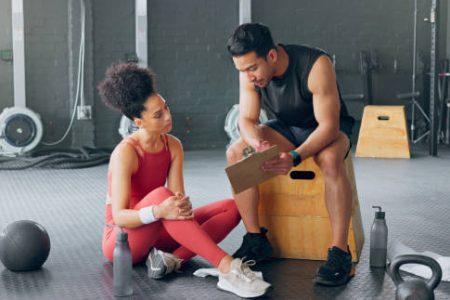
Partner training is a coached fitness format where two people train together in the same session with one trainer. The workout is shared, but the coaching should still be personalized. That means both people may do the same movement pattern, like squats or rows, but use different weights, different ranges of motion, or different exercise variations depending on their current level. A good coach makes the session feel unified without forcing both people into the exact same workout.
This format usually begins with a discussion about each person’s goals, training history, injuries, schedule, and comfort level. From there, the coach builds a plan that supports both clients. One person might want fat loss and conditioning, while the other wants strength and better posture. The session can still work for both because exercises can be scaled. This is what separates professional two-person coaching from simply working out beside a friend at the gym.
Why It Is Different From Training With A Friend Alone
This approach is not just two people following a random workout together. The difference is coaching, structure, and progression. When two people train alone, one person may push too hard while the other falls behind, or both may skip exercises they do not enjoy. With a trainer, the session stays organized and safe. Each person gets feedback, form corrections, and a clear path forward, which helps both people improve without sacrificing individual results.
Why Partner Training Improves Accountability
Partner training works so well because accountability is built into the experience. When someone else is counting on you to show up, it becomes harder to cancel. This is especially useful for people who often start fitness routines with good intentions but lose momentum after a few weeks. A training partner gives you a second reason to follow through, and a coach gives you the structure to make that follow-through productive.
This shared coaching format also turns fitness into a routine rather than a solo task. Instead of trying to motivate yourself after a long day, you know your partner and trainer are expecting you. That shared commitment can help you stay consistent through busy weeks, low-energy days, and schedule changes. Canadian public health guidance encourages adults to be active regularly and include muscle-strengthening activities as part of a healthy routine. A scheduled partner-based routine can help turn those health recommendations into real weekly action.
Motivation Feels Easier When It Is Shared
Shared coaching makes motivation feel less forced because you are not doing it alone. You can celebrate small wins together, laugh through challenging moments, and support each other when one person feels less motivated. This emotional support matters because consistency is often the biggest barrier to results. When the workout becomes part of a shared lifestyle, showing up feels more natural.
Can Two People With Different Fitness Levels Train Together?
Partner training can absolutely work for two people with different fitness levels if the coach knows how to scale the session. The goal is not to make both people lift the same weight or complete the same reps. The goal is to train the same theme at the right level. For example, one person may do a goblet squat while the other does a bodyweight box squat.
This setup also works well when goals are different. A couple may train together even if one person wants weight loss and the other wants strength. A friend pair may have different experience levels but still benefit from shared accountability. The coach’s job is to design the session so both people get what they need. When the session is built this way, one person does not have to slow down and the other does not have to feel overwhelmed.
How A Coach Personalizes The Same Session
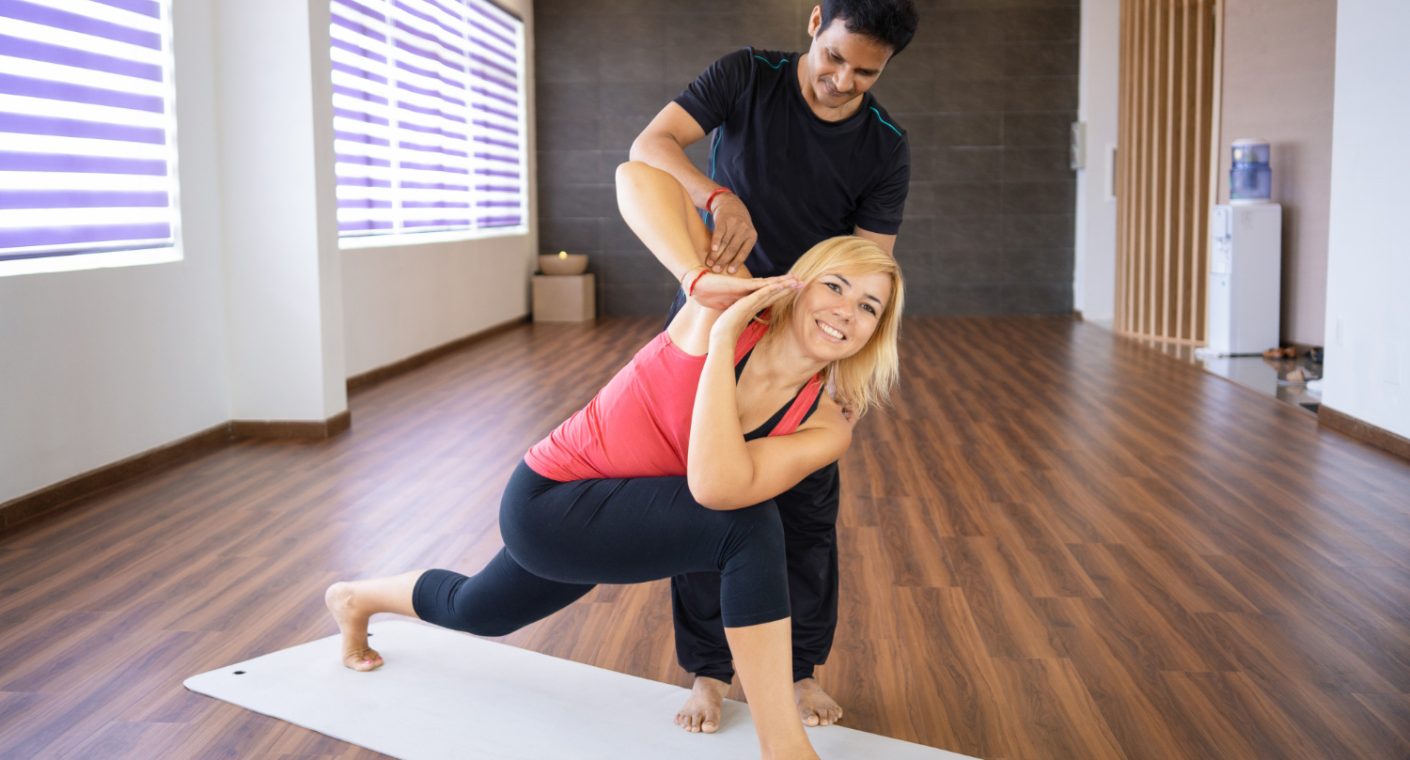
A coach can personalize the workout through exercise selection, weight choice, tempo, rest time, rep range, and difficulty level. Both people may do a pulling exercise, but one uses a resistance band while the other uses dumbbells or cables. Both people may do a lunge pattern, but one uses support and the other adds load. This keeps the session efficient while still respecting individual needs.
The Best Goals For Partner Training
This format can support many goals, including fat loss, strength, conditioning, mobility, posture, and general health. It is especially effective for people who want consistency and accountability because the shared appointment creates a strong routine. If your main challenge is showing up, this format can be a smart choice. It gives you a coach, a plan, and a partner who helps keep the habit alive.
This approach is also helpful for people who want fitness to feel social without joining a large class. Training with one partner gives you motivation while keeping the session focused and controlled. At Triat Fitness, Partner In-Home Training (2-on-1) can be a strong fit for couples, friends, and family members who want shared accountability without losing coaching quality.
Goals That Need Extra Customization
This format can still work for specific goals, but some situations may need extra customization. If one person has a major injury, a sport-specific goal, or very advanced strength targets, occasional 1-on-1 In-Home Personal Training may help refine technique and programming. Some clients combine shared sessions with private coaching so they get group motivation and individual attention when needed.
What Makes Partner Training Effective?
Partner training becomes effective when it is structured, coached, and realistic. The biggest mistake is treating it like a casual workout hangout where the plan changes every time. The best results come from repeating key movements, tracking progress, and making small improvements each week. With two people involved, structure matters even more because it keeps the session moving and ensures both people receive attention.
This format also works best when both people understand their roles. You are there to support each other, not compete in a way that causes poor form or frustration. Healthy encouragement is useful, but the coach should guide the pace and intensity. Here are the main ingredients that make the experience successful:
- A coach who can scale exercises for both people
- Clear goals for each person
- Consistent weekly session times
- Exercise progressions that match each person’s level
- Communication about injuries, soreness, and energy
- Supportive encouragement without comparison
- Progress tracking for strength, stamina, and consistency
- A shared commitment to showing up even on busy weeks
How Partner Training Compares To One-On-One And Small Group Training
This style sits between private coaching and group training. It is more personalized than a larger group because only two people share the coach’s attention. It is also usually more affordable than private coaching because the session cost is shared. For many people, this balance makes it easier to stay consistent. You get coaching, accountability, and value in one format.
This format is different from Small Group Personal Training because the session is built around two specific people. Small Group Personal Training is excellent for community energy and affordability, while two-person sessions are better for pairs who want a more personal shared experience. 1-on-1 In-Home Personal Training is best for maximum customization.
When To Choose Each Format
Choose partner training if you and another person want to train together, share accountability, and still receive coached attention. Choose 1-on-1 In-Home Personal Training if you need full personalization, privacy, or injury-specific modifications. Choose Small Group Personal Training if you want more community energy and a structured setting at a more accessible format. The right choice depends on your goals, personality, and schedule.
How To Avoid Sacrificing Results When Training Together
Training together should never mean one person gets a better workout while the other simply keeps up. To avoid sacrificing results, the coach must track progress for both people separately. This includes weights, reps, exercise variations, range of motion, and performance markers. If one person is ready to progress, they should progress. If the other person needs a modification, they should receive it. That is how both people get results.
This type of coaching works best when comparison stays healthy. You and your partner may progress at different speeds, and that is normal. The goal is not to be identical. The goal is to improve together while respecting each person’s body.
Use Personal Progress Markers
Each person should track their own wins. One partner might track heavier dumbbells on rows, while the other tracks improved squat depth. One person might track conditioning recovery, while the other tracks consistency. Personal markers keep the format fair and motivating because everyone has a clear way to see progress.
Nutrition, Hydration, And Recovery For Two People Training Together
This format is most effective when both people support their workouts outside the session. That does not mean eating the exact same meals or following the same routine. It means each person should build habits that support energy and recovery. Balanced meals, steady hydration, sleep, and daily movement all make workouts feel better and improve consistency. Canada’s Food Guide notes that water is the drink of choice for regular exercise and recommends drinking water before, during, and after physical activity.
This shared routine can also help with lifestyle habits because you have someone to check in with. You might remind each other to drink water, take a walk, or prepare for the next session. The key is to encourage each other without policing each other.
Recovery Needs May Be Different
Two people training together may need different recovery strategies. One person may need more rest between sessions, while the other can handle additional cardio or walking. One person may sleep well, while the other struggles with stress. A good coach considers recovery when planning sessions and helps each person adjust intensity so training stays sustainable.
How To Start Partner Training The Right Way
This process should start with an honest conversation between both people. Talk about your goals, schedules, comfort levels, and what kind of support you want from each other. Decide how many sessions per week you can realistically attend and what time works best. The strongest routines start with clear expectations. If one person wants intense training and the other wants a gentle restart, your coach needs to know that from the beginning.
This format should also start with a realistic first phase. Commit to four weeks first, not forever. Use that time to build consistency, learn form, and see how the schedule feels. After four weeks, you can adjust frequency, intensity, or goals. This keeps the process manageable and prevents early burnout.
What To Expect In The First Month
In the first month of shared coaching, expect to focus on movement quality, consistency, and learning how to work together. You may not lift maximum weights immediately, and that is a good thing. A strong foundation helps both people progress safely. By the end of the first month, you should understand the basic flow of sessions, feel more confident with key exercises, and have early progress to build on.
Why Choose Triat Fitness
Triat Fitness helps clients make partner training practical, structured, and results-focused. Our Partner In-Home Training (2-on-1) option is designed for two people who want to train together without losing personalization. We scale exercises, coach form, and track progress so both people improve at their own pace. Whether you are a couple, friends, siblings, or colleagues, Triat Fitness helps you build a shared routine that fits your schedule and goals.
Triat Fitness also offers flexible support if your needs change. You can combine partner sessions with 1-on-1 In-Home Personal Training for extra individual coaching or Small Group Personal Training for more community energy. The focus is always the same: safe movement, smart progression, accountability, and consistency.
Your Next Step With Triat Fitness
If you are interested in partner training, choose the person you want to train with and talk honestly about your goals. Then decide how many sessions per week you can commit to for the next four weeks. Triat Fitness can help you build a plan that fits both of you and makes the process simple to start.
Get Fit Together Without Losing Personal Progress
This training style can be one of the most effective ways to build consistency because it combines coaching, accountability, and shared motivation. It helps you show up more often, enjoy the process more, and stay committed through busy weeks. The key is making sure each person still gets personalized progressions and coaching so results are not sacrificed.
Triat Fitness helps clients use this format in a way that is structured, safe, and practical. Whether you choose Partner In-Home Training (2-on-1), combine it with 1-on-1 In-Home Personal Training, or add Small Group Personal Training for variety, the goal is the same: build fitness together while still progressing as individuals.
Frequently Asked Questions
- What is partner training?
Partner training is a coached fitness session where two people train together with one trainer while exercises are adjusted for each person’s level. - Is partner training good for beginners?
Yes, partner training can be great for beginners because it provides coaching, accountability, and a supportive person to train with. - Can partner training work if we have different fitness levels?
Yes, partner training works well with different fitness levels when the coach scales exercises, weights, reps, and progressions for each person. - How often should we do partner training?
Most people benefit from partner training two to three times per week, depending on goals, schedule, and recovery. - Does partner training help with weight loss?
Yes, partner training can support weight loss by improving consistency, strength training quality, and accountability. - What Triat Fitness service is best for partner training?
Partner In-Home Training (2-on-1) is the best fit for two people who want shared coaching, accountability, and personalized progressions. - Can we combine partner training with other Triat Fitness services?
Yes, you can combine partner training with 1-on-1 In-Home Personal Training or Small Group Personal Training for extra support and variety.