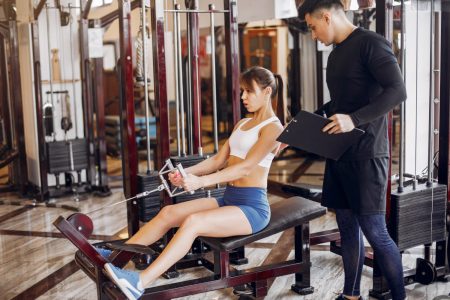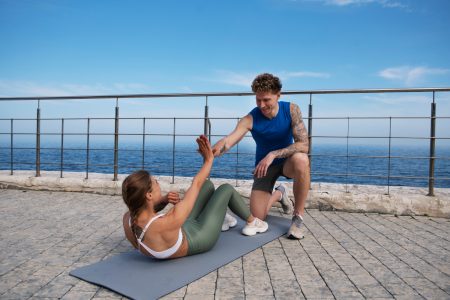

Starting your fitness journey can feel overwhelming, especially if you are unfamiliar with gym equipment or exercise routines. The good news is that you do not need advanced knowledge or years of experience to make progress. A structured workout plan, realistic expectations, and consistent effort are all you need to build confidence and improve your fitness over time. Working with a qualified personal fitness instructor can make the process even easier by providing professional guidance, proper exercise instruction, and a personalized plan designed around your goals.
Why Every Beginner Needs a Structured Gym Workout Plan
Walking into a gym without a plan often leads to confusion and inconsistent workouts. A structured routine helps you understand what exercises to perform, how often to train, and how to progress safely. It also ensures that every major muscle group receives adequate attention while reducing the risk of overtraining or injury. Following a clear plan allows beginners to develop confidence while creating habits that support long term fitness success.
Setting Realistic Fitness Goals From Day One
Before beginning your first workout, decide what you want to accomplish. Your goal may be improving overall fitness, building strength, increasing endurance, or supporting weight management. Setting realistic expectations helps you stay motivated and makes it easier to measure progress over time. Instead of focusing only on major outcomes, celebrate smaller improvements such as completing workouts consistently, increasing strength, or improving exercise technique.
Building Healthy Habits That Last
Consistency is one of the most important factors in achieving long term results. Creating a regular workout schedule, preparing for each session, and following a balanced routine help exercise become part of your lifestyle. Healthy habits developed early often lead to better long term progress than relying on short bursts of motivation.
What to Do Before Your First Gym Session
Preparing properly before your first visit helps you feel more confident and allows you to focus on learning rather than feeling overwhelmed. Arriving with a plan also helps you make better use of your workout time.
Understanding Basic Gym Etiquette and Safety
Learning basic gym etiquette creates a comfortable environment for everyone. Always wipe down equipment after use, return weights to their proper place, allow others to share equipment during busy hours, and respect personal space. Following these simple practices helps maintain a safe and welcoming training environment.
Preparing Your Body With Proper Warm-Ups
A proper warm up prepares your muscles and joints for exercise by increasing blood flow and improving mobility. Five to ten minutes of light cardio followed by dynamic stretches and mobility exercises can improve workout performance while reducing injury risk. Around this stage of your fitness journey, Triat Fitness encourages every beginner to prioritize proper warm ups because they improve movement quality and prepare the body for strength training safely.
Beginner Gym Workout Plan for Your First Few Weeks
The first few weeks should focus on learning proper exercise technique rather than lifting heavy weights. Full body workouts performed several times each week provide an excellent foundation for building strength and confidence.
Full-Body Exercises to Build Strength and Confidence
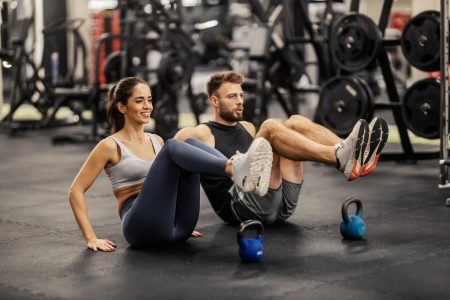
A beginner friendly workout may include exercises such as bodyweight squats, leg presses, seated rows, chest presses, dumbbell shoulder presses, assisted lat pulldowns, planks, and walking on a treadmill. These compound movements train multiple muscle groups while helping you become familiar with common gym equipment. Focus on controlled movements and proper form before increasing resistance.
How to Balance Strength Training, Cardio, and Recovery
An effective beginner routine includes a balance of resistance training, cardiovascular exercise, and recovery. Strength workouts help build muscle and improve overall fitness, while cardio supports heart health and endurance. Recovery days allow your muscles to repair and become stronger, making them an essential part of every training plan.
How to Use Common Gym Equipment Safely
Understanding how equipment works helps beginners train more effectively while reducing the likelihood of injury. Taking time to learn proper setup and adjustment improves both comfort and exercise performance.
Free Weights vs Resistance Machines
Resistance machines provide guided movement patterns, making them an excellent choice for beginners learning proper technique. Free weights require greater balance and coordination while engaging stabilizing muscles more effectively. Including both options in your routine provides balanced strength development as your confidence grows.
Adjusting Equipment for Proper Form and Comfort
Every machine should be adjusted to match your height and body proportions before use. Proper seat height, back support, and handle positioning improve exercise mechanics while helping target the intended muscles. Never hesitate to ask a trainer for assistance if you are unsure how to adjust equipment correctly.
Creating a Gym Schedule for Beginners
Consistency is far more important than training every day. A realistic schedule allows your body to recover while encouraging steady progress.
Choosing the Right Number of Weekly Workouts
Most beginners benefit from exercising three to four times each week. This schedule provides enough training stimulus to improve strength and fitness while allowing adequate recovery between sessions. Rest days should be viewed as part of your overall training plan rather than missed opportunities.
Knowing When to Increase Workout Intensity
Once exercises begin feeling easier and your technique remains consistent, you can gradually increase resistance, repetitions, or training volume. Small progressions help your body continue adapting without placing unnecessary stress on muscles and joints.
Common Beginner Mistakes That Slow Progress
Many beginners experience slower results because of avoidable mistakes. Identifying these habits early can improve both safety and long term success.
Poor Exercise Technique and Lifting Too Much Weight
Using excessive weight before mastering proper form is one of the most common beginner mistakes. Incorrect technique reduces exercise effectiveness while increasing injury risk. Focus on controlled movement and proper posture before attempting heavier loads.
Ignoring Recovery, Nutrition, and Consistency
Exercise alone cannot produce optimal results. Balanced nutrition, hydration, quality sleep, and regular recovery all play essential roles in supporting muscle growth and overall fitness. Consistency across all of these areas creates better long term progress than focusing on workouts alone.
Tracking Your Progress and Staying Motivated
Monitoring your progress helps maintain motivation while showing how your body is improving over time. Tracking both physical performance and consistency provides valuable feedback throughout your fitness journey.
Measuring Strength, Endurance, and Fitness Improvements
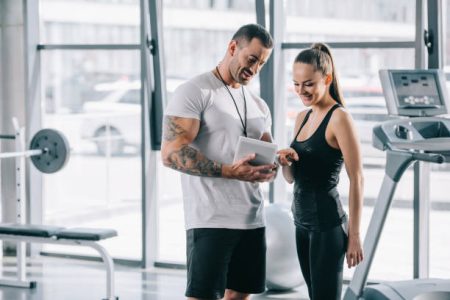
Recording workout details such as weights lifted, repetitions completed, workout duration, and cardiovascular performance makes it easier to identify improvements. Small increases in strength or endurance often indicate that your training program is working effectively.
Setting Short-Term Milestones to Stay Consistent
Breaking larger goals into smaller milestones makes progress feel more achievable. If you have been searching for a personal trainer at home to supplement your gym routine or receive additional one on one coaching, professional guidance can help you stay accountable while ensuring your workouts continue progressing safely.
Why Working With a Personal Fitness Instructor Makes a Difference
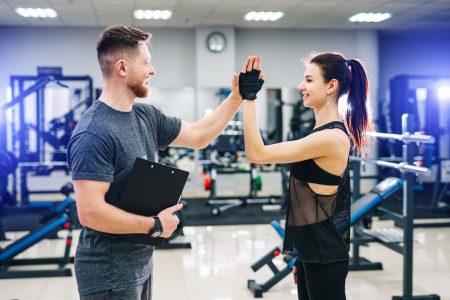
A qualified fitness professional provides much more than workout demonstrations. They evaluate your current fitness level, identify movement limitations, create personalized workout plans, and ensure every exercise is performed safely. Their expertise helps beginners develop confidence while avoiding many of the common mistakes that slow progress.
Learning Proper Form and Reducing Injury Risk
Correct exercise technique improves training efficiency while reducing unnecessary stress on muscles and joints. A personal instructor provides immediate feedback, helping you learn proper movement patterns from the beginning and reducing the likelihood of developing poor habits.
Personalized Coaching for Faster and Sustainable Results
Every individual has unique goals, physical abilities, and training preferences. Personalized coaching allows workouts to be adjusted as your strength and confidence improve, ensuring continued progress while maintaining safe training practices.
How Triat Fitness Helps Beginners Build Confidence
Triat Fitness specializes in helping individuals of all experience levels achieve their fitness goals through personalized coaching and evidence based training methods. Serving clients throughout the Greater Toronto Area, including Mississauga, Oakville, Burlington, Milton, and surrounding communities, their programs are designed to support beginners with structured guidance, professional instruction, and ongoing accountability.
Customized Fitness Programs for Every Experience Level
Each program begins with a comprehensive assessment that considers your current fitness level, movement quality, and long term objectives. This information allows trainers to create a personalized plan that supports safe and sustainable progress.
Expert Guidance, Accountability, and Long-Term Support
Regular coaching sessions, progress tracking, and continued program adjustments help clients remain motivated while building confidence with every workout. This personalized approach encourages steady improvement without unnecessary pressure or unrealistic expectations.
Conclusion
Beginning your fitness journey does not require advanced experience or complicated workout routines. With a structured plan, proper exercise technique, realistic goals, and consistent effort, you can safely build strength, improve endurance, and develop lasting healthy habits. Professional guidance can make the process even more effective by providing personalized coaching, accountability, and expert support every step of the way.
Ready to build confidence and achieve your fitness goals? Book Your Trainer and take the first step toward a healthier, stronger future.
FAQs
1. How many days a week should beginners go to the gym?
Most beginners achieve excellent results by training three to four times each week while allowing adequate recovery between workouts.
2. Should beginners focus on cardio or strength training?
A balanced program that combines strength training, cardiovascular exercise, and mobility work provides the best overall results.
3. How long should a beginner gym workout last?
Most beginner workouts last between 45 and 60 minutes, including warm ups and cool downs.
4. Is it better to use machines or free weights first?
Resistance machines are often easier for beginners because they provide guided movement patterns, while free weights can be introduced gradually as technique improves.
5. Why should beginners work with a personal trainer?
A personal trainer teaches proper exercise technique, creates customized workout plans, monitors progress, and helps reduce injury risk while improving long term results.