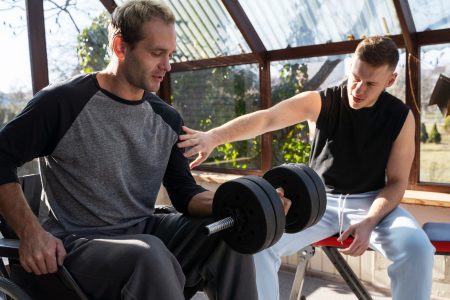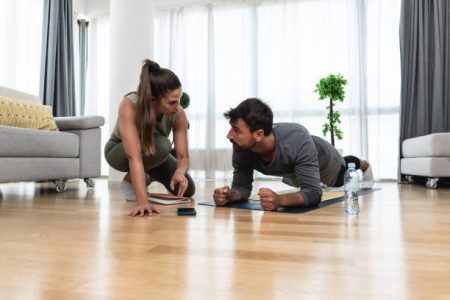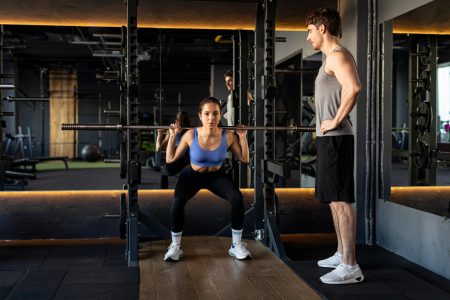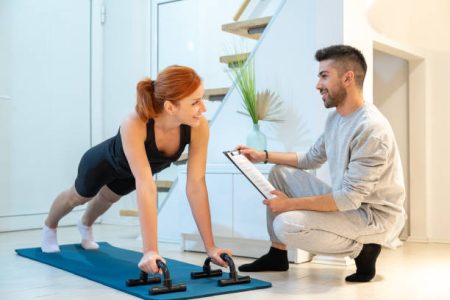
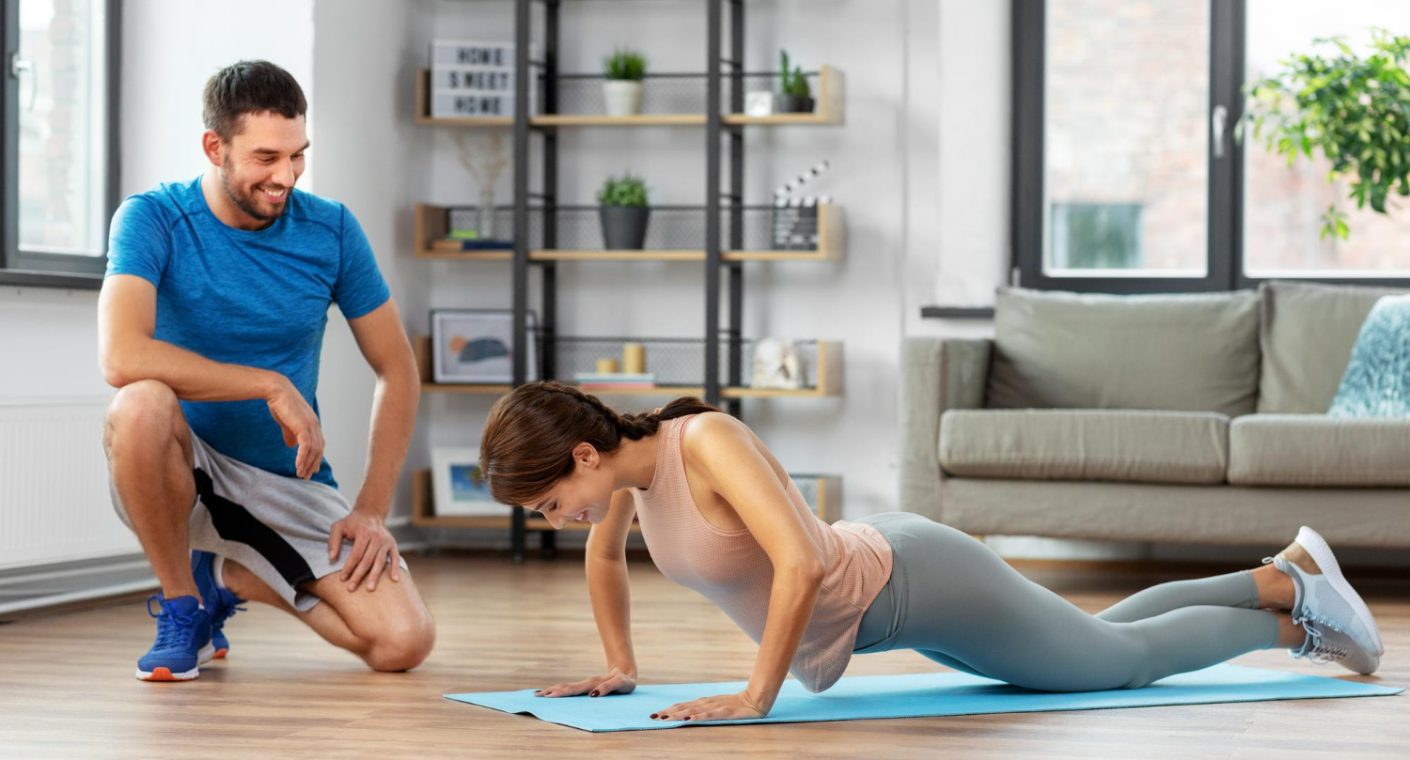
Busy professionals often know exactly why fitness matters, but finding time for it can feel impossible. Long workdays, meetings, commuting, family responsibilities, and unpredictable schedules can push workouts to the bottom of the list. That is why more people are choosing in-home personal training as a practical solution. Instead of trying to fit gym visits into an already full calendar, coaching comes directly to your home, condo gym, or private space.
At Triat Fitness, we work with professionals who want results without wasting time or relying on motivation alone. In-home personal training gives you structure, accountability, and expert coaching in a setting that fits your lifestyle. Whether your goal is fat loss, strength, better posture, improved energy, or simply building a routine that lasts, this approach removes common barriers and makes fitness easier to repeat week after week.
Why In-Home Personal Training Fits Busy Professional Life
In-home personal training works well for busy professionals because it reduces friction. You do not need to commute to a gym, find parking, wait for equipment, or adjust your schedule around class times. Your trainer meets you where you are, which makes the workout easier to start and easier to protect. For people who work long hours or manage unpredictable days, reducing friction can be the difference between consistency and another missed workout.
In-home personal training also creates a stronger sense of commitment. When a session is scheduled and your coach is coming to you, fitness becomes an appointment, not a vague intention. That accountability matters because many professionals are used to prioritizing meetings, deadlines, and clients ahead of personal health. A scheduled training session helps place your health on the calendar with the same seriousness as work obligations.
Convenience Is More Than A Luxury
In-home personal training is often described as convenient, but for busy people, convenience is not just a luxury. It is a strategy. When training is easier to access, you are more likely to do it consistently. Saving even 30 to 60 minutes of commute and transition time can make a major difference across the week.
Convenience also reduces mental load. You do not need to decide where to go, what equipment to use, or what workout to follow. Your trainer handles the plan, and you focus on showing up and doing the work.
Time Efficiency: Better Workouts Without Wasted Minutes
In-home personal training makes workouts more efficient because every session has a purpose. Instead of spending time searching for exercises or waiting for machines, you move through a structured plan built around your goals. A good trainer organizes the warm-up, strength work, conditioning, mobility, and cool-down so the session uses your time wisely. For busy professionals, that efficiency is one of the strongest reasons to choose in-home personal training.
In-home personal training also helps you avoid the common problem of “half workouts.” Many people start a home workout alone, get interrupted, check messages, or stop early. With a trainer present, the session stays focused. You get more from 45 minutes of coached training than from 90 minutes of distracted effort. That is why in-home personal training can be ideal for people who want strong results without adding more chaos to their schedule.
Why Shorter Sessions Can Still Work
In-home personal training does not need to be long to be effective. A focused 45-minute session can build strength, improve conditioning, and support fat loss when it is planned well. The key is exercise selection, rest timing, form coaching, and progression.
For busy professionals, shorter coached sessions are often easier to maintain than long gym routines. When sessions fit your schedule, consistency improves, and consistency creates results.
Accountability Helps Professionals Stay Consistent
In-home personal training provides accountability that many busy adults need. Motivation is not reliable after a long workday. Even highly disciplined professionals can struggle to exercise when they are mentally drained. A scheduled trainer changes the equation. Someone is showing up, the plan is ready, and your only job is to begin. This structure makes in-home personal training much easier to maintain than self-directed workouts.
In-home personal training also supports follow-through during stressful weeks. A coach can adjust the session if you are tired, sore, or short on time. Instead of skipping completely, you complete a lighter or shorter version and keep the habit alive. Canadian public health guidance encourages adults to be active regularly and add muscle-strengthening activities at least two days per week, and a scheduled coaching routine can help turn that guidance into consistent action.
Consistency Beats Intensity For Long-Term Results
In-home personal training works because it prioritizes consistent action over occasional intense effort. Many professionals try to make up for missed workouts with one exhausting session, then feel sore and skip again. That cycle rarely works.
A better approach is steady training that fits your life. When you train consistently, even with moderate sessions, progress compounds. Strength improves, energy increases, and workouts become part of your routine instead of a stressful extra task.
Customized Workouts For Your Body, Space, And Goals
In-home personal training is highly personalized because your trainer builds sessions around your body and your environment. If you have dumbbells, bands, a mat, or a condo gym, the plan uses those tools. If you have limited space, the trainer adjusts exercise choices. If you are dealing with tight hips from sitting, shoulder tension from desk work, or low energy from stress, the session can be adapted to meet you where you are.
In-home personal training also allows your coach to build a plan around your goals rather than forcing you into a generic routine. Fat loss, strength, posture, mobility, conditioning, and general health all require different programming decisions. A professional with a demanding schedule needs a plan that produces results without creating excessive soreness or fatigue. That is where custom coaching becomes valuable.
Training Around Desk Posture And Work Stress
In-home personal training can directly address common issues professionals face from long hours at a desk. A coach may include upper back strengthening, glute work, core stability, hip mobility, and posture-focused exercises. These movements can help counteract the effects of sitting and improve how your body feels during the workday.
Training can also become a stress release. A focused session gives your mind a break from work and helps you reconnect with your body. Over time, this can improve both physical confidence and daily energy.
Privacy And Comfort Make Training Less Intimidating
In-home personal training is a strong option for professionals who dislike crowded gyms or feel uncomfortable working out in public. Training in your own space makes it easier to ask questions, learn form, and build confidence without feeling watched. This is especially helpful for beginners or people returning after a long break.
In-home personal training also gives you more control over the environment. You can choose the music, temperature, space, and pace. That comfort can improve learning because you feel more relaxed and focused. For many clients, privacy removes the emotional barrier that kept them from starting sooner.
Confidence Builds Faster In A Private Setting
In-home personal training helps confidence grow because you get real-time feedback in a low-pressure environment. You can learn proper form, understand why exercises matter, and see progress without comparison. That confidence often carries into other parts of life, including better posture, better energy, and more willingness to stay active.
When confidence improves, consistency improves. That is one of the main reasons private home coaching can be so effective for busy professionals.
Why Busy Professionals Prefer Home-Based Coaching
In-home personal training is not just about saving time. It solves multiple problems at once, which is why busy professionals often prefer it over traditional gym routines. The benefits are practical, measurable, and easy to feel within the first few weeks. Once training becomes easier to start, it becomes easier to maintain.
In-home personal training also supports a better work-life balance. You do not have to choose between long gym trips and skipping fitness completely. You can build health into your week in a way that respects your time and responsibilities. Here are some of the most common reasons professionals choose it:
- No commute to the gym
- Sessions fit more easily around work schedules
- Workouts are customized to your goals and space
- Coaching keeps form safe and effective
- Accountability makes skipping less likely
- Private sessions reduce gym intimidation
- Shorter sessions can still be productive
- Progress is tracked so results stay measurable
- Training can support posture, strength, and stress relief
Better Energy And Productivity Through Consistent Movement
In-home personal training can support energy and productivity because regular movement affects how you feel throughout the day. Strength training, mobility, and conditioning can help reduce stiffness, improve circulation, and support better physical confidence. Many professionals notice that when they train consistently, they feel less sluggish and more capable of handling long workdays.
In-home personal training also supports hydration and recovery habits. Canada’s Food Guide explains that water is the drink of choice for regular exercise and recommends drinking water before, during, and after physical activity. These basics may seem simple, but they matter. When hydration, sleep, and movement improve, workouts feel better and consistency becomes easier.
Fitness As A Work Performance Tool
In-home personal training can be viewed as an investment in personal performance, not only appearance. Professionals often invest in tools, education, and systems that help them work better. Fitness is another system. A stronger, healthier body can improve focus, stress tolerance, and daily energy.
When your training is consistent and sustainable, it supports your career rather than competing with it.
How In-Home Training Supports Fat Loss And Strength Goals
In-home personal training can support fat loss by combining strength training, conditioning, and weekly movement goals. Many people think they need a full gym to lose fat, but the truth is that consistency and progressive training matter more than location. With the right plan, dumbbells, resistance bands, bodyweight movements, and simple conditioning tools can create effective workouts.
In-home personal training is also effective for building strength. Your trainer can progress reps, weight, tempo, range of motion, and exercise difficulty over time. If you have access to a condo gym, the plan can include additional equipment like benches, cables, treadmills, and machines. The key is progression. A trainer makes sure workouts do not stay the same forever.
Why Strength Training Matters For Professionals
In-home personal training should include strength work because strength protects your body from the demands of modern work life. Sitting for long periods, carrying bags, commuting, and stress can all affect posture and mobility. Strength training helps build resilience.
For professionals who want body composition changes, strength training is also essential. It helps build or maintain muscle, which supports a leaner and stronger look over time.
How Triat Fitness Makes In-Home Training Flexible
Triat Fitness offers coaching options that fit different schedules, goals, and comfort levels. 1-on-1 In-Home Personal Training is ideal for busy professionals who want private, customized coaching at home or in a condo gym. Partner In-Home Training (2-on-1) works well for couples, friends, or colleagues who want accountability and shared motivation. Small Group Personal Training is a great option for people who want structured coaching with more group energy and affordability.
In-home personal training with Triat Fitness is built around real-life consistency. Your coach can adjust the plan around travel, work stress, energy levels, and available equipment. Instead of forcing you into a rigid gym routine, Triat Fitness helps you build a training structure that fits your lifestyle and still produces measurable progress.
Choosing The Right Format For Your Schedule
In-home personal training is best if convenience, privacy, and customization are your top priorities. If you want to train with someone else, Partner In-Home Training (2-on-1) can make sessions more enjoyable and easier to maintain. If you want community and coaching at a more accessible format, Small Group Personal Training may be the right fit.
The best choice is the one you can repeat consistently. Triat Fitness helps clients choose based on their barriers, goals, and motivation style.
Why Choose Triat Fitness
Triat Fitness understands that busy professionals do not need more complicated fitness advice. They need a plan that fits their schedule, a coach who respects their time, and training that produces results without adding stress. In-home personal training with Triat Fitness is designed to remove common barriers like commuting, uncertainty, low accountability, and lack of structure. Every session is built around your goals, your space, and your starting point.
Triat Fitness also gives you flexible support through 1-on-1 In-Home Personal Training, Partner In-Home Training (2-on-1), and Small Group Personal Training. Whether you want private coaching, shared accountability, or group motivation, the goal is the same: help you train consistently, move better, and feel stronger. With the right plan, in-home personal training becomes more than a convenience. It becomes a realistic system for long-term health and performance.
Your Next Step With Triat Fitness
If you are a busy professional considering in-home personal training, start by identifying your biggest barrier. Is it time, travel, privacy, accountability, or not knowing what to do? Once you know the barrier, it becomes easier to choose the right training format.
Then commit to a short starter phase. Book sessions for the next four weeks, follow the plan, and track attendance. Once the routine is in place, fitness becomes easier to maintain.
In-Home Training Makes Fitness Fit Your Life
In-home personal training is becoming popular with busy professionals because it solves the real problems that make fitness inconsistent. It saves time, removes commuting, adds accountability, protects privacy, and creates a structured plan that fits your space and schedule. For professionals who want better health without wasting time, it is one of the most practical training options available.
Triat Fitness helps clients turn fitness from a good intention into a repeatable routine through 1-on-1 In-Home Personal Training, Partner In-Home Training (2-on-1), and Small Group Personal Training. If you are ready to stop restarting and start building consistency, in-home personal training can help you train smarter, feel stronger, and stay on track.
Frequently Asked Questions
- Why is in-home personal training popular with busy professionals?
In-home personal training saves commute time, adds accountability, and makes workouts easier to fit into a demanding schedule. - How often should busy professionals do in-home personal training?
Most busy professionals benefit from in-home personal training two to three times per week, plus walking or light movement on other days. - Can in-home personal training help with weight loss?
Yes, in-home personal training can support weight loss through strength training, conditioning, accountability, and consistent weekly movement. - Do I need equipment for in-home personal training?
No, in-home personal training can be done with bodyweight, dumbbells, bands, portable tools, or condo gym equipment. - Is in-home personal training good for beginners?
Yes, in-home personal training is excellent for beginners because it provides private coaching, form guidance, and safe progressions. - Which Triat Fitness service is best for in-home personal training?
1-on-1 In-Home Personal Training is ideal for private coaching, while Partner In-Home Training (2-on-1) adds shared accountability. - Can Small Group Personal Training work with a busy schedule too?
Yes, Small Group Personal Training can support busy professionals who want coached structure, accountability, and a more social training environment.