Choosing between online vs in-person personal training can feel confusing because both options can work when they are done well. Online coaching offers flexibility, convenience, and lower barriers for people with busy schedules. In-person coaching offers hands-on form feedback, real-time accountability, and a stronger training environment. The real question is not which option is universally better. The real question is which option fits your goals, experience level, schedule, and motivation style.
At Triat Fitness, we help clients choose training formats based on what will keep them consistent. Some people need the privacy and flexibility of online support, while others progress faster with a coach beside them during every session. Many clients also benefit from a hybrid approach that combines remote structure with in-person coaching. This guide breaks down online vs in-person personal training so you can decide which path will help you get better results.
Why Online Vs In-Person Personal Training Is Not A One-Size-Fits-All Decision
Online vs in-person personal training depends on how much support you need during the actual workout. If you are experienced, comfortable with exercise form, and disciplined with your schedule, online coaching may give you enough structure to make progress. If you are new to fitness, unsure about technique, or inconsistent on your own, in-person coaching may be the better choice because the trainer can correct you in real time and keep the session focused.
Online vs in-person personal training also depends on your environment. Some people have a well-equipped home gym and can follow programs confidently. Others have limited equipment, limited space, or too many distractions at home. A training plan is only effective if you can actually follow it. That is why the best format is the one that reduces your biggest barrier, whether that barrier is time, form, accountability, confidence, or access to equipment.
The Best Results Come From The Best Fit
Online vs in-person personal training should be evaluated by consistency first. A technically perfect plan that you do not follow will not work. A simple plan that you repeat weekly can change your body, fitness, and confidence. If online coaching helps you train regularly, it can work well. If in-person sessions help you show up, learn proper movement, and push safely, they may deliver better results for you.
What Online Personal Training Does Well
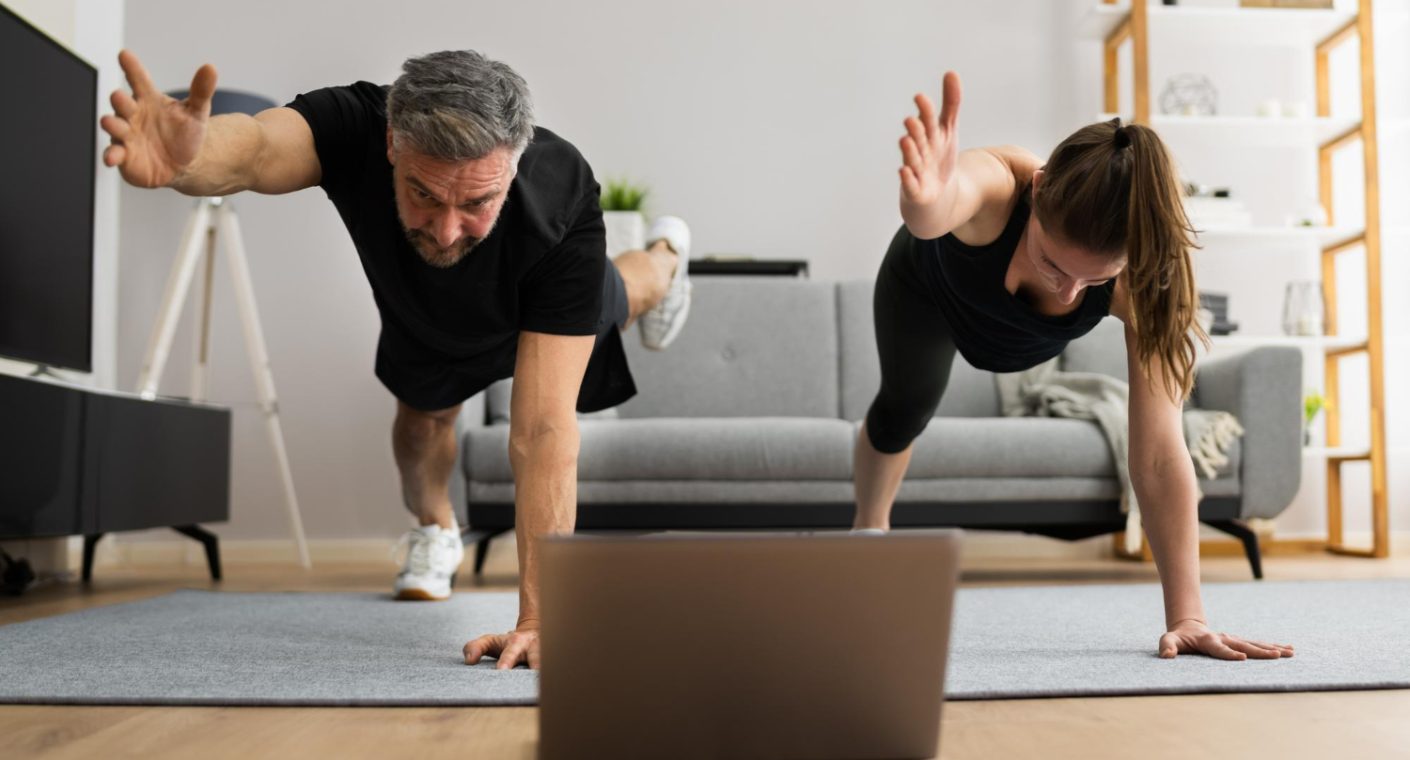
Online vs in-person personal training often starts with convenience. Online coaching allows you to train from home, while travelling, or at your own gym without needing to match a trainer’s exact location. This can be valuable for busy professionals, parents, shift workers, or people who have unpredictable schedules. Online coaching can also be helpful if you already understand basic exercises and mainly need a structured plan, progress tracking, and periodic feedback.
Online vs in-person personal training also gives clients flexibility with cost and scheduling. Many online programs provide workouts, video demonstrations, check-ins, and accountability through apps or messaging. If you are self-motivated and honest with your effort, this can be a practical way to stay on track. It is especially useful when your main challenge is planning, not form correction. In that case, online support can remove guesswork and keep your weekly training organized.
Who Gets The Best Results From Online Coaching
Online vs in-person personal training leans toward online if you are independent, experienced, and comfortable training without someone physically present. Online coaching works best for people who can watch demonstrations, apply cues, record their form when needed, and follow a plan consistently. It can also work well for people who travel often and need a program that moves with them. The more self-directed you are, the more effective online coaching can be.
What In-Person Personal Training Does Well
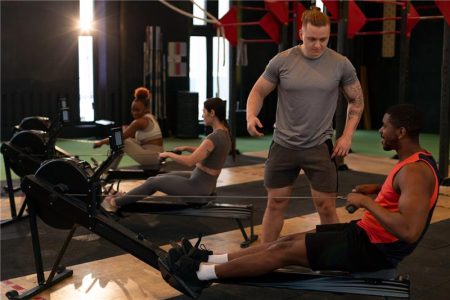
Online vs in-person personal training leans toward in-person coaching when you need real-time feedback. A coach can see how you move, correct your posture, adjust the weight, change the exercise, and manage your pace immediately. This matters because small form mistakes can reduce results and increase discomfort over time. In-person training is especially helpful for beginners, people returning after a long break, and clients who want confidence with strength training.
Online vs in-person personal training also differs in accountability. When a trainer is physically with you, it is much harder to skip reps, cut the session short, or train with low focus. The session has structure from start to finish. You warm up, train, recover, and progress with a coach guiding the entire process. Canadian public health guidance encourages adults to be active regularly and include muscle-strengthening activities as part of a healthy routine, and in-person coaching can help turn that guidance into a repeatable weekly structure.
Who Gets The Best Results From In-Person Coaching
Online vs in-person personal training leans toward in-person if you are a beginner, feel nervous about form, struggle with consistency, or need accountability to follow through. In-person sessions are also ideal if you have specific limitations, need exercise modifications, or want a coach to build confidence step by step. When the coach can watch and adjust every rep, the learning curve becomes shorter and safer.
Which Gets Better Results For Strength, Weight Loss, And Confidence?
Online vs in-person personal training for strength usually depends on technique and progression. If you know how to lift safely and can train hard on your own, online programming can support strength gains. If you are still learning movement patterns, in-person coaching often works better because proper form is easier to teach live. Strength progress depends on safe progression, and a trainer beside you can help choose the right weight, rep range, and exercise variation.
Online vs in-person personal training for weight loss depends heavily on consistency. Weight loss is not only about the workout style. It is about weekly activity, strength training, nutrition habits, recovery, and accountability. Online training can help if you are consistent with check-ins and follow the plan. In-person training can help if you need scheduled sessions and real-time motivation. For confidence, in-person coaching often has an advantage because beginners can ask questions and receive immediate reassurance.
Why Confidence Can Change Your Results
Online vs in-person personal training is not only physical. Confidence matters because confident people train more consistently and push with better effort. If you feel unsure during every exercise, you may hold back or quit early. In-person coaching builds confidence through live feedback. Online coaching can also build confidence, but it usually requires more independence and self-awareness.
How To Choose The Right Format For Your Lifestyle
Online vs in-person personal training should start with your schedule. If you travel frequently or need flexible workout times, online coaching may be easier to maintain. If your schedule is busy but predictable, scheduled in-person sessions can protect your training time. If you keep cancelling workouts because no one is expecting you, in-person coaching may be the better investment. If you already train regularly but need direction, online coaching may be enough.
Online vs in-person personal training should also consider your home environment. If your home is full of distractions, online workouts may be difficult to complete. If you have a condo gym or a quiet training space, online or in-person coaching can both work. For many Toronto clients, in-person support through 1-on-1 In-Home Personal Training or Partner In-Home Training (2-on-1) gives the convenience of home with the accountability of live coaching.
Identify Your Biggest Barrier First
Online vs in-person personal training becomes easier to decide when you identify what usually stops you. If your barrier is not knowing what to do, online coaching may solve the problem. If your barrier is poor form, low confidence, or skipping sessions, in-person coaching may solve it faster. If your barrier is time, home-based in-person training may give you the best of both worlds.
Quick Comparison To Help You Decide
Online vs in-person personal training is easier to understand when you compare the practical differences. Both options can be effective, but they support different needs. Online training gives more flexibility and independence. In-person training gives more direct coaching and accountability. The better option is the one that helps you train consistently and safely over the next 8 to 12 weeks.
Online vs in-person personal training can also change over time. You might start with in-person coaching to learn form, then transition to online support once you feel confident. Or you might use online coaching during travel and return to in-person sessions when your schedule allows. Here is a quick comparison:
- Choose online coaching if you need maximum schedule flexibility
- Choose online coaching if you already know basic exercise form
- Choose online coaching if you travel often or train in different locations
- Choose in-person coaching if you need real-time form correction
- Choose in-person coaching if accountability is your biggest challenge
- Choose in-person coaching if you are new to strength training
- Choose a hybrid approach if you want flexibility plus live coaching
- Choose the format you can repeat consistently for at least 8 weeks
How A Hybrid Approach Can Offer The Best Of Both Worlds
Online vs in-person personal training does not always need to be an either-or choice. A hybrid model can work extremely well because you get live coaching for technique and accountability, plus online support for workouts between sessions. For example, you might meet a trainer in person once or twice per week, then complete one independent workout using an online plan. This gives you structure without requiring a trainer beside you every day.
Online vs in-person personal training also works well as a progression path. Beginners may start with in-person sessions to learn form and build confidence. Once they understand the basics, they can add online workouts or app-based tracking. This approach helps clients become more independent while still receiving expert guidance. For busy people, hybrid coaching can be practical, flexible, and results-focused.
When Hybrid Training Makes The Most Sense
Online vs in-person personal training becomes hybrid-friendly when your goals require both flexibility and coaching. If you want personalized form correction but cannot schedule multiple live sessions every week, hybrid support is a smart solution. If you travel often but still want a trainer to monitor progress, hybrid support can keep your plan consistent. It also works well for clients who want accountability without giving up independence.
How Nutrition, Hydration, And Recovery Fit Into Both Options
Online vs in-person personal training results depend on what happens outside the workout too. Your sleep, hydration, food habits, and daily movement all affect energy, recovery, and progress. A trainer can help guide these habits whether coaching happens online or in person. The main difference is how often feedback happens and how closely your trainer can observe your performance during sessions.
Online vs in-person personal training should include basic recovery habits like drinking water, getting enough sleep, and managing intensity. Canada’s Food Guide explains that water is the drink of choice for regular exercise and recommends drinking water before, during, and after physical activity. Whether your coaching is online or in person, these basics support better performance and consistency.
Why Recovery Can Decide Your Results
Online vs in-person personal training will not work well if recovery is ignored. If you are constantly sore, tired, or stressed, workouts become harder to complete. A good coach can adjust volume and intensity so your plan stays realistic. In-person coaching may catch fatigue faster during live sessions, while online coaching may rely more on check-ins and honest feedback from you.
How Triat Fitness Helps You Choose The Right Training Style
Online vs in-person personal training becomes simpler when you have guidance from a coach who understands real-life barriers. Triat Fitness helps clients choose the right format based on goals, confidence, schedule, and environment. If you need hands-on coaching and privacy, 1-on-1 In-Home Personal Training may be ideal. If you want shared accountability, Partner In-Home Training (2-on-1) can make sessions more consistent and enjoyable. If you want a structured, social format, Small Group Personal Training can provide coaching and group energy.
Online vs in-person personal training can also be adjusted as your needs change. A client may begin with 1-on-1 coaching, move into Small Group Personal Training for accountability and energy, or use partner sessions when they want shared motivation. Triat Fitness focuses on building a training routine that fits your lifestyle so your results are not dependent on motivation alone.
The Best Format Is The One You Can Follow
Online vs in-person personal training should always come back to consistency. If you follow the plan, progress happens. If you do not follow it, even the best format will not matter. Triat Fitness helps clients choose the training structure they can maintain, then builds progression from there. That is how fitness becomes realistic instead of overwhelming.
Why Choose Triat Fitness
Triat Fitness understands that online vs in-person personal training is not a simple question with one answer for everyone. Some clients need real-time feedback and accountability. Others need flexible support and independent workouts. Many need a blend of both. Triat Fitness helps clients make the right choice by focusing on goals, barriers, schedule, and comfort level rather than forcing one method.
Triat Fitness also offers flexible service options that support different needs, including 1-on-1 In-Home Personal Training, Partner In-Home Training (2-on-1), and Small Group Personal Training. The focus is always on safe movement, clear programming, and sustainable consistency. When your training format fits your life, online vs in-person personal training becomes less confusing, and progress becomes easier to maintain.
Your Next Step With Triat Fitness
Online vs in-person personal training starts with one honest question: what do you need most to stay consistent? If you need flexibility, online or hybrid support may help. If you need form correction and accountability, in-person coaching may be the better fit. If you need both, a blended approach may be ideal.
Triat Fitness can help you choose the right starting point and build a routine that matches your goals. Once your plan fits your life, staying consistent becomes much easier.
Better Results Come From The Right Support
Online vs in-person personal training can both produce excellent results when the plan is structured and followed consistently. Online training is best for flexibility, independence, and convenience. In-person training is best for live form correction, accountability, confidence, and hands-on coaching. The best choice depends on your experience, schedule, goals, and barriers.
If you want help choosing the right option, Triat Fitness can guide you toward the service format that fits your lifestyle. Whether you choose 1-on-1 In-Home Personal Training, Partner In-Home Training (2-on-1), Small Group Personal Training, or a hybrid approach, the goal is the same: consistent training, better movement, and measurable results you can maintain.
Frequently Asked Questions
- Is online vs in-person personal training better for beginners?
For most beginners, in-person coaching is better at first because it provides real-time form correction and confidence-building support. - Can online vs in-person personal training both help with weight loss?
Yes, both can support weight loss when the plan includes strength training, activity, recovery, and accountability. - Which option is more flexible in online vs in-person personal training?
Online coaching is usually more flexible because you can train on your own schedule and in different locations. - Which option gives more accountability in online vs in-person personal training?
In-person coaching usually gives stronger accountability because the trainer is physically present and sessions are scheduled. - Can I combine online vs in-person personal training?
Yes, a hybrid approach can combine live coaching with online workouts between sessions for flexibility and structure. - What Triat Fitness service is best for in-person support?
1-on-1 In-Home Personal Training is ideal for private coaching, while Partner In-Home Training (2-on-1) adds shared accountability. - Is Small Group Personal Training part of online vs in-person personal training options?
Small Group Personal Training is an in-person style option that adds coaching, structure, accountability, and group motivation.