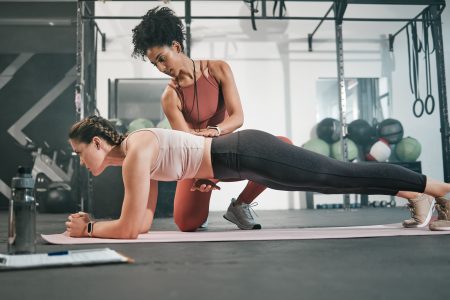

Building an effective workout routine at home is one of the most convenient ways to improve your health, increase strength, and stay consistent with your fitness goals. You do not need a fully equipped gym to make progress. What matters most is having a structured plan that matches your fitness level and lifestyle. If you want expert guidance from the beginning, working with a personal trainer at home can help you train safely, stay motivated, and achieve better results through a personalized fitness program.
Why a Structured Home Workout Plan Delivers Better Results
Following a structured workout plan is far more effective than exercising randomly. A well organized routine ensures every workout has a purpose, helping you improve strength, endurance, mobility, and overall fitness without wasting time. It also makes it easier to stay consistent because you know exactly what exercises to perform each day. As your body adapts, your routine can gradually evolve to keep delivering results while reducing the risk of overtraining or injury.
Setting Clear Fitness Goals Before You Start
Every successful fitness journey begins with a clear objective. Your goal may be to lose weight, build muscle, improve endurance, increase flexibility, or simply maintain an active lifestyle. Defining your priorities allows you to choose exercises that support those outcomes while keeping your workouts focused. Breaking larger goals into smaller milestones also helps you monitor progress and stay motivated throughout the process.
Matching Your Routine to Your Current Fitness Level
An effective workout plan should always reflect your current abilities. Beginners benefit from mastering movement patterns before increasing intensity, while experienced individuals can safely incorporate more challenging exercises. Choosing an appropriate starting point reduces frustration, improves technique, and creates a strong foundation for long term progress.
Build Your Home Workout Around Your Lifestyle
One of the greatest advantages of home workouts is flexibility. Instead of adjusting your schedule around gym hours, you can design a routine that fits naturally into your daily life. Whether you prefer exercising in the morning, during lunch breaks, or in the evening, consistency becomes much easier when your workouts fit your routine.
Choosing a Realistic Weekly Workout Schedule
A sustainable schedule is more effective than an overly ambitious one. Most people achieve excellent results by training three to five days each week while allowing adequate time for recovery. Depending on your goals, you can alternate strength training, cardiovascular exercise, mobility work, and recovery sessions to create a balanced weekly plan.
Creating a Dedicated Workout Space at Home
Having a designated workout area helps reduce distractions and encourages consistency. Your workout space does not need to be large or filled with expensive equipment. A clean, comfortable area with enough room to move safely is often all you need. Around this stage of your fitness journey, Triat Fitness encourages creating a distraction free training environment because it helps improve focus, exercise quality, and long term adherence to your fitness routine.
Essential Components of the Best Workouts for Home
A complete home workout routine should include several forms of exercise rather than focusing on only one area of fitness. Combining strength, cardiovascular activity, mobility, and recovery helps create balanced physical development while reducing the likelihood of muscular imbalances.
Strength Training, Cardio, and Mobility Exercises
Strength training builds muscle, improves bone health, and increases functional fitness using bodyweight movements, resistance bands, or dumbbells. Cardio exercises improve heart health, endurance, and calorie expenditure, while mobility work enhances flexibility and supports healthier movement patterns. Including all three components throughout the week creates a balanced routine that benefits overall health.
The Importance of Warm-Ups and Cool-Downs
Every workout should begin with a proper warm up and end with a cool down. Dynamic movements performed before exercise prepare the muscles and joints for activity, while post workout stretching supports recovery and helps reduce muscle stiffness. Taking a few extra minutes before and after each session can significantly improve workout quality and reduce injury risk.
Easy Workout at Home Ideas for Beginners
Starting with simple exercises allows beginners to develop confidence while learning proper movement techniques. Consistency and good form are much more important than performing difficult exercises during the early stages of training.
Full-Body Bodyweight Exercises to Build Confidence
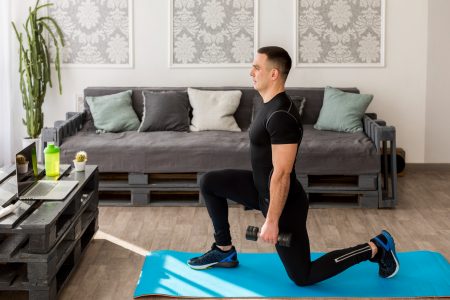
Bodyweight exercises provide an excellent foundation for beginners because they require little or no equipment while improving strength and coordination. Movements such as squats, modified push ups, lunges, glute bridges, planks, and step ups engage multiple muscle groups and prepare the body for more advanced training in the future.
Simple Progressions to Increase Intensity Over Time
As your fitness improves, gradually increase the challenge by adding repetitions, additional sets, slower movement tempo, or light resistance. Small, consistent progressions help your body adapt safely while preventing performance plateaus. Progress should always feel manageable rather than overwhelming.
Suggested CTA Button: Start Training at Home
How to Keep Your Home Workouts Effective
Maintaining progress requires more than simply repeating the same exercises every week. Your body adapts over time, making gradual adjustments essential for continued improvement.
Applying Progressive Overload Without a Gym
Progressive overload means gradually increasing the demands placed on your muscles. This can be achieved by increasing repetitions, extending workout duration, adding resistance bands or dumbbells, reducing rest periods, or selecting more challenging exercise variations. These adjustments help stimulate continued strength and fitness gains even without access to gym equipment.
Tracking Performance and Measuring Results
Monitoring your progress allows you to identify improvements and make informed adjustments to your training plan. Recording completed workouts, exercise repetitions, strength gains, and mobility improvements provides valuable feedback that keeps you motivated while ensuring your routine remains effective.
Common Home Workout Mistakes to Avoid
Many people unknowingly limit their progress by making avoidable training mistakes. Identifying these habits early helps improve results while reducing the risk of setbacks.
Poor Exercise Technique and Inconsistent Training
Proper technique should always take priority over speed or intensity. Performing exercises with incorrect form may reduce effectiveness while increasing the risk of injury. Likewise, inconsistent training often prevents meaningful progress because the body requires regular stimulus to adapt and improve.
Skipping Recovery, Nutrition, and Rest Days
Recovery is an essential part of every successful fitness program. Muscles become stronger during recovery periods, not while exercising. Supporting your workouts with balanced nutrition, adequate hydration, quality sleep, and scheduled rest days allows your body to recover efficiently and continue progressing.
Staying Motivated With a Long-Term Fitness Routine
Long term fitness success depends on building habits that are realistic and sustainable. Motivation naturally changes over time, but consistent routines help maintain progress even during busy periods.
Building Habits That Support Consistency
Scheduling workouts in advance, preparing your equipment beforehand, and treating exercise as an important appointment can significantly improve consistency. Small daily habits often lead to greater long term success than relying solely on motivation.
Adjusting Your Routine as Your Goals Evolve
As your strength and fitness improve, your workout plan should evolve as well. If you have searched for a personal workout trainer near me, working with a qualified professional can help ensure your program continues challenging you appropriately while adapting to new goals, improved fitness levels, and changing lifestyle needs.
Suggested CTA Button: Speak With A Trainer
Why Working With a Personal Trainer at Home Makes a Difference
Professional coaching provides personalized guidance that is difficult to achieve with generic online workout plans. A qualified trainer evaluates your fitness level, movement quality, and personal goals before creating a customized program that supports safe and steady progress. Regular feedback also helps improve exercise technique, reduce injury risk, and maintain accountability.
Customized Workout Plans Based on Your Goals
Every individual has different fitness objectives, experience levels, and physical abilities. Personalized workout plans ensure that every exercise contributes to your goals while progressing at a pace that matches your current fitness level.
Professional Coaching, Accountability, and Injury Prevention
Working with a trainer provides ongoing motivation, regular progress assessments, exercise modifications, and professional supervision. This structured support helps improve confidence while encouraging long term consistency and safer training practices.
How Triat Fitness Helps You Achieve Results at Home
Triat Fitness provides personalized in home personal training throughout the Greater Toronto Area, including Mississauga, Oakville, Burlington, Milton, and surrounding communities. Their certified trainers create customized workout programs that fit your schedule, current fitness level, and long term objectives. Every program focuses on sustainable progress through proper exercise selection, professional coaching, and consistent support.
Flexible In-Home Personal Training Across the GTA
With flexible scheduling and one on one coaching, clients can train comfortably in their own homes while receiving the same professional attention often associated with private fitness studios. This convenient approach removes many common barriers to maintaining a consistent workout routine.
Personalized Programs Designed for Sustainable Progress
Programs are regularly updated based on your progress, ensuring continued improvement while minimizing unnecessary plateaus. Whether your goal is improving strength, weight management, mobility, or overall fitness, every workout is designed to help you move closer to your objectives safely and efficiently.
Conclusion
Creating an effective at home workout routine begins with setting clear goals, following a structured plan, and remaining consistent over time. By combining strength training, cardio, mobility exercises, proper recovery, and gradual progression, you can achieve meaningful fitness improvements without needing a gym membership. Professional guidance can make the process even more effective by providing personalized coaching, accountability, and expert support tailored to your needs.
Ready to achieve your fitness goals from home? Book Your Trainer and start your personalized fitness journey today.
FAQs
1. What is the best weekly schedule for home workouts?
Training three to five days per week with a combination of strength, cardio, mobility, and recovery sessions provides balanced and sustainable results.
2. Can I build muscle with home workouts?
Yes. Bodyweight exercises and resistance equipment can effectively build strength and muscle when combined with progressive overload and proper nutrition.
3. How long should an at home workout last?
Most effective home workouts range between 30 and 60 minutes, depending on your fitness level and training goals.
4. Why should I work with a personal trainer at home?
A personal trainer provides customized workout plans, improves exercise technique, tracks progress, and helps you stay accountable while reducing injury risk.
5. Do I need expensive equipment to get results at home?
No. Many highly effective workouts use bodyweight exercises or minimal equipment, making it possible to improve fitness without investing in a complete home gym.