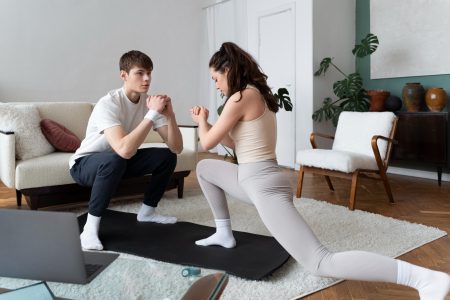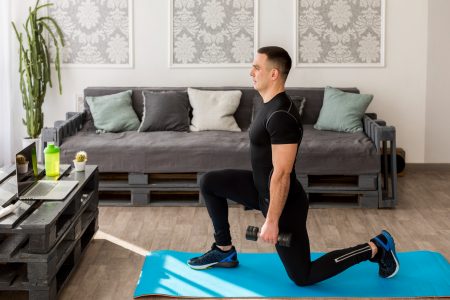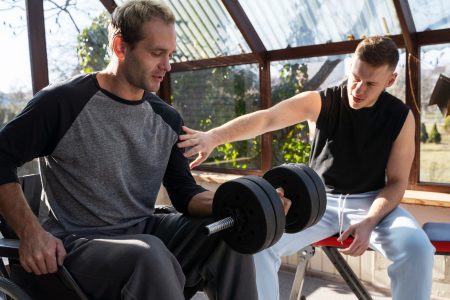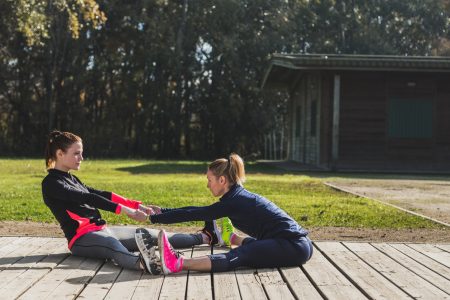
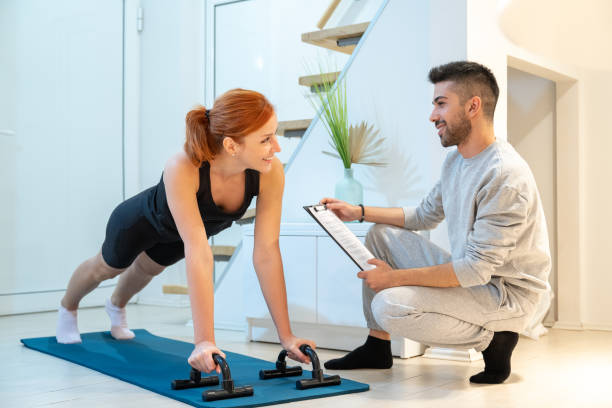
Improving flexibility is one of the most effective ways to support better movement, reduce stiffness, and maintain long term physical health. Whether you are new to exercise or already active, adding flexibility training to your routine can improve mobility, posture, and overall performance. If you want expert guidance and a program designed specifically for your needs, working with a fitness trainer at home can help you build safe habits, stay consistent, and achieve better results without leaving your home.
Why Flexibility Training Is Essential for Overall Health
Flexibility plays an important role in keeping your muscles and joints moving efficiently. When your body has an adequate range of motion, everyday activities become easier and workouts feel more comfortable. Regular stretching also helps reduce muscle tightness that can develop from sitting for long hours or repeating the same movements throughout the day. Over time, better flexibility supports improved posture, balance, coordination, and movement quality, making it an important part of a well rounded fitness routine.
The Connection Between Flexibility, Mobility, and Daily Movement
Although flexibility and mobility are often used together, they serve different purposes. Flexibility refers to the ability of muscles to lengthen, while mobility focuses on how well your joints move through their full range of motion with control. Improving both allows your body to move more naturally, making daily tasks and exercise easier while reducing unnecessary strain on muscles and joints.
How Consistent Stretching Supports Long Term Physical Performance
Lasting flexibility is built through consistency rather than intensity. Stretching several times each week helps improve movement quality, supports muscle recovery, and gradually increases your range of motion. These steady improvements can also contribute to better workout performance and make physical activity feel more comfortable over time.
Assess Your Current Flexibility Before You Begin
Before starting any flexibility routine, it is helpful to understand your current level of mobility. Every person has different strengths and limitations based on their lifestyle, activity level, and previous training experience. Identifying these areas allows you to focus on exercises that provide the greatest benefit while reducing the risk of overtraining.
Simple Ways to Identify Tight Muscle Groups
Pay attention to movements that feel restricted or uncomfortable during everyday activities. Common areas of tightness include the hips, hamstrings, calves, shoulders, chest, and lower back. If one side of your body feels noticeably tighter than the other, you may benefit from spending extra time improving mobility in that area.
Setting Realistic Flexibility Goals for Your Fitness Level
Improving flexibility is a gradual process, so realistic goals are essential. Rather than aiming for advanced stretches immediately, focus on improving your range of motion, reducing stiffness, and moving more comfortably. Around this stage of your journey, Triat Fitness recommends personalized flexibility programs because every individual progresses at a different pace. Their experienced trainers create customized plans based on your current mobility, helping you improve safely while staying motivated.
Suggested CTA Button: Book Your Free Assessment
Best Exercises for Flexibility at Home
A complete flexibility routine should target the major muscle groups while encouraging slow, controlled movement. The goal is to improve mobility without forcing your body into uncomfortable positions.
Beginner-Friendly Stretches for Full Body Mobility
Beginners should start with gentle stretches such as Child’s Pose, Cat Cow Stretch, Standing Hamstring Stretch, Hip Flexor Stretch, and Seated Butterfly Stretch. Performing these movements with controlled breathing helps relax tight muscles while gradually improving flexibility. Holding each stretch for 20 to 30 seconds allows the muscles to lengthen without creating unnecessary tension.
Intermediate and Advanced Flexibility Exercises to Build Range of Motion
As your flexibility improves, you can introduce exercises such as Pigeon Pose, World’s Greatest Stretch, Deep Lunge Stretch, Thoracic Rotations, and Dynamic Hip Openers. These movements challenge your mobility while improving stability and control. Progressing slowly is important because forcing deeper stretches too quickly may increase the risk of injury.
Suggested CTA Button: Start Training at Home
How to Become Really Flexible Safely
Many people wonder how to become really flexible, but achieving lasting results requires patience and proper technique. Your muscles need time to adapt, and gradual progression is much more effective than aggressive stretching.
Progressive Stretching Techniques That Deliver Results
The best approach is to stretch consistently while increasing your range of motion little by little. Combining flexibility exercises with strength training also helps support healthy joint function and improves movement control. Controlled breathing during every stretch allows your muscles to relax, making each session more effective.
Common Mistakes That Slow Down Flexibility Progress
One of the biggest mistakes is skipping a proper warm up before stretching. Cold muscles are less responsive and more prone to strain. Other common errors include holding your breath, rushing through stretches, bouncing instead of moving smoothly, and expecting immediate results. Staying consistent with good technique produces better long term improvements.
Creating an Effective At Home Flexibility Routine
A structured routine makes it easier to build flexibility into your weekly schedule. Rather than stretching only when you feel tight, set aside dedicated time each week for mobility work. Even sessions lasting 15 to 20 minutes can produce meaningful improvements when performed regularly.
How Often You Should Stretch for Lasting Improvements
Most people benefit from stretching three to five times each week. This frequency gives your muscles enough time to recover while encouraging gradual improvements in flexibility. Regular practice also helps maintain the progress you have already achieved.
Balancing Dynamic and Static Stretching Throughout the Week
Dynamic stretching works best before exercise because it prepares the body for movement, while static stretching is more suitable after workouts or on recovery days. Including both styles throughout the week creates a balanced routine that supports performance, recovery, and mobility.
Preventing Injuries While Training at Home
Flexibility training should always feel controlled and comfortable. Preparing your body before stretching and recognizing your physical limits are essential for preventing injuries.
Proper Warm Ups Before Flexibility Exercises
Spend five to ten minutes performing light movement before beginning your stretches. Walking in place, bodyweight squats, arm circles, and hip rotations help increase circulation and prepare the muscles for deeper movement. Warm muscles respond better to stretching and reduce the likelihood of discomfort.
Recognizing the Difference Between Stretching and Pain
A proper stretch creates gentle tension without causing sharp pain. If you experience sudden discomfort, numbness, or joint pain, stop immediately and reassess your technique. Listening to your body is one of the most effective ways to train safely.
Why Technique Matters More Than Intensity
Many people believe stretching harder leads to faster results, but proper technique always produces better long term progress. Maintaining good posture, controlled breathing, and smooth movement allows your muscles to adapt safely while improving flexibility over time.
Improving Stretching Form for Better Results
Maintaining correct body alignment throughout every stretch helps target the intended muscles while reducing unnecessary strain. Controlled movement also improves balance and coordination, making each session more productive.
How Incorrect Technique Can Increase Injury Risk
Poor stretching form may place excessive pressure on joints and connective tissues. If you have searched for a personal fitness trainer near me, professional coaching can help correct movement patterns, improve technique, and provide personalized guidance that supports safer progress.
Suggested CTA Button: Speak With A Trainer
Benefits of Working With a Fitness Trainer at Home
A professional trainer provides more than workout instruction. They assess your movement, create a personalized flexibility program, monitor your progress, and adjust your routine as your mobility improves. This personalized approach helps you stay consistent while reducing the risk of injury.
Personalized Flexibility Programs Based on Your Goals
Every individual has different flexibility needs. A customized plan focuses on your current mobility, daily activities, and long term goals, allowing you to progress safely at a pace that suits your body.
Expert Guidance, Accountability, and Progress Tracking
Working with a qualified trainer provides regular feedback, technique correction, and ongoing motivation. Tracking progress also helps ensure your flexibility continues improving while keeping your routine challenging and effective.
How Triat Fitness Helps You Improve Flexibility at Home
Triat Fitness specializes in personalized in home personal training across the Greater Toronto Area, including Mississauga, Oakville, Burlington, Milton, and nearby communities. Their certified trainers develop customized flexibility and mobility programs based on your current abilities, helping you improve movement quality safely while training in the comfort of your own home.
In-Home Personal Training Designed for Every Fitness Level
Whether you are beginning your fitness journey or looking to improve existing mobility, every session is tailored to your experience level and personal goals.
Customized Mobility Plans for Sustainable Progress
Each program is regularly adjusted as your flexibility improves, ensuring continued progress while reducing unnecessary strain. This personalized coaching helps create long term results that support overall health and daily movement.
Suggested CTA Button: Book In Home Training
Conclusion
Building flexibility takes patience, consistency, and proper guidance, but the long term benefits make the effort worthwhile. By following a structured routine, practicing correct technique, and progressing gradually, you can improve mobility, reduce stiffness, and move with greater confidence. If you want expert support through customized in home training, Book Your Trainer Today and start improving your flexibility with a program designed specifically for your goals.
FAQs
1. How often should I perform flexibility exercises?
Stretching three to five times each week is recommended for steady improvements.
2. Can beginners improve flexibility at home?
Yes. Starting with basic stretches and progressing gradually is safe and effective.
3. How long does it take to become more flexible?
Most people notice improvements within four to eight weeks of consistent practice.
4. Is it better to stretch before or after exercise?
Dynamic stretches are ideal before exercise, while static stretches work best afterward.
5. Why should I choose a fitness trainer at home?
A trainer provides personalized guidance, corrects technique, tracks progress, and creates a program tailored to your goals.