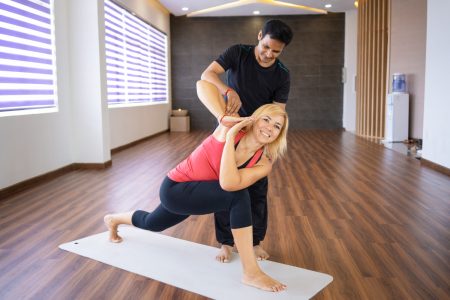
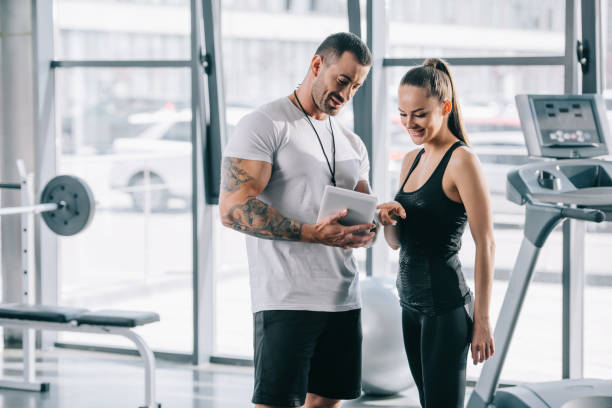
Staying active during the senior years plays an important role in maintaining strength, mobility, confidence, and overall quality of life. However, exercise needs often change with age, making it important to follow a safe and personalized fitness approach. A professional fitness personal trainer can help seniors develop effective workout routines that focus on improving physical abilities while considering individual limitations and goals. With the right guidance, seniors can safely participate in strength training, mobility exercises, balance activities, and low impact workouts designed to support healthy aging. Choosing the right coach ensures that exercise remains safe, enjoyable, and effective while helping seniors maintain independence and improve everyday movement.
Why Seniors Can Benefit From Working With a Fitness Personal Trainer
Regular physical activity provides numerous benefits for older adults, but knowing which exercises are appropriate and how to perform them correctly can be challenging. A qualified personal trainer creates structured programs that match an individual’s current abilities while gradually improving strength, flexibility, and endurance.
Unlike general workout programs, senior fitness training focuses on personal needs, movement quality, and long term health goals. Professional guidance ensures exercises are performed safely while reducing the risk of injury caused by incorrect techniques or unsuitable movements.
Improving Strength, Mobility, and Independence
Maintaining muscle strength becomes increasingly important as people age because muscle loss can affect balance, movement, and daily activities. Strength training designed for seniors helps preserve muscle function while supporting better posture, stability, and coordination.
A personalized fitness program may include exercises that target:
- Lower body strength for improved stability
- Core strength for better balance
- Upper body strength for daily movement
- Mobility exercises for joint flexibility
- Balance training for confidence and coordination
Improved physical strength allows seniors to remain more independent by supporting everyday movements and maintaining functional abilities.
Supporting Healthy Aging Through Safe Exercise
Exercise provides significant health benefits when performed correctly. For seniors, safety should always be a priority when choosing a workout routine. A knowledgeable trainer understands how to adjust exercises according to fitness levels, previous activity experience, and physical limitations.
Professional coaching helps seniors avoid unnecessary strain by focusing on controlled movements, proper breathing techniques, and gradual progression. This approach allows individuals to improve fitness while maintaining confidence and comfort throughout their training journey.
Understanding Senior Fitness Needs and Challenges
Senior fitness requires a different approach compared to general adult training. Changes in strength, flexibility, balance, and recovery time should all be considered when designing an effective exercise program.
Common Physical Changes That Affect Senior Workouts
Aging naturally brings changes that can influence exercise performance. Reduced muscle mass, decreased flexibility, slower recovery, and changes in balance may affect how seniors approach physical activity.
These changes do not mean exercise should be avoided. Instead, workouts should be adapted to focus on safe progression and functional improvement. A qualified trainer understands these factors and creates exercises that support physical health while respecting individual capabilities.
Important considerations include:
- Current mobility level
- Previous exercise experience
- Balance ability
- Strength capacity
- Recovery needs
- Comfort with different movements
Why Personalized Training Is Important for Older Adults
Every senior has unique fitness needs, making personalized training especially valuable. A generic workout plan may not address specific challenges or provide the appropriate level of support required for safe progress.
A personal trainer evaluates current abilities before creating a customized program. This assessment helps determine suitable exercises, training intensity, and progression strategies. Personalized coaching also allows adjustments over time as strength, confidence, and mobility improve.
What to Look for in a Personal Trainer for Seniors
Choosing the right fitness coach is an important decision because the trainer’s experience and approach directly influence the quality of the training experience. Seniors should look for professionals who understand age related fitness needs and prioritize safety throughout every session.
Certifications, Experience, and Senior Training Knowledge
A qualified senior fitness trainer should have proper certifications, knowledge of exercise science, and experience working with older adults. Understanding how to modify exercises and create safe progressions is essential when training seniors.
Experience with senior fitness allows trainers to recognize appropriate movement patterns, identify potential challenges, and develop programs that support long term health. A knowledgeable coach focuses on improving abilities while avoiding unnecessary strain.
Communication Skills and a Safety Focused Approach
Good communication is an essential quality in any personal trainer. Seniors should feel comfortable discussing concerns, limitations, and fitness goals with their coach.
A safety focused trainer listens carefully, explains exercises clearly, and provides encouragement throughout the process. Building trust between the trainer and client creates a positive environment where seniors feel confident participating in regular exercise.
How a Senior Fitness Training Program Should Be Designed
An effective senior fitness program should focus on improving functional abilities while maintaining safety and consistency. A balanced approach combines strength training, mobility work, flexibility exercises, and recovery periods.
Strength Training for Maintaining Muscle and Balance
Strength training is one of the most important components of senior fitness. Maintaining muscle strength supports better movement, improves stability, and helps preserve independence.
Senior strength programs typically focus on controlled movements using appropriate resistance levels. Exercises should gradually progress based on individual improvement rather than following a fixed intensity level.
A well designed strength program may include:
- Resistance exercises
- Functional movement patterns
- Balance focused activities
- Core strengthening
- Stability exercises
Proper technique is more important than lifting heavier weights because safe movement creates better long term results.
Flexibility, Mobility, and Low Impact Exercises
Mobility and flexibility exercises help seniors maintain comfortable movement and reduce stiffness. Low impact activities support joint health while improving overall physical function.
Common options include stretching routines, controlled mobility exercises, walking based activities, and balance training. These exercises improve movement quality while reducing unnecessary stress on joints.
Benefits of Hiring a Personal Trainer for Seniors Near Me
Working with a professional trainer provides seniors with the support and guidance needed to maintain a consistent fitness routine. Having access to personalized coaching makes exercise more convenient while ensuring workouts are designed around individual abilities and goals. A trainer provides structure, encouragement, and professional knowledge that helps seniors stay committed to improving their health.
Convenient Training Support in a Comfortable Environment
Many seniors prefer exercising in a familiar and comfortable environment where they feel relaxed and confident. Personalized training allows workouts to be adapted to the individual’s preferred setting while removing common barriers associated with traditional fitness facilities.
A comfortable training environment can make exercise feel more accessible by allowing seniors to focus on movement, technique, and progress without unnecessary distractions. This approach is especially beneficial for individuals who require additional support, modified exercises, or a slower progression pace.
Training at home also provides convenience by reducing travel requirements and making it easier to maintain regular workout sessions. Seniors can receive professional guidance while following a routine that fits naturally into their lifestyle.
Personalized Guidance and Consistent Accountability
One of the biggest challenges with exercise is maintaining consistency over time. A personal trainer provides accountability by creating structured sessions, monitoring progress, and helping seniors stay motivated.
A professional coach can adjust workouts based on improvements, changing needs, and feedback from each session. This personalized approach ensures that exercises continue to provide appropriate challenges while remaining safe and manageable.
For seniors looking for convenient and customized support, working with a professional fitness trainer at home can provide expert guidance while helping them build confidence and maintain a consistent fitness routine.
Safety Considerations When Choosing a Senior Fitness Coach
Safety should always be the highest priority when selecting a fitness trainer for seniors. A knowledgeable coach understands that older adults may have different physical requirements and should create programs that support health while minimizing risk.
Understanding Health Conditions and Exercise Limitations
Senior fitness programs should consider existing health conditions, mobility challenges, and personal limitations. A professional trainer takes time to understand each client’s physical condition before recommending specific exercises.
Important factors that may influence training include:
- Current fitness level
- Mobility limitations
- Previous injuries
- Balance concerns
- Exercise experience
- Recovery requirements
By considering these factors, trainers can create safer and more effective workout programs that support gradual improvement.
A responsible trainer does not push seniors beyond their capabilities. Instead, they focus on controlled progress, proper movement patterns, and exercises that build confidence over time.
Preventing Injuries Through Proper Technique and Progression
Incorrect exercise techniques can increase the risk of injuries, especially for older adults. Professional trainers teach proper form, demonstrate movements clearly, and provide corrections throughout workouts.
Progression should also be gradual. Increasing exercise difficulty too quickly can create unnecessary stress on muscles and joints. A structured approach allows seniors to improve strength and mobility while giving the body enough time to adapt.
A safety focused trainer understands that progress is not only measured by intensity but also by improved movement quality, confidence, and consistency.
Questions to Ask Before Hiring a Fitness Personal Trainer
Choosing the right trainer requires careful consideration. Seniors should ask important questions to understand the trainer’s experience, approach, and ability to provide appropriate support.
Experience Working With Older Adults
Experience with senior clients is one of the most important factors when selecting a trainer. A coach who understands senior fitness can create programs that focus on mobility, strength maintenance, balance improvement, and safe progression.
Questions to consider include:
- How much experience do you have training seniors?
- What types of fitness programs do you create for older adults?
- How do you modify exercises for different abilities?
- How do you track progress?
A trainer with senior fitness experience will understand the importance of patience, communication, and individualized programming.
Training Approach, Availability, and Goal Setting
Before beginning a training program, seniors should discuss their goals, preferred schedule, and expectations. Understanding the trainer’s approach helps ensure the program matches personal preferences and fitness objectives.
A quality trainer should provide clear explanations about:
- Workout frequency
- Exercise structure
- Progress tracking
- Safety procedures
- Long term fitness planning
Open communication creates a stronger trainer client relationship and improves the overall training experience.
Common Mistakes Seniors Should Avoid During Exercise
While exercise provides many benefits, certain mistakes can reduce progress or increase injury risk. Understanding these common errors helps seniors create safer and more effective fitness routines.
Starting Too Quickly Without Proper Assessment
Beginning exercise with excessive intensity is one of the most common mistakes. Seniors should avoid jumping into challenging workouts without understanding their current fitness level.
A proper assessment helps identify strengths, limitations, and appropriate starting points. Gradual progression allows the body to adapt while reducing unnecessary strain.
Effective senior fitness focuses on consistency and improvement rather than rushing results. Building a strong foundation creates better long term outcomes.
Following Generic Workout Plans Without Professional Guidance
Generic workout programs often fail to consider individual differences in mobility, strength, and health requirements. A routine designed for the general population may not provide the adjustments needed for senior fitness.
Personalized programs are more effective because they address specific goals while considering physical limitations. Professional guidance ensures exercises are appropriate, safe, and aligned with personal progress.
Why Choose Triat Fitness for Senior Personal Training
Finding the right fitness partner can make a significant difference in achieving long term health and wellness goals. Triat Fitness focuses on providing personalized senior training programs designed around safety, comfort, and measurable progress.
Experienced Fitness Personal Trainers Focused on Safe Progress
Triat Fitness works with experienced personal trainers who understand the importance of safe and effective senior exercise. Trainers focus on proper technique, gradual progression, and customized programming to help seniors improve strength, mobility, and confidence.
Each session is designed to support individual needs while creating a positive and encouraging fitness environment. The focus remains on sustainable progress rather than unrealistic expectations.
Customized Training Plans Designed Around Senior Fitness Goals
Every senior has different goals, abilities, and preferences. Triat Fitness creates customized workout plans that consider each individual’s current fitness level and desired outcomes.
Programs may include strength training, mobility exercises, balance activities, flexibility work, and functional movements designed to support everyday physical abilities.
Personalized coaching helps seniors remain active while developing healthier habits that support long term wellness.
Conclusion
Choosing the right fitness personal trainer for seniors is an important step toward maintaining strength, mobility, independence, and overall quality of life. A qualified coach provides personalized guidance, safe exercise techniques, and structured programs designed around individual needs. With the right support, seniors can improve physical abilities while building confidence and maintaining an active lifestyle.
Professional senior fitness training focuses on gradual progress, proper movement, and sustainable habits rather than quick results. If you are ready to begin a safe and personalized fitness journey, Start Your Fitness Journey today and connect with experienced trainers who can help you achieve your health goals.
FAQs
1. Why should seniors work with a personal fitness trainer?
A personal trainer provides customized workouts, proper exercise guidance, and accountability while ensuring exercises are safe and suitable for senior fitness needs.
2. What type of exercises are best for seniors?
Strength training, balance exercises, mobility movements, flexibility routines, and low impact activities are commonly beneficial for supporting senior health and independence.
3. How often should seniors exercise with a personal trainer?
The ideal frequency depends on individual goals, fitness levels, and health considerations. Many seniors benefit from regular weekly sessions combined with appropriate activity between workouts.
4. Can seniors exercise safely with existing physical limitations?
Yes. A qualified trainer can modify exercises based on individual limitations and create a program that supports safe improvement while reducing injury risk.
5. What should seniors look for in a fitness personal trainer?
Seniors should choose a trainer with experience working with older adults, proper certifications, strong communication skills, and a safety focused training approach.