Choosing the right personal trainer for seniors Toronto can make a meaningful difference in strength, balance, confidence, and everyday independence. As people age, fitness goals often become less about chasing extreme results and more about moving safely, staying active, protecting mobility, and maintaining the energy needed for daily life. The right trainer understands that senior fitness requires patience, personalization, clear communication, and a strong focus on safe progression.
At Triat Fitness, we believe senior training should feel supportive, practical, and empowering. Whether someone wants to improve balance, rebuild strength, stay active after retirement, or feel more confident moving around the home, the right coaching plan can help. This guide explains what to look for when choosing a personal trainer for seniors Toronto in 2026, including qualifications, safety awareness, communication style, training environment, and service options that support long-term consistency.
Why Senior Fitness Needs A Specialized Approach
A personal trainer for seniors Toronto should understand that older adults often have different needs than younger clients. Many seniors want to improve strength, posture, balance, joint comfort, and daily movement ability. Some may also be returning to exercise after a long break, recovering from reduced activity, or managing age-related changes in energy and mobility. A general workout plan is not enough. Senior fitness requires a thoughtful approach that considers current ability, confidence level, medical history, movement limitations, and lifestyle.
A personal trainer for seniors Toronto should also focus on function, not just exercise. The goal is not only to complete a workout. The goal is to make everyday life easier. That may include standing up from a chair with more confidence, climbing stairs more safely, carrying groceries, improving walking stamina, or reducing fear of falling. Canadian public health guidance notes that physical activity can support health, wellbeing, and quality of life for older adults, which makes safe and consistent movement especially important for seniors.
Functional Fitness Should Come First
A personal trainer for seniors Toronto should build workouts around real-life movement patterns. This can include sit-to-stand strength, step-ups, light resistance training, balance drills, gentle core work, mobility exercises, and walking-based conditioning. Functional fitness helps seniors feel more capable in daily life because the exercises connect directly to movements they use every day. When training feels relevant, confidence improves and consistency becomes easier.
Look For Experience With Older Adults
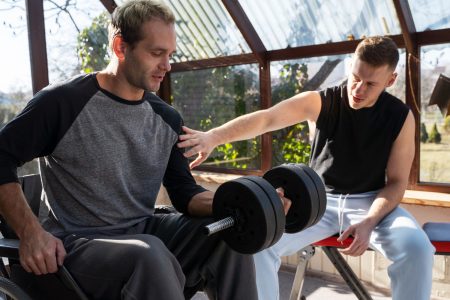
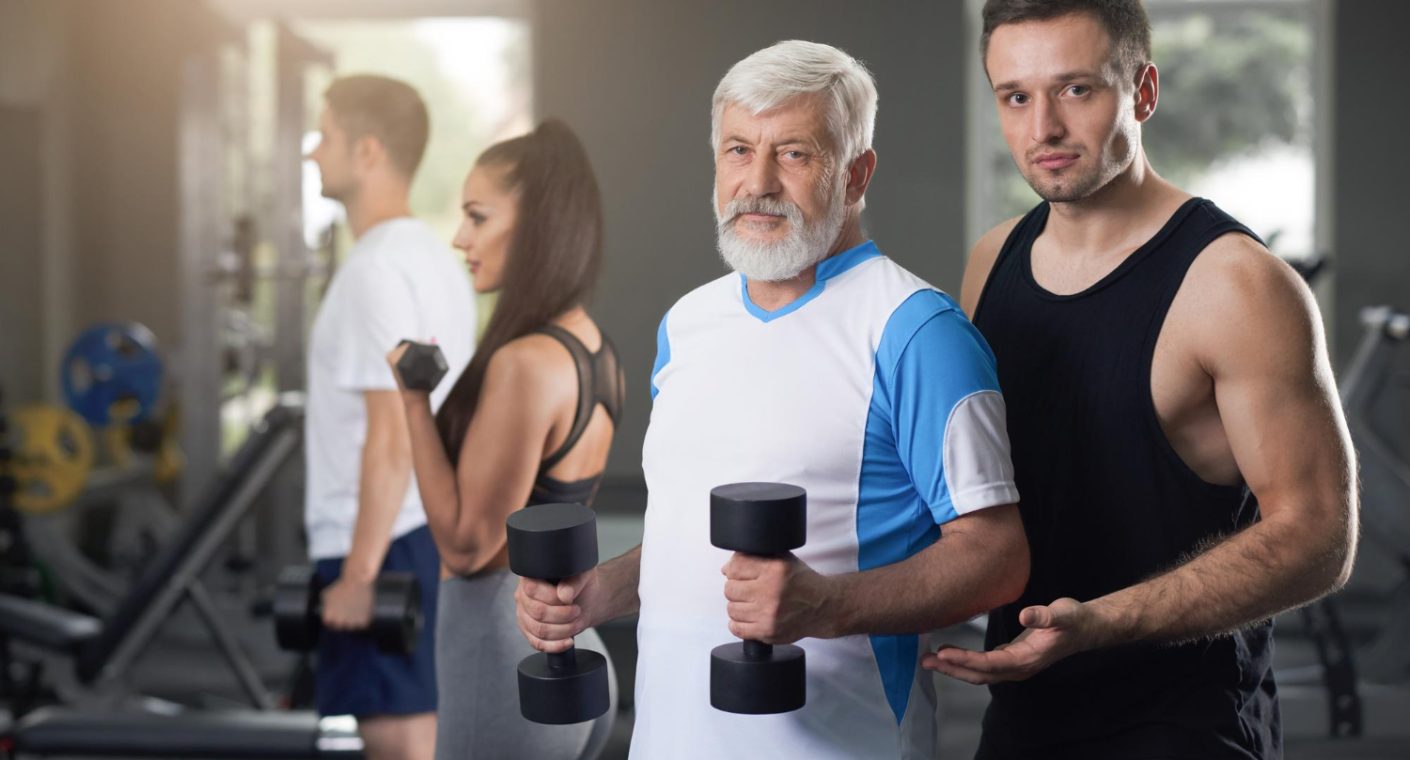
A personal trainer for seniors Toronto should have experience coaching older clients, not only general fitness clients. Working with seniors requires careful pacing, patience, and an ability to adapt exercises quickly. A trainer should know how to modify movements for balance challenges, joint stiffness, reduced range of motion, or lower starting strength. They should also understand when to slow down, when to progress, and when to recommend that a client consult a healthcare professional before increasing intensity.
A personal trainer for seniors Toronto should also be comfortable asking detailed questions before training begins. They should ask about exercise history, goals, injuries, surgeries, medication considerations, mobility concerns, falls history, and current activity level. This does not mean the trainer is replacing a doctor or physiotherapist. It means the trainer is gathering the information needed to coach responsibly. In 2026, seniors and families should expect a more personalized intake process before committing to a training plan.
Ask About Senior-Specific Coaching Experience
A personal trainer for seniors Toronto should be able to explain how they have helped older adults improve strength, balance, confidence, or consistency. You can ask what types of clients they usually train, how they modify exercises, and how they track progress for seniors. A good trainer will not give vague answers. They will explain their process clearly and show that they understand the difference between pushing hard and progressing wisely.
Prioritize Safety, Balance, And Fall Prevention
A personal trainer for seniors Toronto should make safety a central part of every session. This includes choosing the right exercises, setting up the space properly, monitoring fatigue, and avoiding rushed transitions between movements. Seniors may need more time to warm up, more rest between sets, or more stable exercise positions. Safe coaching does not mean easy coaching. It means the challenge is appropriate and controlled.
A personal trainer for seniors Toronto should also include balance and coordination work when appropriate. Falls are a major concern for many older adults, and Health Canada’s senior home safety guidance highlights the importance of being active and considering regular physical activity that stimulates the muscles and heart. A strong trainer will use practical balance exercises that match the client’s current ability, such as supported single-leg holds, controlled stepping patterns, heel-to-toe walking, or chair-supported movements.
Progress Should Feel Controlled, Not Risky
A personal trainer for seniors Toronto should never rush progress just to make workouts look intense. The best senior programs improve strength and confidence gradually. For example, a client may start with chair-assisted movements before progressing to unsupported squats or step-ups. This type of progression helps the nervous system, muscles, and joints adapt safely. A senior should leave a session feeling challenged, but not unsafe or overwhelmed.
Choose A Trainer Who Communicates Clearly
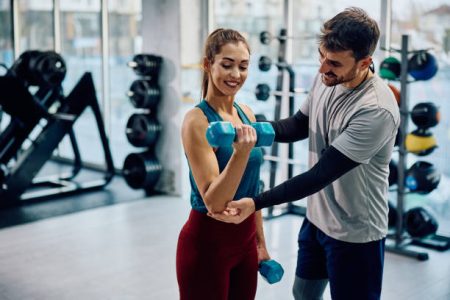
A personal trainer for seniors Toronto should be an excellent communicator. Seniors need clear instructions, patient coaching, and simple explanations about why each exercise matters. A trainer should not use confusing fitness jargon or pressure a client into movements they do not understand. Instead, they should explain the purpose of each exercise, demonstrate proper technique, and check that the client feels comfortable before moving forward.
A personal trainer for seniors Toronto should also communicate well with family members when appropriate. Some seniors prefer to involve an adult child, spouse, or caregiver in the decision-making process. A professional trainer can explain the plan, progress markers, and safety precautions in a respectful way. Strong communication builds trust, and trust is essential for long-term consistency, especially when someone is nervous about starting a new fitness routine.
The Right Trainer Builds Confidence
A personal trainer for seniors Toronto should help seniors feel capable, not judged. Confidence is a major part of senior fitness. If a client feels embarrassed, rushed, or confused, they may stop training. If they feel encouraged, understood, and supported, they are more likely to continue. A trainer’s tone matters as much as the workout plan because emotional comfort can directly affect consistency.
Understand The Best Training Environment For Seniors
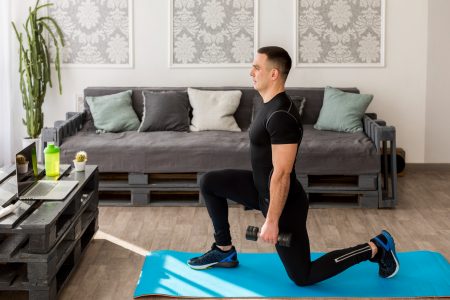
A personal trainer for seniors Toronto should help clients choose a training environment that supports comfort and consistency. For many seniors, in-home training is ideal because it removes travel time, reduces intimidation, and allows the trainer to build workouts around the client’s actual living space. This can be especially helpful for clients who do not feel comfortable in a crowded gym or who prefer private coaching.
A personal trainer for seniors Toronto may also recommend condo gym training, studio training, partner sessions, or small group sessions depending on the client’s needs. Some seniors enjoy the social element of Small Group Personal Training, while others prefer the privacy of 1-on-1 In-Home Personal Training. The best environment is the one where the client feels safe, comfortable, and willing to train consistently. At Triat Fitness, matching the right format to the client is a key part of the process.
In-Home Training Can Reduce Barriers
A personal trainer for seniors Toronto who offers in-home sessions can make fitness more accessible. There is no need to commute, wait for equipment, or feel self-conscious in public. The trainer can use simple tools like resistance bands, light dumbbells, chairs, steps, and bodyweight movements. For many seniors, removing the travel barrier is what makes regular training realistic.
Questions To Ask Before Hiring A Senior Trainer
A personal trainer for seniors Toronto should be able to answer important questions before you book sessions. Asking the right questions helps you understand whether the trainer is experienced, careful, and aligned with your goals. Seniors and families should never feel rushed into choosing a coach. A professional trainer will welcome thoughtful questions because they show that safety and consistency matter.
A personal trainer for seniors Toronto should also explain their process in plain language. If the answers feel unclear, overly aggressive, or too generic, that may be a sign to keep looking. Use this checklist when comparing options in 2026:
- Have you trained older adults before?
- How do you assess strength, balance, and mobility?
- How do you modify exercises for joint discomfort or limited movement?
- Do you offer 1-on-1 In-Home Personal Training?
- How do you track progress for seniors?
- What happens if the client feels tired or uncomfortable during a session?
- Do you include balance and mobility exercises?
- Can sessions be adjusted for different energy levels?
- How do you support consistency between sessions?
- What service format is best for this client’s goals?
Look For Personalized Programming, Not Generic Workouts
A personal trainer for seniors Toronto should not use the same workout for every client. Seniors vary widely in ability, goals, experience, and comfort. One client may want to improve balance and walking stamina. Another may want to rebuild strength after years of inactivity. Another may already be active and want more structured resistance training. A personalized plan helps each client progress at the right pace.
A personal trainer for seniors Toronto should also update the program over time. The first few sessions may focus on assessment, confidence, technique, and movement quality. As the client improves, the trainer may gradually add resistance, volume, range of motion, or conditioning. This planned progression is important because results come from steady adaptation. A generic routine may feel active, but it may not create measurable improvement.
Progress Tracking Should Be Simple And Meaningful
A personal trainer for seniors Toronto should track progress in ways that matter to the client. This could include improved chair stands, better balance time, more confident stair climbing, increased walking stamina, better posture, or stronger resistance exercises. Not every senior needs body measurements or scale tracking. Functional progress is often more meaningful because it connects directly to independence and quality of life.
Consider Nutrition, Hydration, And Recovery Support
A personal trainer for seniors Toronto should understand that exercise results are influenced by habits outside the session. Seniors need enough energy, hydration, protein, sleep, and recovery to support training. Canada’s Food Guide offers healthy eating information for seniors and notes that healthy eating does not have to be difficult, time-consuming, or expensive. A trainer can help reinforce practical habits while staying within their professional scope.
A personal trainer for seniors Toronto should also respect recovery needs. Older adults may need more time between challenging sessions, especially when starting. A good plan may include strength training, gentle movement, walking, mobility, and rest days. The goal is not to make every session exhausting. The goal is to build capacity over time. Recovery is part of the plan, not a sign of weakness.
Healthy Habits Support Better Training
A personal trainer for seniors Toronto can encourage simple habits that support energy and consistency. This may include drinking water before sessions, eating balanced meals, walking regularly, sleeping well, and reporting soreness or fatigue honestly. When these habits improve, workouts often feel better and progress becomes easier to maintain. Senior fitness works best when training and lifestyle support each other.
Why Choose Triat Fitness
Triat Fitness understands that choosing a personal trainer for seniors Toronto is an important decision. Seniors need coaching that is patient, safe, respectful, and personalized. Our approach focuses on helping clients move better, build strength, improve balance, and feel more confident in daily life. We do not believe in extreme programs for older adults. We believe in structured training that meets the client where they are and progresses at the right pace.
Triat Fitness offers flexible options that can support seniors and their families, including 1-on-1 In-Home Personal Training, Partner In-Home Training (2-on-1), and Small Group Personal Training. Private in-home coaching can be especially helpful for seniors who want comfort and convenience. Partner training can work well for spouses or friends who want shared accountability. Small group coaching can add motivation and social connection. The right service depends on the client’s comfort, goals, and support needs.
A Practical Next Step With Triat Fitness
A personal trainer for seniors Toronto should make the first step feel simple. Triat Fitness can help identify the right training format, build a safe plan, and support steady progress. Whether the goal is strength, balance, mobility, or confidence, the first priority is consistency. Once training becomes part of the weekly routine, results become easier to build and maintain.
Choose The Trainer Who Makes Fitness Safer And Easier To Continue
Finding the right personal trainer for seniors Toronto in 2026 means looking beyond price or convenience. The best trainer should understand senior fitness, communicate clearly, prioritize safety, personalize each session, and help the client feel confident. They should also make training realistic by choosing the right environment, pace, and service format. For many seniors, the right support can turn exercise from something intimidating into something encouraging and sustainable.
Triat Fitness is here to help seniors and families choose a fitness plan that fits real life. With options like 1-on-1 In-Home Personal Training, Partner In-Home Training (2-on-1), and Small Group Personal Training, seniors can receive coaching that supports strength, independence, and confidence. If you are ready to find a personal trainer for seniors Toronto, Triat Fitness can help you take the next step with care, structure, and expert guidance.
Frequently Asked Questions
- What should I look for in a personal trainer for seniors Toronto?
Look for experience with older adults, clear communication, safe exercise modifications, balance training, and a personalized approach. - Is a personal trainer for seniors Toronto good for beginners?
Yes, a personal trainer for seniors Toronto can be very helpful for beginners because they can teach proper form and build confidence gradually. - Can senior personal training help with balance?
Yes, senior training can include balance drills, strength exercises, walking support, and controlled movement patterns to improve stability. - Is in-home training a good option for seniors?
Yes, in-home training is often ideal because it provides privacy, convenience, and coaching in a familiar environment. - How often should seniors train with a personal trainer?
Many seniors benefit from one to three sessions per week, depending on their goals, current ability, recovery needs, and schedule. - Can couples train together with a personal trainer for seniors Toronto?
Yes, Partner In-Home Training (2-on-1) can work well for spouses or friends who want shared support and accountability. - Why choose Triat Fitness for a personal trainer for seniors Toronto?
Triat Fitness offers personalized, safe, and flexible coaching options designed to help seniors build strength, balance, and confidence.