Starting a fitness routine is one thing. Sticking with it after the initial motivation fades is much harder. Work schedules change, family responsibilities appear, and tired evenings make it easy to postpone another workout. Couples personal training can solve part of that problem by turning exercise into a shared commitment. Instead of relying entirely on personal motivation, two people schedule the same training time, work toward their individual goals, and encourage each other to keep showing up.
For couples who prefer convenience and privacy, training at home can make that commitment even easier. Triat Fitness offers Partner In-Home Training for two people who want professional coaching without adding a trip to a commercial gym. Couples personal training combines the structure of a trainer with the accountability of someone you already know. You do not need identical fitness levels or identical goals. You need a training format that allows each person to progress appropriately while sharing the experience.
What Is Couples Personal Training?
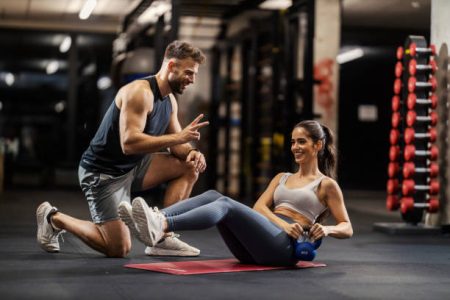
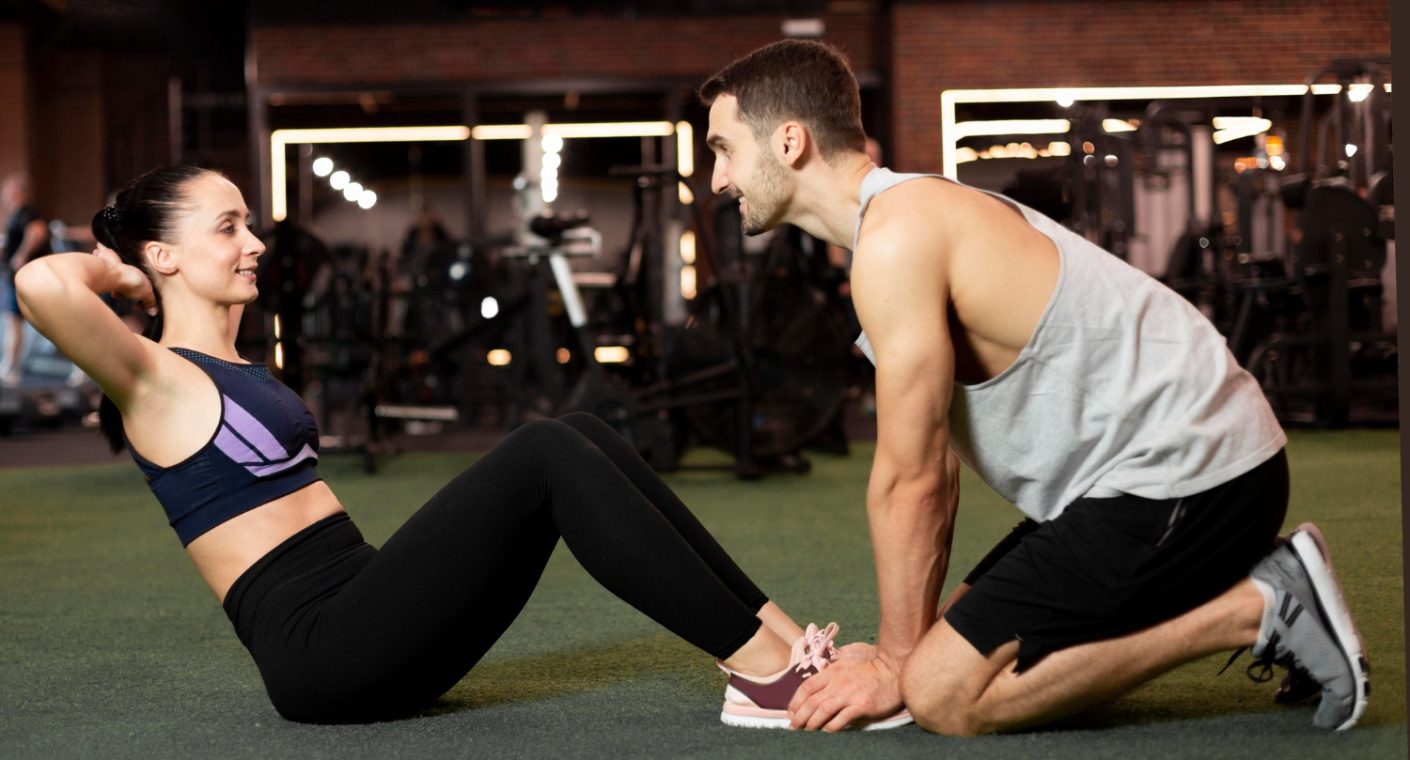
Couples personal training is a form of 2-on-1 coaching in which two people work with one personal trainer during the same session. Although couples are a natural fit, the same format can also work for friends or family members. During a session, the trainer organizes exercises around both participants, monitors technique, adjusts resistance or exercise variations individually, and manages the overall workout so both people stay engaged.
The important difference between couples personal training and simply exercising together is professional structure. Two people can meet for a workout on their own, but they may still be unsure about exercise selection, progression, technique, or how hard they should work. A trainer removes much of that uncertainty. Each session follows a purpose, and the program develops over time instead of becoming a collection of random workouts.
Partner Training Does Not Require Identical Abilities
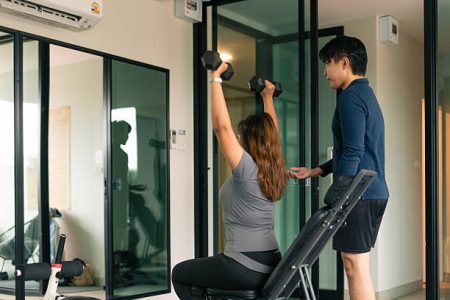
One partner might be comfortable with strength training while the other is a complete beginner. That does not automatically prevent them from training together. A trainer can change dumbbell weights, exercise variations, repetitions, range of motion, or rest periods while keeping both people within the same overall workout structure. This allows each participant to work at an appropriate level without separating the couple into completely different sessions.
Why Accountability Is Easier When You Train Together
One of the strongest benefits of couples personal training is shared accountability. If you normally exercise alone, skipping a session may affect only you. When your partner has also planned their day around the workout, cancelling becomes a shared decision. Knowing another person is ready to train can provide the extra push needed on days when motivation is low.
Government of Canada physical activity guidance specifically encourages people to make activity social and suggests getting someone to join you as one way to build an active routine. Regular activity can support fitness, energy, wellbeing, and overall health, and sharing that activity with another person can make it easier to turn good intentions into a regular habit. Couples personal training builds that social element directly into the weekly schedule.
Accountability Should Support, Not Pressure
A healthy partner workout should not involve guilt or criticism when one person struggles. The purpose is to make showing up easier for both people. A trainer can help keep the focus on individual progress so the relationship remains supportive rather than turning every workout into a competition.
Why Training At Home Works So Well For Couples
Convenience is another major reason couples personal training works well at home. Coordinating two work schedules is already challenging. Adding travel to a gym, parking, changing, and waiting for equipment creates additional barriers. When the trainer comes to your home or suitable condo gym, much of that extra time disappears. Both partners can move from their normal routine into the workout with fewer logistical steps.
Home training can also provide greater privacy. Some people feel uncomfortable exercising in crowded gyms, particularly when they are beginners or returning after a long break. Couples personal training allows both partners to learn exercises, ask questions, and develop confidence in a familiar environment. If your home has limited equipment, a trainer can build sessions around dumbbells, resistance bands, bodyweight movements, or available condo gym equipment.
Your Home Does Not Need To Look Like A Gym
A useful partner workout does not require rows of machines. Squats, lunges, hinges, presses, rows, carries, core exercises, mobility work, and conditioning can all be adapted for smaller spaces. A trainer can also recommend a few practical pieces of equipment if additional resistance becomes useful later.
How Partner Workouts Can Improve Consistency
Consistency is where many fitness plans break down. A person may start with four ambitious weekly workouts, miss one because of work, then gradually stop following the routine altogether. Couples personal training creates more structure because sessions are scheduled in advance and involve both a trainer and a partner. There are fewer opportunities to quietly postpone exercise until tomorrow.
Consistency also improves when the routine feels enjoyable. Couples personal training turns exercise into shared time rather than another separate obligation. For couples with busy jobs, children, or demanding schedules, this may be one of the few planned activities they complete together each week. The combination of professional coaching and shared experience can make training easier to maintain over several months.
The Goal Is A Routine You Can Repeat
Three perfect weeks followed by two months of inactivity will not create sustainable progress. A realistic schedule that both partners can maintain is more useful. The trainer can help determine whether one, two, or more weekly sessions make sense based on goals, current activity, and availability.
Different Goals Can Still Fit Into The Same Session
A common concern about couples personal training is that two partners may have different goals. One person might want to build strength while the other wants better general fitness. One might be more experienced, while the other needs more instruction. A skilled trainer can organize the session around common movement patterns while changing how each individual performs them.
For example, both people might complete a squat pattern, but one could use a heavier dumbbell while the other performs a supported bodyweight version. Both might row, but each could use a different resistance. Couples personal training therefore does not require identical programming. It requires coordinated programming that keeps both people working toward their own objectives within the same appointment.
Progress Can Look Different For Each Partner
One person may progress by lifting more weight, while the other progresses by improving balance or completing an exercise with better control. Comparing those achievements directly is unnecessary. The trainer should track each person’s progress against their own starting point.
Why Couples Choose Partner Workouts At Home
Couples personal training can solve several practical challenges at once. It gives both partners a scheduled workout, professional guidance, shared motivation, and a convenient location. That combination is particularly useful when exercising independently has repeatedly failed because life becomes too busy.
The benefits are not limited to motivation. Couples personal training can also make professional coaching more practical because one trainer coaches two people at the same time. Here are several reasons couples choose this format:
- Both partners reserve the same time for exercise
- The trainer comes to the home or suitable condo gym
- There is no additional commute to a commercial gym
- Partners can encourage each other between sessions
- Each person can use different weights or exercise variations
- Workouts are professionally planned instead of random
- Shared sessions can make training feel more social
- Both participants receive technique feedback
- Progress can be tracked individually
- Couples can build healthier routines together
- One partner can help remind the other about scheduled sessions
- Training becomes shared quality time with a clear purpose
How A Typical Couples Training Session Works
A couples personal training session may begin with a joint warm-up involving mobility and simple movement preparation. The trainer can then move into strength blocks using exercises such as squats, hinges, rows, presses, lunges, step-ups, or core movements. Depending on the equipment and space, partners may perform exercises simultaneously, alternate turns, or work through different stations.
The trainer manages timing so neither person spends most of the session waiting. Couples personal training may also include short conditioning blocks, mobility, balance work, or exercises connected to each participant’s goals. As the weeks progress, the trainer can increase resistance, repetitions, range of motion, exercise complexity, or other variables to ensure both partners continue being challenged.
Good Partner Sessions Keep Both People Active
Efficient programming matters in 2-on-1 coaching. While one partner completes an exercise, the other might perform a complementary movement, rest briefly, or prepare for their next set. The session should feel organized rather than like one person is watching the other train.
Strength Training Can Become A Shared Habit
Strength work is a natural foundation for couples personal training because fundamental movements can be modified for almost any fitness level. Both partners can practise squats, hip hinges, pushes, pulls, carries, and core exercises while using resistance suited to their individual abilities. These movements can support practical strength for everyday life as well as broader fitness goals.
Current Government of Canada guidance recommends that adults aged 18 to 64 get at least 150 minutes of moderate-to-vigorous activity per week, alongside light activity and muscle- and bone-strengthening activity. Couples personal training can provide structured strength work as part of that broader active lifestyle, while walking and recreational activities together can add movement on non-training days.
You Can Build Activity Beyond The Coached Sessions
Partner workouts do not need to be the only time you are active together. Couples may walk after dinner, hike on weekends, cycle, or complete a trainer-assigned independent workout. Shared activity can reinforce the routines established during coached sessions.
Partner Workouts Can Reduce Workout Decision Fatigue
Many people know they should exercise but lose time deciding what to do. Should today be cardio or strength? Which exercises should come first? How much weight should you use? Should you repeat last week’s routine? Couples personal training removes much of that uncertainty because the trainer prepares the program and keeps track of progression.
This also prevents disagreements between partners about what the workout should involve. Instead of one person becoming the unofficial coach, couples personal training gives responsibility for the program to a professional. Both partners can focus on participating while the trainer handles exercise selection, modifications, session flow, and progression.
Neither Partner Needs To Become The Coach
Even if one person has more exercise experience, constantly correcting or directing their spouse can change the dynamic of the workout. Professional coaching lets both people participate as clients while receiving feedback from a neutral trainer.
How To Avoid Turning Partner Training Into Competition
A little friendly competition may make couples personal training more enjoyable, but it should never become the purpose of every session. Differences in body size, training history, mobility, goals, and strength mean that comparing weights or repetitions is often meaningless. One partner may naturally lift more while the other has better endurance or mobility.
A trainer can keep couples personal training focused on individual progress. Each participant can have their own resistance targets and progression goals even when they perform similar exercises. Celebrating personal improvements rather than trying to beat your partner keeps the environment more positive and reduces the temptation to use inappropriate weights or rush technique.
Compete With Your Previous Performance Instead
A useful question is not, “Did I lift more than my partner?” It is, “Did I improve compared with last month?” Progress might mean another repetition, better balance, improved technique, more resistance, or greater workout consistency.
How To Choose The Right Schedule As A Couple
The best couples personal training schedule is the one both partners can maintain. Start by identifying recurring times that are relatively stable for both people. Early mornings may work well if evenings are unpredictable, while other couples may prefer sessions immediately after work or during weekends. The key is creating a routine that does not need to be renegotiated every week.
It can also help to have a backup plan. Couples personal training may normally happen twice each week, but travel, deadlines, or family responsibilities can occasionally interfere. Instead of treating one missed session as a failed week, the trainer can help adjust the schedule or recommend appropriate activity until the normal routine resumes.
Put Sessions On Both Calendars
Treat the appointment like any other important shared commitment. When the workout appears on both schedules in advance, it becomes less likely that another non-essential task will take its place.
Who Is Couples Personal Training Best For?
Couples personal training can work especially well for spouses or partners who want to become more active but struggle with consistency individually. It can also suit couples who already exercise but want more structured strength programming, technique feedback, or progression. Beginners can benefit because professional guidance removes much of the uncertainty associated with learning exercises.
The format may be less suitable when two people require very different levels of specialized attention. In those cases, 1-on-1 In-Home Personal Training may initially be more appropriate. However, many couples can transition into Partner In-Home Training once both participants are comfortable with the exercises and the trainer understands their individual requirements.
A Consultation Can Help Determine The Right Format
Before starting, both partners should discuss their goals, schedules, previous exercise experience, and relevant health considerations with the trainer. This gives the coach enough information to decide whether a shared session can meet both people’s needs effectively.
How Partner Training Fits With Other Training Options
Partner In-Home Training sits between fully private coaching and larger Small Group Personal Training. One-on-one coaching provides the trainer’s full attention to a single client, while small group coaching spreads instruction across more participants. Couples personal training gives two people a high level of coaching while preserving the shared experience.
This can be particularly useful when couples want personalized guidance without training separately. Triat Fitness can also help clients move between formats if their circumstances change. Someone may begin privately, transition into couples personal training, or eventually prefer a small group environment. Training format should support consistency rather than become a permanent restriction.
Your Training Format Can Evolve
The structure that works best during your first month may not be the same one you prefer a year later. As confidence and fitness improve, adjusting the coaching format can keep training practical and engaging.
Why Choose Triat Fitness
Triat Fitness offers Partner In-Home Training for couples who want professional coaching in a convenient and supportive environment. Couples personal training sessions can be adapted to each participant’s fitness level, goals, equipment, and movement ability while keeping both people involved in the same structured workout. The emphasis is on proper exercise technique, realistic progression, consistency, and a training experience both partners can maintain.
Triat Fitness also understands that convenience matters. Partner sessions can remove a separate trip to the gym and make it easier for couples to fit professional training around careers, family responsibilities, and busy GTA schedules. Along with Partner In-Home Training (2-on-1), clients can explore 1-on-1 In-Home Personal Training or Small Group Personal Training when a different level of individual or social support better suits their needs.
Start By Booking A Partner Session
You do not need to create a workout plan before contacting a trainer. Discuss your goals, experience, schedule, and available training space first. Triat Fitness can then help determine a suitable starting point for both partners and build the sessions around your individual abilities.
Build Better Fitness Habits Together
Couples personal training can turn exercise from an individual intention into a shared commitment. Training together creates built-in accountability, makes scheduled workouts harder to ignore, and gives partners an opportunity to support each other’s progress. Adding professional coaching provides the structure needed to make those workouts productive rather than relying on random exercises or one partner trying to coach the other.
Triat Fitness offers Partner In-Home Training for couples who want convenience, professional guidance, and a training routine they can share. Whether your goals involve strength, general fitness, confidence, or simply becoming more consistent, couples personal training can help you work toward them together while still respecting your individual abilities. If you are ready to make fitness a shared habit, book a partner session and start building a routine that both of you can maintain.
Frequently Asked Questions
Couples personal training combines the accountability of exercising with someone you know and the structure of professional coaching. Partners do not need identical goals or fitness levels, because exercises can be adjusted individually while both people remain part of the same session.
Before starting, both partners should discuss their exercise history, goals, schedules, and relevant limitations with the trainer. That allows the coach to build sessions that challenge both people appropriately.
- What Is Couples Personal Training?
Couples personal training is a 2-on-1 coaching format where two partners train with one personal trainer during the same scheduled session.
- Can Couples Personal Training Work If We Have Different Fitness Levels?
Yes. The trainer can change resistance, repetitions, exercise variations, range of motion, and rest periods so each partner trains at an appropriate level.
- Can We Do A Partner Workout At Home Without A Full Gym?
Yes. Couples personal training can use bodyweight exercises, dumbbells, resistance bands, benches, and equipment available in a home or condo gym.
- Does Couples Personal Training Improve Accountability?
It can. A scheduled trainer plus a partner who is also expecting to exercise creates two layers of accountability, which may make sessions easier to maintain.
- Can I Train With My Spouse If We Have Different Goals?
Yes. One partner may focus more heavily on strength while another focuses on general fitness. A trainer can modify parts of the session while keeping both people involved.
- Is 2-On-1 Personal Training The Same As Small Group Training?
Not exactly. 2-on-1 personal training involves two clients and generally allows more individual attention than a larger small group session.
- Why Choose Triat Fitness For Couples Personal Training?
Triat Fitness offers Partner In-Home Training (2-on-1) with personalized exercise modifications, professional coaching, and convenient sessions designed to help couples train consistently together.