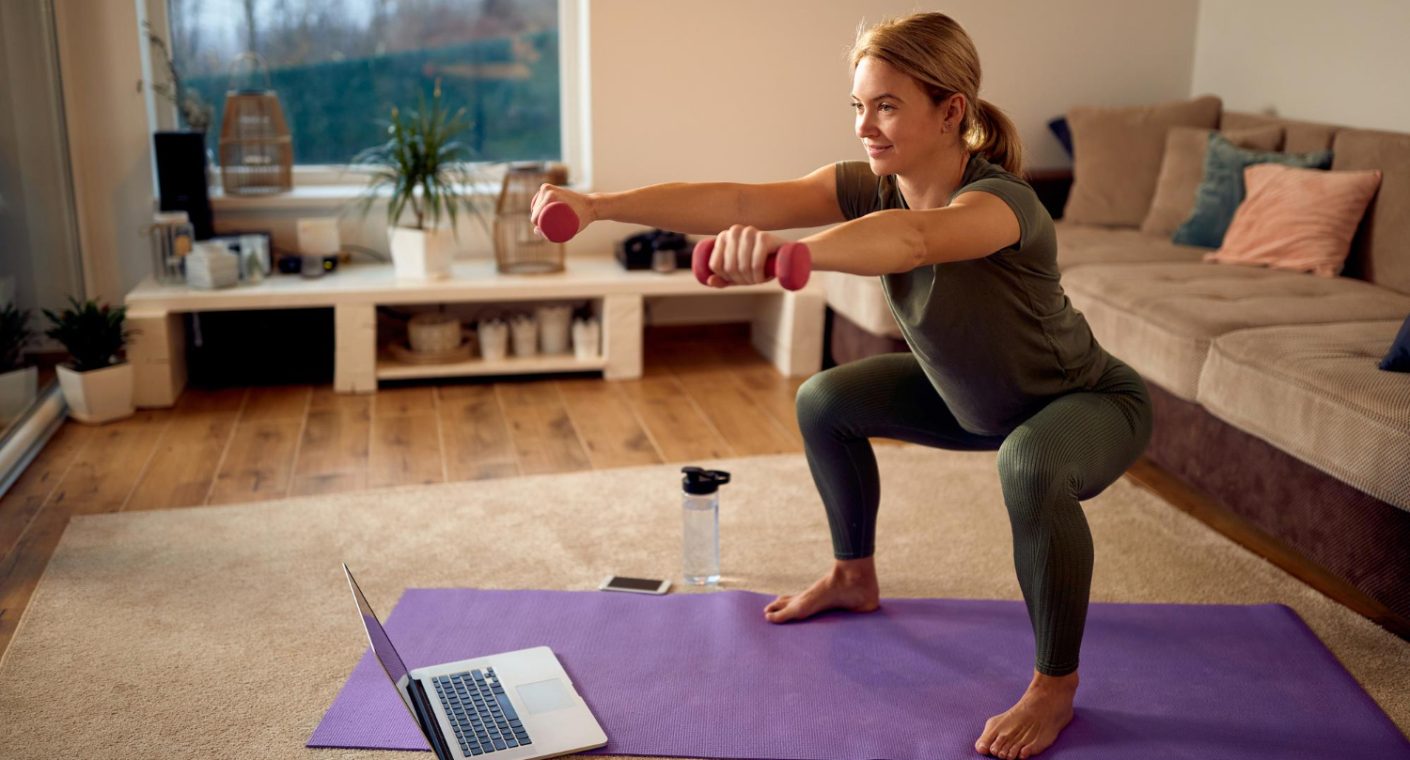
You do not need a large gym, expensive machines, or an entire room filled with fitness equipment to build a useful strength routine. For many beginners, a pair of dumbbells and a small amount of floor space can be enough to start exercising consistently. A dumbbell workout at home can help you train major muscle groups, improve movement confidence, build strength, and create a repeatable routine without adding travel time to your day.
At Triat Fitness, we believe the best beginner program is one that feels realistic enough to continue. A dumbbell workout at home can work in a living room, bedroom, condo gym, basement, or another safe space where you can move comfortably. Instead of trying dozens of complicated exercises, you can focus on a small group of useful movements, learn them properly, and gradually make them more challenging as your strength improves.
Why Dumbbells Work So Well For Home Training
A dumbbell workout at home gives you a surprising amount of flexibility with very little equipment. Dumbbells can be used for lower-body exercises such as squats, lunges, Romanian deadlifts, and step-ups, while also supporting upper-body movements such as presses and rows. They can also be used for carries and certain core exercises. Because one pair of dumbbells can support many movement patterns, they are especially practical for apartments and other homes where equipment storage is limited.
A dumbbell workout at home is also easy to adjust as you become stronger. You can increase the weight, perform additional repetitions, slow the movement, increase range of motion, or progress to a more challenging exercise variation. Current Government of Canada guidance recommends that adults include muscle- and bone-strengthening activity as part of their weekly physical activity. Dumbbells provide one accessible way to include resistance training without needing a commercial gym membership.
Small Equipment Can Support Full-Body Training
A pair of dumbbells can train almost every major movement pattern. You can squat while holding a dumbbell at your chest, perform hip hinges for the back of the legs, row for the upper back, press for the chest and shoulders, and carry weights to challenge grip and core stability. The simplicity makes dumbbells particularly useful for beginners who want a home workout without gym equipment taking over their living space.
How Much Space Do You Need For A Home Dumbbell Workout?
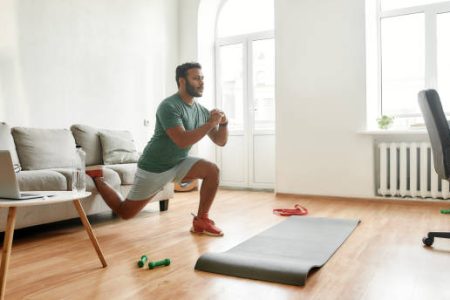
A dumbbell workout at home does not require a dedicated fitness room. In many cases, enough space to lie down comfortably and extend your arms without hitting furniture is sufficient. Before beginning, move loose objects, pets, cords, rugs that slide easily, and anything else that could create a tripping hazard. If you live in an apartment, choosing controlled exercises instead of jumping movements can also help you train without creating unnecessary noise for neighbours.
Your training surface matters as well. A dumbbell workout at home should take place on a stable surface that allows you to maintain balance. You can use an exercise mat for floor movements, but standing exercises should be performed where your feet feel secure. Good lighting and ventilation can also make the space more comfortable. The goal is not to create a perfect home gym. It is to create a small, safe area where you can exercise consistently.
Keep Your Setup Simple
For a beginner, useful equipment may include one light pair of dumbbells, one moderately challenging pair, an exercise mat, and a stable chair or bench. Adjustable dumbbells can save even more space. You can add resistance bands later, but you do not need to purchase many pieces of equipment before starting.
How To Choose The Right Dumbbell Weight
Choosing an appropriate weight is one of the most important parts of a dumbbell workout at home. The dumbbells should be challenging enough that the final few repetitions require effort, but not so heavy that your technique breaks down. A beginner may need different weights for different movements. Your legs can usually handle more resistance than smaller upper-body muscles, so one pair of dumbbells may not be ideal for every exercise.
When performing a dumbbell workout at home, focus on controlled repetitions rather than trying to lift the heaviest weight available. You should be able to complete your planned repetitions while maintaining stable posture and consistent movement. If you could easily perform many more repetitions, the resistance may eventually need to increase. If you cannot complete the movement properly from the first few repetitions, the dumbbells may be too heavy for your current level.
Let Technique Guide Your Weight Selection
Your exercise should look similar from the first repetition to the last. If your back begins rounding, your knees collapse inward, or you start using momentum to move the dumbbells, reduce the resistance or stop the set. Building good movement habits early is more useful than rushing toward heavier weights.
A Simple Full-Body Dumbbell Workout At Home
A beginner dumbbell workout at home can be built around several foundational movements rather than dozens of isolated exercises. Start with five to ten minutes of easy movement such as walking around your home, gentle bodyweight squats, shoulder circles, hip movements, and a few practice repetitions of the exercises you plan to perform. The warm-up should help you feel prepared rather than tired before the main workout begins.
For the main dumbbell workout at home, beginners can start with approximately two sets of each exercise and work within a comfortable repetition range such as 8 to 12 repetitions. Rest long enough between sets to regain control of your breathing and technique. As you become more experienced, you may progress toward three sets or increase resistance. You do not need to complete every session as quickly as possible. Controlled, repeatable training is the priority.
Goblet Squat
Hold one dumbbell close to your chest with both hands. Stand with your feet in a comfortable position and lower your hips by bending the knees and hips together. Keep your feet firmly planted and move only as low as you can while maintaining control. Push through your feet to return to standing. This exercise trains the thighs, hips, and lower body while teaching an important everyday movement pattern.
Dumbbell Romanian Deadlift
Hold the dumbbells in front of your thighs and keep a slight bend in your knees. Push your hips backward while allowing the dumbbells to travel down the front of your legs. Keep your spine controlled and stop when you feel tension through the back of your thighs without losing position. Drive the hips forward to return to standing.
One-Arm Dumbbell Row
Support one hand on a stable bench or chair if needed and hold a dumbbell in the opposite hand. Pull the weight toward your torso while keeping the shoulder controlled. Lower it slowly. Complete your repetitions on one side before switching. Rows strengthen the upper back and arms and can help balance pressing exercises in your routine.
Dumbbell Floor Press
Lie on your back with your knees bent and a dumbbell in each hand. Begin with your upper arms supported by the floor, then press the dumbbells upward until your arms are extended without forcefully locking the elbows. Lower the weights with control. The floor limits how far the arms can travel, which can make this a practical pressing movement for beginners training without a bench.
Reverse Lunge Or Supported Split Squat
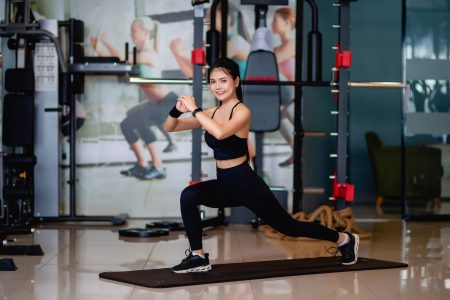
Hold dumbbells at your sides if appropriate and step one foot backward into a reverse lunge, or use a stationary split stance if that feels more comfortable. Bend both knees within a range you can control, then return to the starting position. Beginners can perform this exercise without dumbbells or hold a stable surface for support while learning the movement.
Dumbbell Suitcase Carry
Hold one dumbbell at your side and walk slowly through a clear space while keeping your torso upright. Avoid leaning toward or away from the weight. After a set distance or time, change hands. If your room is small, you can walk back and forth carefully. Carries challenge grip, posture, and core stability without requiring complicated movements.
Beginner Tips For Better Home Workouts
A dumbbell workout at home becomes more effective when you follow a few basic habits consistently. Beginners often believe they need more exercises, harder sessions, or new routines every week. In reality, repeating a small selection of useful movements gives you the chance to improve your technique and see whether your strength is actually progressing.
Your dumbbell workout at home should also be easy to fit into your normal schedule. Choose specific training days and prepare your workout area before you begin. Reducing friction makes it easier to follow through when motivation is lower. These simple tips can make home training more sustainable:
- Start with two or three full-body sessions per week
- Leave at least a day between challenging sessions when you are new
- Keep your dumbbells somewhere easy to access
- Write down the weights and repetitions you complete
- Prioritize smooth technique before adding more resistance
- Stop a set when you can no longer maintain good form
- Use a chair or stable support when learning balance-demanding movements
- Avoid adding too many exercises at once
- Progress one part of the workout at a time
- Keep the floor around your training area clear
- Add walking or another activity on non-strength days
- Give yourself several weeks before judging whether the routine is working
How Often Should Beginners Do Dumbbell Workouts At Home?
For many beginners, performing a dumbbell workout at home two or three times per week can provide enough practice to improve strength without making the schedule overwhelming. Full-body training works particularly well when you have only a few weekly sessions because you can practise major movement patterns regularly. More training is not automatically better if additional sessions make recovery difficult or cause you to stop following the routine.
Current Canadian guidance recommends adults accumulate at least 150 minutes of moderate-to-vigorous activity per week, along with light activity and regular muscle- and bone-strengthening activity. Your dumbbell workout at home can contribute to the strengthening portion of an active lifestyle, while walking, cycling, recreational activities, or other suitable movement can help you accumulate activity across the rest of the week.
Start With A Schedule You Can Actually Maintain
If you have not exercised consistently before, starting with two strength sessions can be more realistic than planning five. Once the routine becomes normal, you can decide whether another session is useful. A sustainable schedule gives your body and habits time to adapt.
How To Make A Dumbbell Workout Harder Without Buying More Equipment
Eventually, the dumbbells you started with may feel easier. This does not mean your dumbbell workout at home has stopped working. Increasing weight is only one way to progress. You can perform an additional repetition, add another set, increase your range of motion, slow down the lowering portion of an exercise, or use a more difficult variation. These methods can make the same equipment useful for longer.
Single-arm and single-leg exercises are particularly valuable in small spaces. A dumbbell workout at home might progress from a two-leg squat to a split squat, or from a two-arm movement to a one-arm version where appropriate. These exercises can increase the demand on individual muscles and stability without requiring a large collection of heavy dumbbells.
Change One Variable At A Time
Avoid increasing weight, repetitions, sets, and difficulty all at once. Progressing one variable makes it easier to see how your body responds. If you completed 10 controlled repetitions last week, you might aim for 11 or 12 before moving to a heavier weight.
Can You Combine Dumbbells And Bodyweight Exercises?
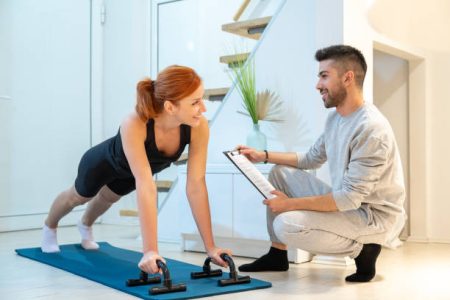
A dumbbell workout at home can easily include bodyweight strength workout movements. Push-ups, wall push-ups, glute bridges, planks, bodyweight squats, calf raises, and certain mobility exercises require little or no equipment. Combining these movements with dumbbells gives you more exercise options without filling your apartment with machines.
This approach is particularly useful when one pair of dumbbells is not suitable for every movement. Your dumbbell workout at home might use weights for Romanian deadlifts and rows while using bodyweight push-ups and glute bridges for other portions of the session. Good programming is about choosing exercises that create an appropriate challenge, not forcing a dumbbell into every movement simply because it is available.
A Home Workout Without Gym Equipment Can Still Be Structured
Even on days when you do not have access to your weights, you can complete a shorter bodyweight routine. This makes training more flexible during travel or when your normal workout space is unavailable.
Apartment Workout Tips For Small And Shared Spaces
A dumbbell workout at home is particularly practical for apartment and condo residents because most strength exercises do not require running, jumping, or large amounts of floor space. Controlled squats, hinges, presses, rows, lunges, and core exercises can be relatively quiet. This allows you to build a useful apartment workout without disturbing neighbours with repeated high-impact movements.
If you share your home with other people, schedule your dumbbell workout at home when you have enough room to move safely. Keep dumbbells away from walkways and place them down carefully rather than dropping them. A mat can make floor exercises more comfortable, but always make sure it does not slide during standing movements.
Use Your Available Space Instead Of Waiting For A Perfect Setup
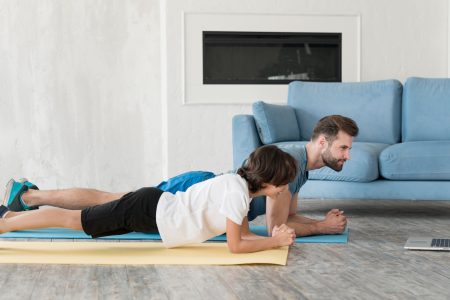
Many people delay home training because they believe they need a dedicated workout room. A clear area beside a couch or at the foot of a bed may be enough for many exercises. Consistent use of a modest space is more valuable than a perfect home gym that never gets built.
Common Beginner Mistakes To Avoid
One common mistake in a dumbbell workout at home is doing too much during the first week. Starting with long daily workouts can create excessive soreness and make the routine harder to maintain. Beginners generally benefit from starting with manageable training volume, learning movements, and adding difficulty gradually. Fitness should become part of your schedule rather than temporarily taking over your entire week.
Another common mistake is changing your dumbbell workout at home every session. Variety can be enjoyable, but constantly replacing exercises makes it difficult to practise technique and measure progress. Keep several foundational movements consistent for a few weeks. If your repetitions, control, or resistance improve, you have clear evidence that the training is moving forward.
Do Not Judge A Workout Only By Sweat Or Soreness
A productive strength session does not need to leave you exhausted. Strength progress is better evaluated through performance, such as completing more controlled repetitions, using a heavier dumbbell, improving an exercise variation, or performing movements with greater confidence.
Short Safety Note Before Starting
A dumbbell workout at home should be challenging but performed with control. Make sure the training area is clear, use weights you can handle safely, and stop if you experience sharp pain, dizziness, unusual shortness of breath, or another concerning symptom. Government of Canada guidance notes that people who are unsure about the type or amount of activity appropriate for them should consult a health professional.
If you have a medical condition, a recent injury, unexplained symptoms, significant movement limitations, or concerns about beginning exercise, speak with your doctor or another appropriate healthcare professional before starting a new program. A personal trainer can help with fitness programming and technique, but personal training does not replace medical diagnosis or treatment.
Safety Comes Before Progression
Adding weight is optional. Maintaining control is essential. If you are unsure about an exercise, use a simpler version until you understand the movement or seek professional instruction.
How A Personal Trainer Can Improve Your Home Routine
A dumbbell workout at home is convenient, but beginners may still struggle with choosing exercises, deciding how much weight to use, understanding technique, or knowing when to progress. A personal trainer can assess your starting point and turn your available equipment into a structured plan. This can save you from switching randomly between online workouts without knowing whether they match your goals.
Triat Fitness offers 1-on-1 In-Home Personal Training for clients who want personalized guidance in their own environment. A trainer can help you build a dumbbell workout at home around your current ability, available equipment, schedule, and goals. As Triat Fitness expands goal-specific services, a dedicated Weight Loss Personal Training page can become the primary internal destination for readers whose main objective is weight management.
Coaching Can Make A Small Space More Effective
Professional guidance does not require access to a commercial gym. A trainer can adjust exercises, resistance, repetitions, tempo, and session structure so your existing dumbbells continue supporting your progress.
Why Choose Triat Fitness
Triat Fitness helps beginners turn simple home equipment into structured training. If you have dumbbells but are unsure how to create a complete routine, professional coaching can remove the guesswork. Your dumbbell workout at home can be built around fundamental strength movements and progressed gradually based on how your technique and fitness improve.
With 1-on-1 In-Home Personal Training, the coach comes to a suitable home or condo training space, making professional instruction more convenient for clients who prefer not to travel to a commercial gym. Triat Fitness can also support different coaching needs through Partner In-Home Training (2-on-1) and Small Group Personal Training. The goal is to give clients a personalized plan that fits their environment and helps them stay consistent.
Get A Personalized Plan Instead Of Guessing
Your home, experience, equipment, schedule, and goals are unique. A personalized program can identify which exercises deserve priority and how they should progress. This allows your home routine to evolve as you become stronger instead of staying at the same difficulty indefinitely.
Start Simple And Build From There
A dumbbell workout at home can be one of the simplest ways to begin strength training. You do not need a dedicated gym room or dozens of machines. A small space, suitable dumbbells, several foundational exercises, and a consistent weekly schedule can provide a strong starting point. Goblet squats, Romanian deadlifts, rows, floor presses, lunges, and carries can form the foundation of a useful full-body routine.
Triat Fitness can help you turn that foundation into a personalized program. If you want a dumbbell workout at home that reflects your actual fitness level, equipment, and goals, 1-on-1 In-Home Personal Training can provide the technique coaching, progression, and accountability needed to move forward. Start with the equipment you have, build the habit first, and increase the challenge gradually as your confidence and strength improve.
Frequently Asked Questions
A dumbbell workout at home can be straightforward enough for a beginner while still providing room for long-term progression. The most important things are using appropriate resistance, learning correct technique, and following a schedule you can maintain.
Beginners should avoid feeling pressured to perform advanced movements or buy extensive equipment immediately. Start with basic strength patterns and gradually change the routine as those exercises become easier.
Is A Dumbbell Workout At Home Good For Beginners?
Yes. A dumbbell workout at home can be beginner-friendly because exercises, weights, repetitions, and range of motion can be adjusted to match your current fitness level.
How Often Should I Do A Dumbbell Workout At Home?
Many beginners can start with two or three full-body sessions each week while allowing appropriate recovery between challenging workouts.
What Exercises Should A Dumbbell Workout At Home Include?
A balanced routine can include squat, hinge, push, pull, lunge, carry, and core movements using exercises such as goblet squats, Romanian deadlifts, rows, and floor presses.
Can A Dumbbell Workout At Home Help Me Get Stronger?
Yes. Strength can improve when you train consistently and gradually increase the challenge through resistance, repetitions, sets, range of motion, or exercise difficulty.
Can I Do A Dumbbell Workout At Home In A Small Apartment?
Yes. Many dumbbell exercises require only enough room to stand, move your arms safely, and lie on the floor. High-impact jumping is not required for an effective strength routine.
Do I Need Heavy Dumbbells For A Dumbbell Workout At Home?
Not necessarily. Beginners can progress with moderate weights by improving technique, adding repetitions, slowing movements, or using more challenging variations before heavier resistance becomes necessary.
Can Triat Fitness Create A Personalized Dumbbell Workout At Home?
Yes. Triat Fitness can use 1-on-1 In-Home Personal Training to build a personalized routine based on your current ability, available equipment, training space, and fitness goals.