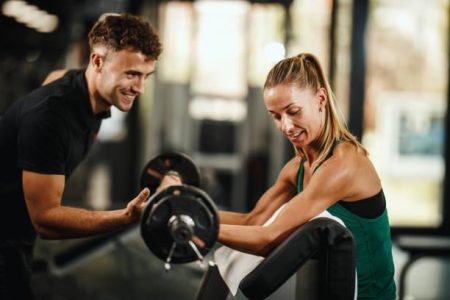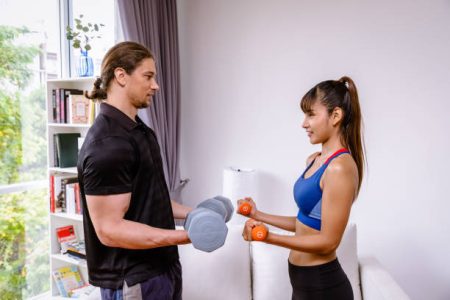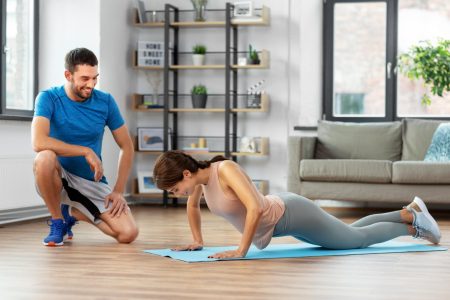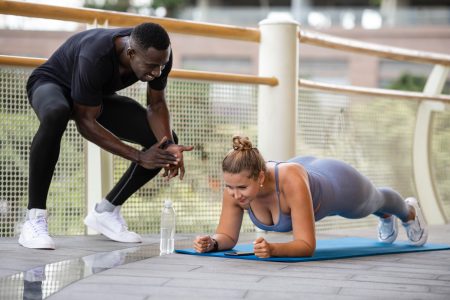
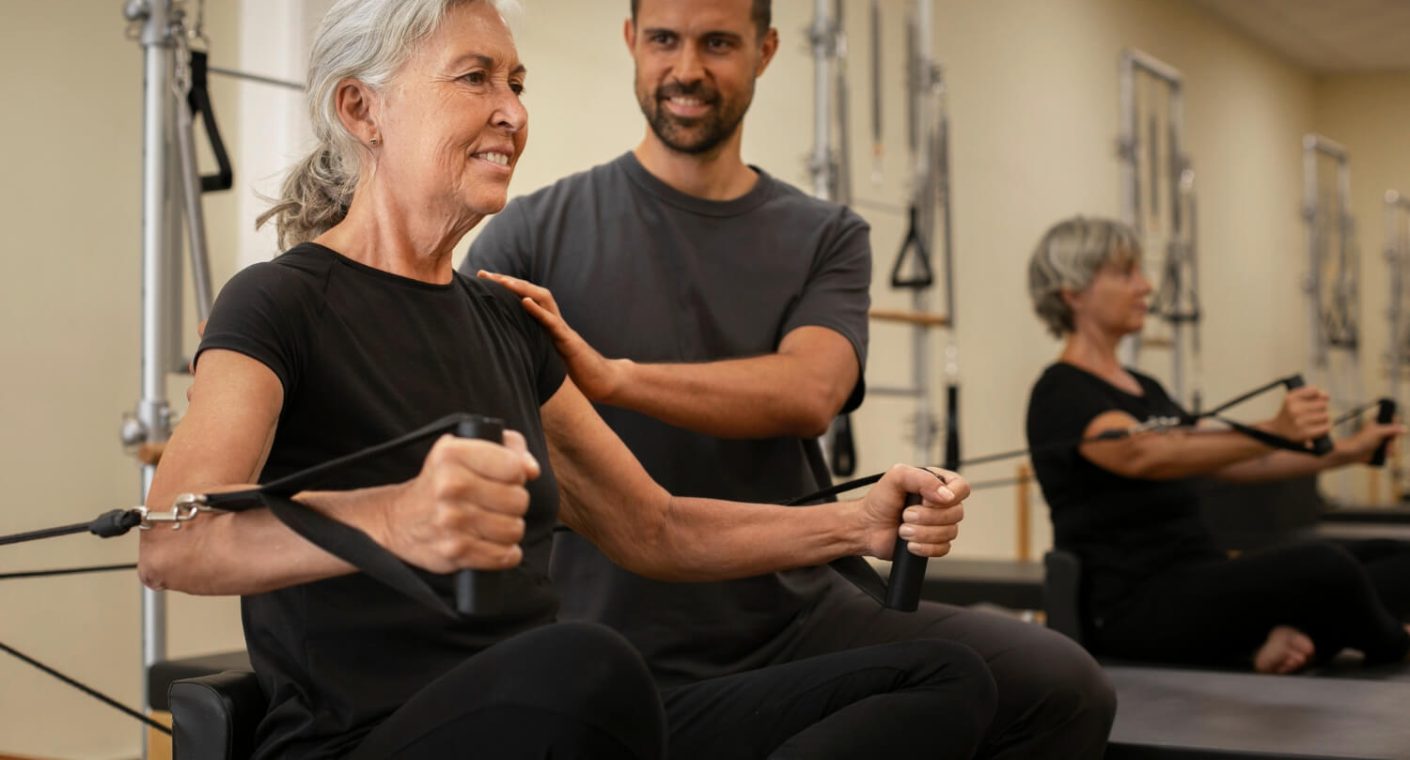
Staying active becomes increasingly important as we get older, but the way we exercise often needs to change. The goal may no longer be lifting the heaviest weight or completing the hardest workout. Instead, many people want to remain independent, move comfortably, improve balance, protect mobility, and maintain the strength needed for everyday activities. Personal training older adults can provide the professional guidance, exercise modifications, and accountability needed to pursue those goals safely and consistently.
At Triat Fitness, we believe fitness should support everyday life at every age. Personal training older adults focuses on building practical strength, better balance, improved mobility, and greater confidence through workouts that match each person’s current ability. Whether someone is returning to exercise after years of inactivity or simply wants a more structured approach to healthy aging, personalized coaching can make the process easier to understand and more sustainable.
Why Strength Training Matters As We Get Older
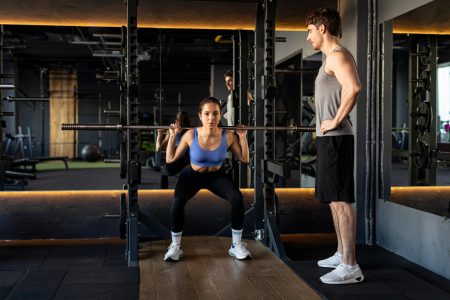
Personal training older adults places a strong emphasis on maintaining and improving strength because muscle capacity can influence many everyday tasks. Getting up from a chair, climbing stairs, carrying groceries, lifting household items, and walking comfortably all require strength. Regular resistance training can help older adults continue practising these movements in a controlled environment while gradually increasing the challenge as their fitness improves.
Strength training is also valuable because inactivity can make normal physical tasks feel more demanding over time. Personal training older adults provides a structured way to challenge muscles without relying on extreme workouts. The Government of Canada’s Physical Activity Tips For Older Adults encourages older adults to include activities that strengthen muscles and bones as part of an active lifestyle. A personal trainer can help translate broad recommendations into workouts that suit the individual’s ability, confidence, and daily routine.
Functional Strength Supports Everyday Independence
Personal training older adults often emphasizes movements that connect directly with daily life. Squats or sit-to-stands can support getting out of chairs, step-ups can strengthen the muscles used on stairs, and carrying exercises can prepare the body for groceries or household tasks. These functional movements make training feel more meaningful because improvements can often be noticed outside the workout itself.
How Personal Training Can Improve Balance And Stability
Balance is another major focus of personal training older adults because confidence in standing and walking can strongly influence independence. Balance is affected by strength, coordination, vision, reaction time, and familiarity with different movement patterns. A trainer may include supported balance drills, controlled stepping, heel-to-toe walking, single-leg variations, or exercises that strengthen the legs and core.
Personal training older adults should introduce balance work at an appropriate level rather than immediately asking someone to perform difficult unsupported exercises. A beginner may start while holding a stable surface and gradually reduce support as confidence develops. The Government of Canada’s Safe Living Guide For Seniors discusses home safety and fall prevention for older adults. Strength and balance work can form one part of a broader approach to maintaining safe mobility and confidence.
Balance Training Should Progress Gradually
Personal training older adults works best when balance exercises become more challenging only after basic control has improved. A trainer might begin with a wide stance, then gradually narrow the feet or introduce controlled stepping. This progression allows the client to practise safely while still creating enough challenge for improvement.
Confidence Is An Important Part Of Senior Fitness
Personal training older adults is not only about muscles and physical performance. Confidence can determine whether someone feels comfortable exercising, walking independently, using stairs, or trying new activities. Older adults who have been inactive for a long time may worry that they are too weak, too old, or too inexperienced to begin. A supportive trainer can help replace that uncertainty with a gradual series of achievable steps.
Confidence usually increases when people experience successful workouts repeatedly. Personal training older adults provides the opportunity to practise movements with professional guidance and immediate feedback. Rather than being expected to keep up with a crowded class or follow an unfamiliar routine alone, clients can move at their own pace. As exercises become more familiar, many people become more willing to challenge themselves and participate in other activities outside training sessions.
Small Improvements Can Build Big Confidence
Personal training older adults should recognize progress beyond weight lifted or repetitions completed. Standing more comfortably, walking farther, feeling steadier on stairs, learning a new exercise, or completing a session with less fatigue are all meaningful achievements. Recognizing these changes helps clients see that their effort is producing practical benefits.
What A Personal Trainer Should Assess Before Starting
Before beginning personal training older adults, a coach should learn about the client’s goals, current activity level, exercise history, past injuries, mobility concerns, medical considerations, and preferred training environment. This information helps the trainer choose appropriate exercises and establish realistic expectations. Older adults vary widely in fitness level, so age alone should never determine the difficulty of a program.
Personal training older adults should also respect the role of healthcare professionals. Personal trainers do not diagnose or treat medical conditions. If a client has significant health concerns, recent surgery, unexplained symptoms, or restrictions provided by a doctor or physiotherapist, those recommendations should guide training decisions. Clear communication between the client, trainer, and relevant healthcare professionals can help create a more appropriate exercise plan.
Start From Current Ability, Not Age
Personal training older adults should be individualized based on what a person can currently do. A physically active 70-year-old may be ready for a more challenging strength program than an inactive 55-year-old. A good trainer evaluates movement and ability instead of making assumptions based purely on age.
Signs Of A Good Older Adult Fitness Program
Personal training older adults should feel structured without being intimidating. The program should have clear goals, suitable exercise choices, appropriate rest periods, and gradual progression. A good coach explains why exercises are being performed and encourages clients to communicate whenever something feels uncomfortable or unclear.
Personal training older adults should also adapt from day to day. Sleep, stress, energy, joint stiffness, and other factors can affect performance. The trainer can adjust the workout without abandoning the overall goal. A well-designed program may include:
- Strength exercises for the legs, hips, back, chest, shoulders, and arms
- Balance and coordination practice
- Core stability exercises
- Mobility work based on individual needs
- Low-impact conditioning when appropriate
- Controlled exercise progression
- Longer rest periods when needed
- Exercise alternatives for joint discomfort or mobility limitations
- Regular progress tracking
- Functional movements connected with everyday activities
How Strength Training Can Be Modified For Older Adults
Personal training older adults does not require heavy barbells or complicated machines. Effective strength sessions can use dumbbells, resistance bands, cable machines, bodyweight movements, benches, chairs, and other simple equipment. The trainer can modify resistance, range of motion, repetitions, tempo, or exercise position to create an appropriate level of challenge.
For example, personal training older adults may begin with a sit-to-stand from a higher bench before progressing to a lower seat or adding resistance. A wall push-up might progress to an elevated push-up against a bench. A supported row may gradually become heavier as technique improves. This type of progression allows clients to build strength without being rushed into exercises that exceed their current ability.
Progressive Training Is Still Important At Any Age
Personal training older adults should not remain permanently easy. The body still needs an appropriate challenge to become stronger. Progress may happen more gradually, but a trainer should continue adjusting exercises as the client improves. Adding a small amount of weight, completing another repetition, or using a greater range of motion can all represent useful progression.
Mobility And Flexibility Should Support Daily Movement
Mobility is another important element of personal training older adults. Mobility refers to the ability to move joints through useful ranges with control. Limited ankle, hip, shoulder, or upper-back mobility can affect walking, reaching, getting dressed, and performing strength exercises. A trainer can include targeted mobility work where it supports the client’s goals and movement limitations.
Personal training older adults should not treat stretching as the only way to improve movement. Strength through comfortable ranges of motion can also support mobility. For example, controlled step-ups can build both leg strength and joint control, while light overhead pressing can improve confidence using the shoulders through an appropriate range. The goal is not extreme flexibility. It is comfortable, useful movement for everyday life.
Mobility Work Should Be Specific
Personal training older adults is more effective when mobility exercises address an actual need rather than filling time with random stretches. If a client struggles to reach overhead, the trainer may work on shoulder and upper-back movement. If stairs are difficult, ankle and hip mobility may receive more attention alongside strength training.
How Often Should Older Adults Work With A Trainer?
Personal training older adults can be scheduled one, two, or three times per week depending on goals, fitness level, recovery, schedule, and budget. Someone completely new to exercise may benefit from more frequent coaching initially because they are learning technique and building confidence. Another client may work with a trainer once or twice per week and complete additional walking or simple exercises independently.
The ideal frequency for personal training older adults is the one that can be maintained consistently. A plan that is too demanding may lead to missed sessions and frustration. A realistic schedule allows enough exercise to create progress while leaving enough recovery time between challenging workouts. Trainers can also suggest appropriate activity between sessions, such as walking or mobility work, when these activities fit the client’s needs and healthcare guidance.
Consistency Matters More Than An Extreme Schedule
Personal training older adults should aim for sustainable routines rather than short bursts of intense effort. Completing two well-planned workouts every week for months can be far more useful than attempting five sessions for two weeks and then stopping. Consistency gives the body time to adapt and allows exercises to become increasingly familiar.
In-Home Training Can Make Exercise More Accessible
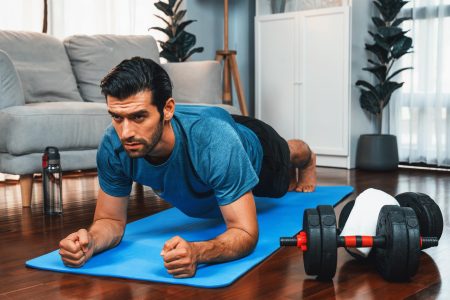
Personal training older adults can be particularly convenient when sessions happen at home or in a condo gym. Travel, weather, crowded facilities, and unfamiliar equipment can discourage some people from attending a commercial gym. In-home coaching removes many of these barriers and allows clients to exercise in a familiar environment.
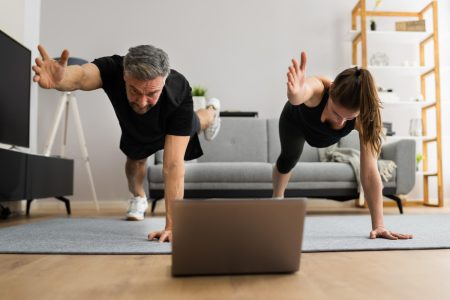
Triat Fitness offers 1-on-1 In-Home Personal Training for clients who want personalized coaching in a private setting. Partner In-Home Training (2-on-1) can be suitable for couples, friends, or family members who want to exercise together. Small Group Personal Training may appeal to people who enjoy social motivation and structured coaching. Personal training older adults becomes easier to maintain when the environment matches the client’s comfort level and lifestyle.
Familiar Environments Can Increase Comfort
Personal training older adults at home can help clients focus more closely on learning exercises without worrying about navigating a busy gym. A trainer can also show clients how to use chairs, stairs, resistance bands, dumbbells, or existing home equipment safely and effectively.
Nutrition, Hydration, And Recovery Matter Too
Personal training older adults works best when exercise is supported by appropriate recovery habits. Sleep, hydration, nutrition, and rest can all affect energy and workout quality. Older adults should avoid assuming that every session needs to be exhausting. A trainer can adjust intensity when energy is lower and gradually increase workload when recovery is going well.
Healthy eating also supports an active lifestyle. Canada’s Food Guide provides guidance on nutritious foods, hydration, and healthy eating habits for adults, including older adults. Personal training older adults does not require following an extreme diet. Sustainable habits such as eating balanced meals, drinking enough water, and maintaining appropriate nutrition can make training easier to support over time.
Recovery Is Part Of Progress
Personal training older adults should include enough recovery between challenging sessions. Rest does not mean the program is ineffective. It gives the body time to adapt to training. Light activity such as walking may still be appropriate on some recovery days depending on the individual’s needs.
Why Choose Triat Fitness
Triat Fitness approaches personal training older adults with a focus on individual ability, safe progression, and practical goals. We understand that older clients may want to improve strength, balance, mobility, confidence, or general fitness without being pushed into an aggressive one-size-fits-all program. Each training plan can be adapted to the client’s starting level, goals, training environment, and relevant healthcare guidance.
Triat Fitness also offers flexible coaching formats including 1-on-1 In-Home Personal Training, Partner In-Home Training (2-on-1), and Small Group Personal Training. Whether you prefer private attention, want to train with a spouse or friend, or enjoy the motivation of a small group, personal training older adults can be structured around the environment that helps you feel most comfortable and consistent.
Coaching That Respects Your Starting Point
Triat Fitness focuses on helping clients build forward from their current ability. There is no expectation that you need to be fit before beginning. A trainer can establish a realistic starting point, teach foundational movements, and gradually introduce more challenging exercises as strength and confidence improve.
Build Strength For The Life You Want To Keep Living
Personal training older adults can provide a structured way to build strength, practise balance, improve mobility, and increase confidence with everyday movement. The purpose is not simply to complete workouts. It is to support the physical abilities that help people remain active, independent, and engaged in the activities they enjoy.
Triat Fitness can help older adults begin with a training format that suits their needs through 1-on-1 In-Home Personal Training, Partner In-Home Training (2-on-1), or Small Group Personal Training. If you are considering personal training older adults for yourself or a family member, starting with professional guidance can make the process more comfortable and easier to maintain. The right program can help turn exercise into a practical investment in strength, balance, confidence, and long-term activity.
Frequently Asked Questions
Personal training older adults should be individualized because people enter training with different levels of strength, mobility, balance, exercise experience, and health considerations. The best program begins with an appropriate assessment and progresses gradually as the client becomes more confident.
Older adults do not need to meet a particular fitness standard before beginning. Professional coaching can help identify a suitable starting point and provide the structure needed to develop a sustainable routine.
- What Is Personal Training Older Adults Focused On?
Personal training older adults commonly focuses on strength, balance, mobility, coordination, confidence, and the physical abilities needed for everyday activities. - Is Personal Training Older Adults Safe For Beginners?
Yes, it can be appropriate for beginners when exercises are individualized and relevant medical restrictions or healthcare recommendations are respected. - How Often Should Personal Training Older Adults Sessions Take Place?
Many clients train one to three times per week depending on fitness level, goals, recovery, schedule, and the amount of independent activity they complete. - Can Personal Training Older Adults Help Improve Balance?
Yes. A trainer can include supported balance drills, leg strengthening, stepping exercises, core work, and gradual coordination challenges based on the client’s ability. - Does Personal Training Older Adults Require A Gym Membership?
No. Training can often take place at home, in a condo gym, or another suitable space using bodyweight movements, resistance bands, dumbbells, and basic equipment. - Can Couples Participate In Personal Training Older Adults Together?
Yes. Partner In-Home Training (2-on-1) can be suitable for spouses, friends, or family members who want professional coaching and shared accountability. - Why Choose Triat Fitness For Personal Training Older Adults?
Triat Fitness provides personalized coaching, gradual progression, flexible training formats, and a practical approach designed to help older adults improve strength, balance, mobility, and confidence.