Hiring an in-home personal trainer can feel like the perfect solution when you want expert coaching without commuting to a gym. It gives you structure, accountability, and a personalized workout plan in the comfort of your own space. For busy professionals, parents, beginners, and anyone who dislikes crowded gym environments, this option can make fitness feel much more realistic. Instead of trying to fit your life around a gym schedule, training comes to you.
At Triat Fitness, we help clients build consistent routines through coaching that matches their lifestyle. An in-home personal trainer can guide your form, create workouts around your goals, and adjust sessions based on your space, equipment, and fitness level. Whether you are starting fresh, returning after time off, or trying to improve strength and body composition, this guide explains how in-home training works, what to expect, and how to get the most from each session.
What Is An In-Home Personal Trainer?
An in-home personal trainer is a fitness coach who comes to your home, condo gym, or preferred private space to lead structured workouts. Instead of travelling to a commercial gym, you receive coaching where you are most comfortable. The trainer designs sessions around your goals, movement ability, available equipment, and schedule. This makes the training experience more convenient and easier to maintain, especially if time, confidence, or travel has been holding you back.
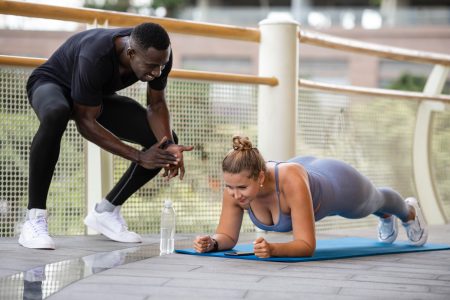
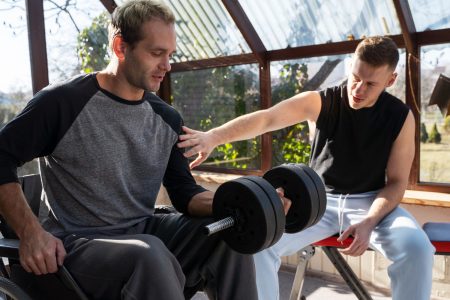
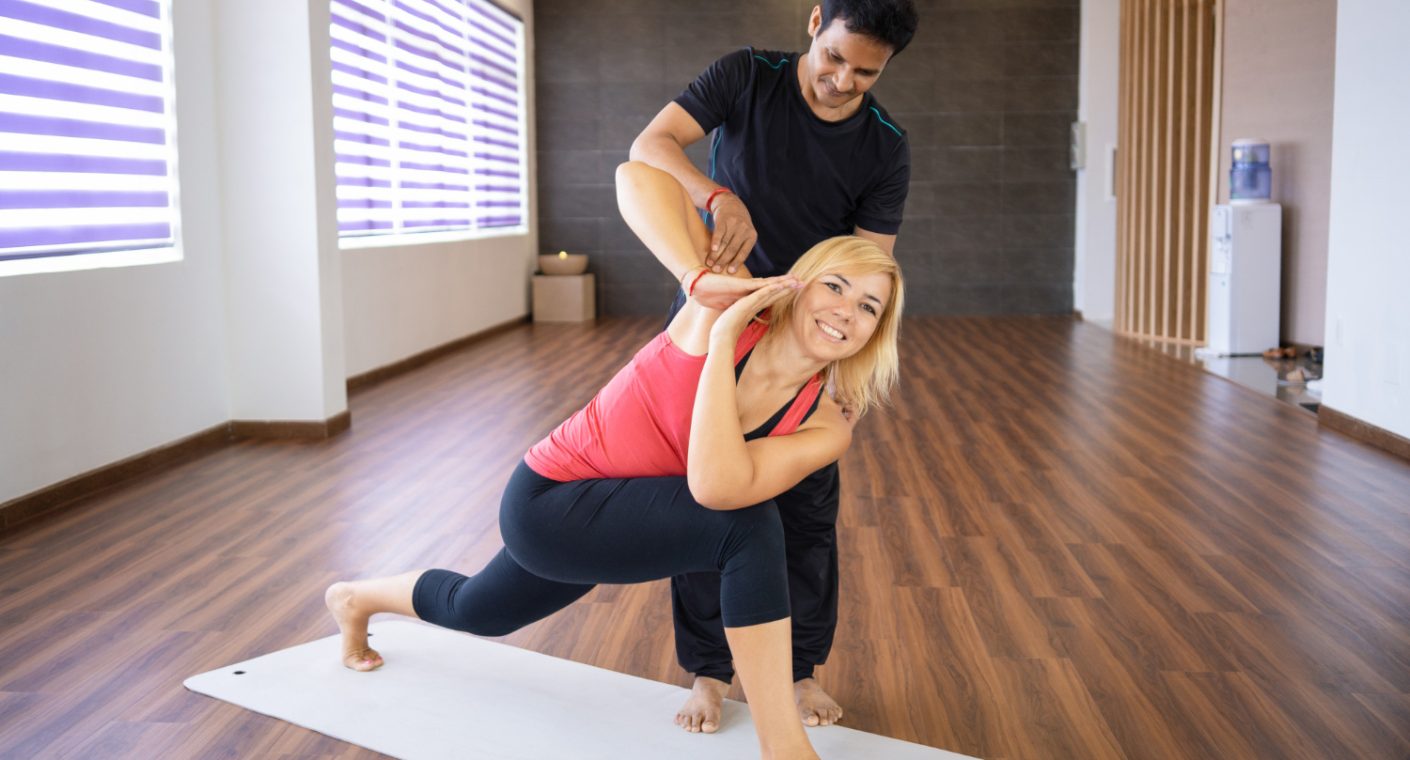
An in-home personal trainer does more than count reps. A good coach teaches proper form, selects exercises that fit your body, tracks your progress, and adjusts your plan over time. The experience can include strength training, mobility work, conditioning, balance, core stability, and habit guidance. For many people, the biggest benefit is that the trainer removes guesswork. You know what to do, how to do it, and how to progress safely.
How In-Home Training Is Different From A Regular Gym Session
An in-home personal trainer creates a more personalized and private experience than most gym workouts. In a gym, you may need to wait for equipment, deal with crowds, or follow a routine that does not match your exact goals. At home, your session is built around your environment. If you have dumbbells, bands, a mat, or a condo gym, the trainer uses those tools. If you have no equipment, the trainer can still design an effective workout using bodyweight exercises and portable equipment.
Who Should Consider An In-Home Personal Trainer?
An in-home personal trainer is a strong choice for people who want convenience, privacy, and accountability. If you have a busy schedule, eliminating travel time can make the difference between staying consistent and skipping workouts. If you feel uncomfortable in crowded gyms, home training allows you to build confidence in a private setting. If you are a beginner, having a coach beside you helps you learn proper technique from the start.
An in-home personal trainer is also useful for people who need a plan that adapts to real life. Some clients train in a living room, some in a basement, some in a condo gym, and some outdoors when weather allows. The best coaching is flexible enough to work with the space you have. Triat Fitness also supports different coaching formats, including 1-on-1 In-Home Personal Training, Partner In-Home Training (2-on-1), and Small Group Personal Training for clients who want different levels of support and accountability.
The Best Fit For Beginners And Busy Adults
An in-home personal trainer can be especially helpful if you are starting fitness after a long break or feel unsure about exercise. Beginners often need more than motivation. They need coaching, safe progressions, and a clear weekly structure. Busy adults also benefit because the session is scheduled and convenient, which reduces excuses. When training is easier to start, it becomes easier to repeat, and repetition is what creates results.
How The First Session Usually Works
Your first session with an in-home personal trainer usually begins with a conversation about your goals, schedule, health history, exercise experience, and available space. The trainer may ask about past injuries, current limitations, sleep, stress, and what kind of workouts you enjoy or dislike. This helps the coach design a plan that feels realistic instead of overwhelming. The goal is not to test how hard you can work on day one. The goal is to understand where you are starting.
After the conversation, an in-home personal trainer will usually take you through movement basics. This may include squats, hinges, pushes, pulls, balance work, core control, and light conditioning. The trainer watches how you move and adjusts exercises based on your comfort and ability. Canadian public health guidance encourages adults to be active regularly and include muscle-strengthening activities as part of a healthy routine. You can use the external resource Physical Activity Tips For Adults (18 To 64 Years) from the Government of Canada for additional education.
What Your Trainer Looks For During Assessment
An in-home personal trainer may look at posture, range of motion, balance, strength differences between sides, exercise confidence, and how your body responds to basic movements. This is not about judging you. It is about building the right starting point. If squats feel difficult, the trainer may start with chair squats. If push-ups are too challenging, the trainer may use incline variations. If balance feels limited, the trainer may add stability work before heavier strength exercises.
What Equipment Do You Need At Home?
You do not need a full gym to work with an in-home personal trainer. Many effective workouts can be done with a mat, a pair of dumbbells, resistance bands, and a small open area. If you have a condo gym, your trainer may use dumbbells, benches, cables, treadmills, bikes, or machines. If you do not have equipment yet, your coach can recommend simple tools based on your goals and budget.
An in-home personal trainer can also bring portable equipment when appropriate, depending on the service setup. The important thing is that your workouts should match your environment. A small space can still support strength training, mobility, core work, and conditioning. The best plan is not the one with the most equipment. It is the one you can follow consistently.
Best Beginner Equipment For Home Training
If you are starting from scratch, an in-home personal trainer may recommend adjustable dumbbells, resistance bands, a yoga mat, and possibly a bench if you have room. These tools allow you to train the full body with movements like goblet squats, Romanian deadlifts, floor presses, rows, lunges, carries, and core exercises. You can add equipment over time as your strength improves. Starting simple keeps the process affordable and less intimidating.
What A Typical In-Home Training Session Includes
A typical session with an in-home personal trainer starts with a warm-up. This prepares your joints, muscles, and nervous system for training. The warm-up may include mobility drills, light cardio, bodyweight movements, and practice sets. After that, the trainer guides you through the main workout, which usually focuses on strength patterns like squats, hinges, pushes, pulls, and core stability. Depending on your goal, the session may also include conditioning, balance training, or flexibility work.
An in-home personal trainer also manages pacing and rest. Many people either rest too long and lose focus or rush too quickly and lose form. A coach helps you work at the right intensity. The session usually ends with a short cool-down, breathing work, or mobility. Hydration also matters for performance and recovery. Canada’s Food Guide offers a helpful external resource on physical activity and healthy eating, including guidance around water and exercise.
How Sessions Are Personalized To Your Goals
An in-home personal trainer builds sessions differently depending on your goals. If you want fat loss, sessions may combine strength training with conditioning and daily movement guidance. If you want strength, sessions focus on progressive resistance and form. If you want better mobility, the plan may include more movement quality and flexibility work. If you are training for general health, the routine may combine strength, cardio, balance, and recovery habits.
What To Prepare Before Your Trainer Arrives
An in-home personal trainer can make the process easy, but a little preparation helps your session run smoothly. You do not need a perfect home gym or a large space. You just need a safe area, comfortable clothing, and a mindset to learn. Preparing ahead of time also reduces stress, especially if you are new to training.
An in-home personal trainer will usually guide the session from start to finish, but these simple steps help you get more value from your appointment. The easier it is to begin, the more consistent your routine becomes. Consistency is where the biggest results come from.
- Clear a safe workout space before the session
- Wear comfortable workout clothes and supportive shoes
- Keep water nearby
- Have a towel ready if needed
- Move fragile items away from the training area
- Share any soreness, pain, or energy changes with your trainer
- Keep your phone away unless needed for emergencies
- Be open to feedback and form corrections
How Often Should You Train With An In-Home Personal Trainer?
Most people do well training with an in-home personal trainer two to three times per week, especially when the goal is strength, weight loss, or consistency. Two sessions per week can work well when paired with walking, mobility, or independent workouts on other days. Three sessions per week is often ideal for beginners because it creates enough repetition to learn movements and build momentum. The right frequency depends on your schedule, budget, recovery, and goals.
An in-home personal trainer can also build a plan for what to do between coached sessions. This might include walking goals, stretching, simple cardio, or a short workout to complete on your own. The goal is to make fitness part of your weekly routine, not just something that happens during appointments. When coached sessions and independent habits work together, progress becomes more consistent.
Why Consistency Matters More Than Training Every Day
An in-home personal trainer will usually prioritize consistency over extreme effort. Training every day is not necessary for most people, especially beginners. A balanced routine with strength sessions, movement days, and recovery days is more sustainable. If you can train consistently for 8 to 12 weeks, you are much more likely to see meaningful changes in strength, energy, body composition, and confidence.
How In-Home Training Helps With Accountability
An in-home personal trainer creates accountability because your workout is scheduled and someone is showing up for you. This removes the daily debate about whether you feel motivated. You already have an appointment. That structure helps people who struggle with stop-and-start fitness patterns. Instead of relying on willpower, you rely on a system.
An in-home personal trainer also keeps you honest about effort and progress. A coach can tell when you are ready to increase weight, when you need more rest, and when your form needs adjustment. This feedback helps you avoid two common mistakes: doing too little to create progress or doing too much and burning out. Accountability is not pressure. It is support that keeps you moving forward.
How Partner Training Adds Extra Motivation
An in-home personal trainer can also coach two people together through Partner In-Home Training (2-on-1). This option works well for couples, friends, siblings, or family members who want to train together. You share the session, but a good coach can still adjust exercises for each person’s level. Partner training adds social accountability and can make sessions more enjoyable while still keeping the structure of professional coaching.
Common Mistakes To Avoid With In-Home Training
One common mistake is assuming an in-home personal trainer can only help if you have a big space or lots of equipment. In reality, effective training can happen in a small area with simple tools. Another mistake is expecting immediate transformation after a few sessions. Coaching creates structure, but results come from repeated effort over time. The first few weeks are about learning, building consistency, and improving form.
Another mistake is not communicating with your trainer. An in-home personal trainer can adjust the plan better when you share how you feel, what hurts, what feels too easy, and what challenges your schedule. Good coaching is a partnership. The more honest you are, the better your plan becomes.
What To Do If You Feel Nervous Before Starting
Feeling nervous before meeting an in-home personal trainer is normal, especially if you are new to fitness. A good trainer will not judge your starting point. Their job is to help you begin safely and progress from there. You can ask questions, request modifications, and move at a pace that feels appropriate. Confidence grows through action, and the first session is simply the first step.
How Triat Fitness Supports Different Training Needs
Triat Fitness offers flexible coaching options for clients with different goals, schedules, and comfort levels. If you want the most personalized approach, 1-on-1 In-Home Personal Training gives you direct coaching in your home or condo gym. If you want to train with someone else, Partner In-Home Training (2-on-1) adds shared motivation and accountability. If you prefer group energy with coaching, Small Group Personal Training can be a strong fit.
An in-home personal trainer from Triat Fitness helps turn fitness from a vague goal into a clear routine. Instead of guessing what workout to do, you follow a plan that is built around your body and your space. Instead of wondering whether you are doing exercises correctly, you get real-time coaching. Instead of restarting every few weeks, you build a routine that is easier to maintain.
Choosing The Right Service Format
If you want privacy and maximum customization, 1-on-1 In-Home Personal Training is usually the best fit. If you want to train with a partner and reduce cost while staying accountable, Partner In-Home Training (2-on-1) is a strong option. If you want community, coaching, and an energetic environment, Small Group Personal Training may be ideal. The right choice depends on what helps you show up consistently.
Why Choose Triat Fitness
Triat Fitness understands that fitness needs to fit real life. An in-home personal trainer can make training more convenient, but coaching quality is what makes it effective. Triat Fitness focuses on safe movement, structured programming, gradual progression, and accountability. Whether you are a beginner, a busy professional, or someone returning after time away, the goal is to help you build strength and confidence in a way that feels realistic.
Triat Fitness also gives you options. You can choose 1-on-1 In-Home Personal Training for private customized coaching, Partner In-Home Training (2-on-1) for shared accountability, or Small Group Personal Training for coached structure with group motivation. With the right support, an in-home personal trainer can help you remove excuses, train with better form, and stay consistent long enough to see real results.
Your Next Step With Triat Fitness
If you are considering an in-home personal trainer, start by thinking about your biggest barrier. Is it time, confidence, accountability, equipment, or not knowing what to do? Once you know the barrier, choosing the right coaching format becomes easier. Triat Fitness can help you build a plan that fits your home, your goals, and your schedule.
The next step is to commit to a short starter phase. Book your sessions, follow the plan for four weeks, and track your consistency. Once you build the habit of showing up, progress becomes much easier to maintain.
In-Home Training Makes Fitness More Realistic
An in-home personal trainer can be one of the most practical ways to start or restart your fitness routine. You get expert coaching, privacy, convenience, accountability, and a plan designed around your real space. You do not need a perfect home gym. You need a safe training area, a clear goal, and a coach who knows how to help you progress.
Triat Fitness helps clients make fitness realistic through 1-on-1 In-Home Personal Training, Partner In-Home Training (2-on-1), and Small Group Personal Training. If you want to stop guessing and start training with structure, an in-home personal trainer can help you take the next step with confidence.
Frequently Asked Questions
- What does an in-home personal trainer do?
An in-home personal trainer creates customized workouts, coaches your form, tracks progress, and helps you train safely in your home or condo gym. - Do I need equipment for an in-home personal trainer?
No, an in-home personal trainer can design workouts using bodyweight, dumbbells, bands, or portable equipment based on your space and goals. - How often should I see an in-home personal trainer?
Most people work with an in-home personal trainer two to three times per week for consistency, strength progress, and accountability. - Is an in-home personal trainer good for beginners?
Yes, an in-home personal trainer is excellent for beginners because you get private coaching, safe progressions, and clear guidance. - Can an in-home personal trainer help with weight loss?
Yes, an in-home personal trainer can support weight loss through strength training, conditioning, movement goals, and consistent accountability. - What Triat Fitness service is best for private home coaching?
1-on-1 In-Home Personal Training is best for private coaching, while Partner In-Home Training (2-on-1) is great for shared accountability. - Can I train with a friend using an in-home personal trainer?
Yes, Partner In-Home Training (2-on-1) allows two people to train together with an in-home personal trainer while still receiving coached guidance.