
Choosing a personal trainer is an important decision because you are trusting someone to guide your exercise, monitor your progress, correct your technique, and help you work toward goals that may affect your long-term health and confidence. A trainer may look professional on social media or have an impressive physique, but those things alone do not tell you whether they have appropriate training, insurance, communication skills, or a coaching style that suits you. Understanding how to choose a personal trainer helps you evaluate the person behind the marketing before committing to a program.
At Triat Fitness, we believe that choosing a coach should involve more than finding someone who can create a difficult workout. Good coaching includes personalized programming, clear communication, appropriate exercise progression, professional boundaries, and attention to safety. If you are wondering how to choose a personal trainer in the GTA, this guide explains the certifications, insurance questions, coaching qualities, and practical details worth reviewing before you start.
Start By Understanding What You Actually Need From A Trainer
Before comparing credentials or interviewing coaches, think carefully about why you want professional help. Learning how to choose a personal trainer becomes easier when your own goals are clear. One person may want to build basic strength after years of inactivity, while another may want help with weight management, mobility, consistency, athletic performance, or confidence using gym equipment. Some clients mainly need accountability, while others need detailed form coaching and a structured program that removes the guesswork from training.
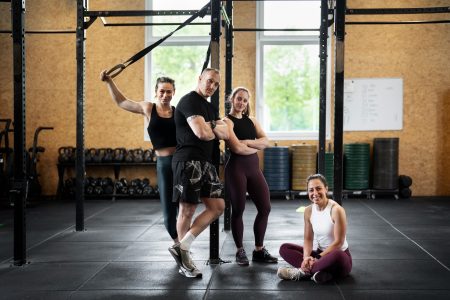
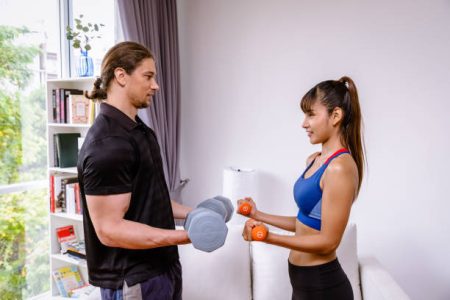
Your lifestyle matters too. When considering how to choose a personal trainer, decide where and how you realistically want to exercise. You might prefer 1-on-1 In-Home Personal Training because commuting to another facility makes consistency difficult. You might enjoy Partner In-Home Training (2-on-1) with a spouse or friend, or Small Group Personal Training if social motivation helps you stay engaged. Identifying these preferences first makes it easier to compare trainers based on whether they can actually provide the type of experience you need.
Write Down Your Three Most Important Goals
A useful first step in how to choose a personal trainer is writing down three outcomes you want from coaching. These might include exercising consistently three days a week, improving strength, feeling more confident with resistance training, or becoming more active. Bring those goals to your consultation and ask the trainer how they would structure the first several weeks around them. Their response can reveal whether they listen carefully and personalize their approach or immediately offer the same program they give everyone else.
Look Carefully At Personal Trainer Certifications
Certifications are an important part of how to choose a personal trainer, but clients should look beyond the word “certified.” Different organizations have different education requirements, examinations, continuing education standards, and scopes of practice. For example, CSEP’s Certified Personal Trainer designation has post-secondary education prerequisites, practical and theory examinations, and first aid and CPR requirements. Other recognized Canadian fitness organizations use their own certification systems. Instead of assuming every credential represents the same education, ask the trainer which organization issued it and whether the certification is currently active.
You should also understand the difference between certification and government regulation. Ontario explains that regulated professions have legally established requirements and regulatory bodies, while non-regulated occupations may instead use professional associations and voluntary certifications. This distinction is useful when learning how to choose a personal trainer because a certification should be evaluated based on who issued it, what standards were required, and whether the trainer maintains the credential.
Ask What The Certification Actually Required
When discussing how to choose a personal trainer, do not feel uncomfortable asking about education. A professional coach should be able to tell you who certified them, what continuing education they complete, and whether they maintain current CPR or first aid credentials where applicable. The purpose is not to interrogate the trainer. It is to understand whether their professional preparation matches the type of coaching you need and whether they stay current rather than relying only on a certificate earned years ago.
Verify Insurance And Professional Protection
Insurance is another important factor in how to choose a personal trainer. Professional liability insurance can help protect both the trainer and client when coaching services are delivered within the trainer’s professional scope. Coverage arrangements differ among trainers and certification organizations, so it is reasonable to ask whether the trainer carries active professional liability insurance and, when applicable, commercial general liability coverage for the environments in which they train clients.
Insurance should also make you think about professional boundaries. Learning how to choose a personal trainer means understanding what fitness professionals should and should not do. A trainer should not present themselves as a physician, physiotherapist, dietitian, or another regulated healthcare professional unless they separately hold the necessary qualifications. CSEP, for example, defines a formal scope of practice for its certified personal trainers and connects insurance coverage to activities performed within that scope.
Ask Whether Coverage Applies Where You Train
If you plan to train at home, in a condo gym, at a studio, or another location, ask whether the coach is appropriately insured for their services. This is particularly relevant when figuring out how to choose a personal trainer who travels to clients. You may also need to check your condo corporation’s rules because some buildings have policies regarding outside trainers using shared fitness facilities. A professional coach should be comfortable discussing these practical issues before sessions begin.
Evaluate The Trainer’s Assessment And Programming Process
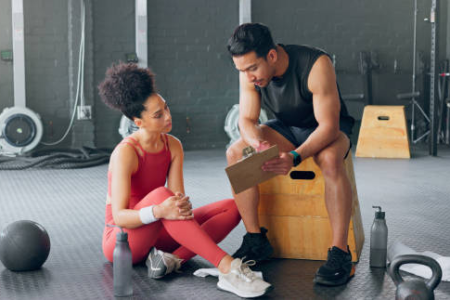
A major part of how to choose a personal trainer is understanding what happens before the hard workouts start. A strong trainer should ask about your exercise history, goals, injuries, activity level, preferences, schedule, and relevant health considerations. They may also observe foundational movements and discuss what equipment you have available. This information helps them establish a reasonable starting point instead of assuming that every new client needs the same workout.
Programming should then develop from that assessment. When deciding how to choose a personal trainer, ask how the coach plans workouts across several weeks rather than asking only what today’s session will contain. Good programming should include progression, exercise modifications, recovery considerations, and a method for tracking improvement. Canada’s current physical activity guidance recommends that adults aged 18 to 64 work toward at least 150 minutes of moderate-to-vigorous activity per week, along with regular light activity and muscle- and bone-strengthening work. A trainer can help translate broad recommendations into a routine appropriate for your starting level.
Look For Progression Instead Of Random Workouts
Understanding how to choose a personal trainer means recognizing that sweating more does not automatically equal better programming. Ask how the trainer decides when to increase resistance, repetitions, range of motion, exercise difficulty, or training volume. You should see some connection between one session and the next. Constantly performing completely different exercises may feel entertaining, but a structured program makes progress much easier to measure.
Questions To Ask A Personal Trainer Before You Start
Knowing what to ask can simplify how to choose a personal trainer. A consultation is your opportunity to evaluate more than personality. Listen to how clearly the trainer explains their process, whether they ask thoughtful questions about you, and whether their answers sound realistic. Be cautious if someone guarantees dramatic results, pressures you to commit immediately, dismisses medical concerns, or seems unwilling to explain their credentials and approach.
The trainer should also be interviewing you. A professional coach needs information before deciding how to train you safely and effectively. When learning how to choose a personal trainer, take note if the conversation focuses only on selling sessions instead of understanding your goals. Useful questions include:
- Which personal training certification do you currently hold?
- Is your certification active and maintained through continuing education?
- Do you maintain professional liability insurance?
- Do you hold current first aid and CPR credentials where applicable?
- What type of clients do you work with most often?
- How do you assess a new client’s starting point?
- How do you modify exercises for different abilities?
- How do you track progress over several weeks or months?
- What happens if an exercise causes discomfort?
- How do you handle clients with previous injuries or medical restrictions?
- Do you provide a structured program or decide workouts session by session?
- Can you train clients in homes and condo gyms?
- How do you communicate between sessions?
- What should I expect during the first month?
- How will you know when my program needs to change?
Pay Attention To Communication And Coaching Style
Qualifications matter, but how to choose a personal trainer also involves evaluating communication. An excellent coach should be able to explain an exercise without making you feel confused or embarrassed. They should give useful feedback, answer questions respectfully, and adapt their explanations to how you learn. Some clients respond well to energetic coaching, while others prefer a calm, instructional approach. Neither style is universally better, but the trainer’s personality should make you feel comfortable enough to communicate openly.
Communication becomes particularly important when something does not feel right. When considering how to choose a personal trainer, ask yourself whether you would feel comfortable telling this person that an exercise hurts, that you are unusually tired, or that you do not understand an instruction. A trainer who ignores feedback or encourages clients to push through concerning pain can create unnecessary risk. Good coaching should challenge you appropriately while recognizing that exercise intensity and safety are not the same thing.
Notice Whether The Trainer Listens Before Giving Advice
One of the easiest ways to judge how to choose a personal trainer is to notice how much the coach listens during your first conversation. If you explain your goals and the trainer immediately redirects the conversation toward their preferred program, the fit may not be ideal. Personalized coaching begins with understanding the client. The trainer should be able to explain how your goals and current ability affect the plan they recommend.
Make Sure The Trainer Understands Scope Of Practice
Professional boundaries should be part of every discussion about how to choose a personal trainer. Trainers are fitness professionals, not substitutes for physicians or rehabilitation practitioners. If you report an unexplained injury, significant pain, or symptoms outside the trainer’s scope, an appropriate coach should recommend that you seek guidance from a qualified healthcare professional instead of attempting to diagnose the issue themselves.
The same principle applies to nutrition and specialized health advice. Different fitness credentials have different permitted scopes, and trainers should stay within the boundaries of their education and professional role. This is another reason how to choose a personal trainer should include questions about qualifications and referral practices. A trustworthy coach knows when they can help directly and when another professional should become involved.
Responsible Trainers Are Comfortable Making Referrals
A referral does not mean your trainer lacks knowledge. It often demonstrates professionalism. If a coach refers you to a physiotherapist, physician, registered dietitian, or another qualified professional when appropriate, it shows respect for professional boundaries. Once you receive appropriate guidance, your trainer can often adapt your fitness program within those recommendations.
Consider Experience With Clients Like You
Experience should be evaluated in context when deciding how to choose a personal trainer. Someone can have many years in the industry but limited experience with your specific needs. If you are a beginner, ask whether the trainer regularly works with people who are new to strength training. If you are an older adult, ask about their experience adjusting workouts for balance, mobility, and functional strength. If you are returning after rehabilitation, ask how they work within guidance provided by healthcare professionals.
You should also consider training environment experience. A coach who works primarily in a fully equipped commercial gym may approach programming differently from someone experienced in home and condo settings. Triat Fitness focuses on training clients in homes, condo gyms, private studio environments, and online, and its website describes its coaching team as certified, insured, and background checked. When learning how to choose a personal trainer for convenient GTA coaching, experience working effectively with limited space and different equipment setups can be particularly valuable.
Ask For Examples Without Expecting Identical Results
Testimonials and examples can help when researching how to choose a personal trainer, but another client’s outcome should never be treated as a guarantee for you. Instead, ask how the trainer approached clients with similar starting points or obstacles. The useful information is the coaching process, not a dramatic before-and-after photograph.
Why Choose Triat Fitness
Triat Fitness takes a personalized approach to helping GTA adults find coaching that works with their lifestyle. The company’s website describes its coaches as certified, insured, and background checked, with training available at home, in condo gyms, at its private North York studio, and online. Sessions are designed around the client’s goals, available equipment, and fitness level rather than using one identical workout for everyone.
For clients learning how to choose a personal trainer, flexibility also matters. Triat Fitness offers 1-on-1 In-Home Personal Training for individualized coaching, Partner In-Home Training (2-on-1) for two people who want shared accountability, and Small Group Personal Training for clients who prefer a more social format. The goal is to match the coaching environment to your needs so consistency becomes easier rather than forcing your lifestyle around an inconvenient fitness routine.
Begin With A Conversation About Your Goals
The first step should be understanding whether the trainer and client are a good fit. Explain your goals, current activity level, past challenges, schedule, and preferred training environment. From there, Triat Fitness can help identify an appropriate coaching format and a practical starting point instead of expecting you to know exactly what program you need before your first consultation.
Choose A Trainer You Can Trust And Work With Consistently
Learning how to choose a personal trainer means looking beyond appearance, social media popularity, and workout intensity. Review the trainer’s certification, ask about insurance, understand their professional scope, evaluate their assessment and programming process, and pay close attention to how they communicate. The right trainer should be able to explain what they do, why they do it, and how the program will change as you progress.
Triat Fitness provides personalized coaching options for GTA adults who want professional support at home, in a condo gym, in a private studio setting, or through other suitable formats. If you are still deciding how to choose a personal trainer, begin with a consultation and bring your questions with you. Ask about credentials, insurance, assessment, programming, communication, and progression. Choosing carefully at the beginning can help you build a coaching relationship that supports consistent, confident, and sustainable training.
Frequently Asked Questions
Choosing a coach is easier when you know what professional standards and practical qualities to review. These frequently asked questions cover some of the most important considerations before beginning personal training.
Use them alongside your consultation questions so you can make a more informed decision rather than selecting a trainer based only on convenience or marketing.
What Certification Should I Look For When Learning How To Choose A Personal Trainer?
Look for a current credential from a recognized fitness or exercise organization and ask what education, examination, CPR or first aid, and continuing education requirements are attached to it. Do not rely only on the word “certified.”
Is Insurance Important When Deciding How To Choose A Personal Trainer?
Yes. Ask whether the trainer maintains appropriate professional liability insurance and whether their coverage applies to the services and locations in which they coach.
How Do I Choose A Personal Trainer For In-Home Training?
Look for a trainer with experience adapting workouts to homes and condo gyms, appropriate insurance, professional credentials, clear programming systems, and the ability to work safely with limited equipment.
What Questions Should I Ask A Personal Trainer Before Starting?
Ask about certification, insurance, experience, assessment methods, programming, exercise modifications, progress tracking, communication, and how they handle health concerns that fall outside their professional scope.
Should A Trainer Assess Me Before Creating A Program?
Yes. A useful assessment helps the trainer understand your goals, experience, movement ability, available equipment, schedule, and relevant limitations before deciding where your program should begin.
How Do I Know Whether A Personal Trainer Is A Good Fit?
A good fit should involve clear communication, respectful coaching, appropriate challenge, professional boundaries, and a program that reflects your goals rather than a generic routine given to every client.
Why Consider Triat Fitness When Researching How To Choose A Personal Trainer?
Triat Fitness offers personalized 1-on-1 In-Home Personal Training, Partner In-Home Training (2-on-1), and Small Group Personal Training, with coaching designed around client goals, available space, and preferred training format.