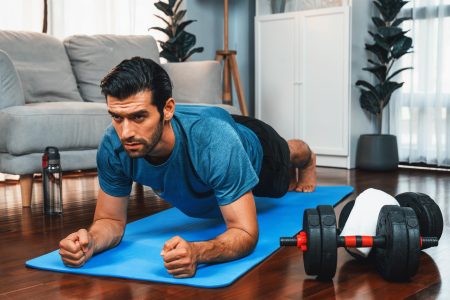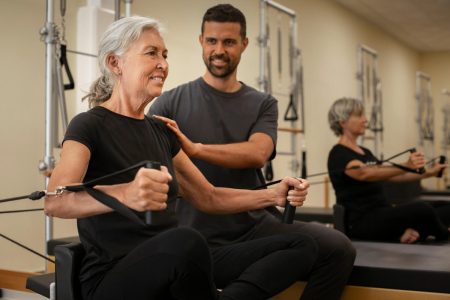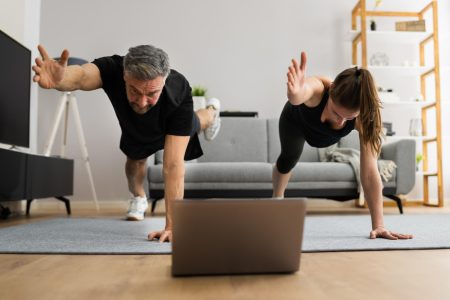
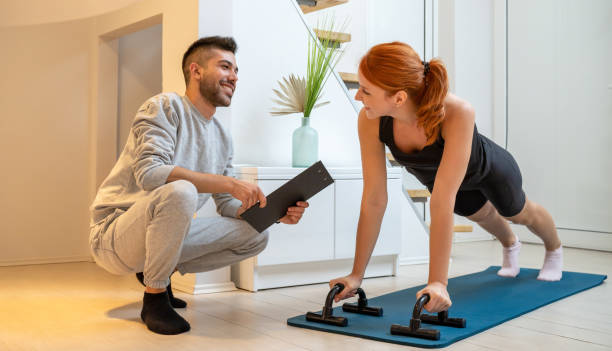
Achieving fitness goals requires more than following a general workout routine. Every individual has different objectives, physical abilities, daily responsibilities, and lifestyle requirements that influence how they should train. A personalized approach ensures that workouts are designed to support specific needs while creating a realistic path toward long-term progress. Working with an in-home personal trainer provides expert guidance, customized programming, and structured support that helps individuals build a fitness plan around their goals, lifestyle, and schedule. This approach allows training to become more effective, convenient, and sustainable.
Why Are Personalized Fitness Plans More Effective Than Generic Workouts?
Personalized fitness plans are designed around individual requirements instead of using the same workout structure for everyone. A customized approach considers current abilities, fitness goals, available time, and personal preferences to create a program that supports consistent improvement.
Understanding Individual Fitness Needs and Challenges
Every person begins their fitness journey with different strengths, limitations, and objectives. Understanding these factors helps create workouts that are appropriate, effective, and aligned with personal expectations. A professional trainer evaluates these needs before developing a structured fitness plan.
The Limitations of One-Size-Fits-All Exercise Programs
Generic workout programs often fail to address individual differences. They may not provide suitable exercises, progression levels, or guidance required for steady improvement. Without customization, individuals may struggle to maintain consistency or achieve their desired results.
What Does an In-Home Personal Trainer Do?
An in-home personal trainer provides professional fitness coaching directly within a private home environment. Their role involves creating customized workout plans, monitoring progress, improving exercise technique, and helping clients stay focused on their goals.
Understanding the Role of a Fitness Trainer at Home
A fitness trainer at home evaluates your current fitness level, understands your objectives, and develops a program that matches your abilities. They provide instruction, motivation, and ongoing adjustments to ensure every workout remains effective.
How In-Home Coaching Creates a More Personalized Training Experience
In-home coaching allows trainers to focus completely on one individual without distractions. This creates an environment where workouts can be adapted according to progress, preferences, and daily requirements.
How Does an In-Home Personal Trainer Evaluate Your Fitness Goals?
Before creating a workout plan, a trainer needs to understand what you want to achieve. Goal evaluation provides direction and ensures that every exercise included in the program contributes toward meaningful progress.
Identifying Short-Term and Long-Term Fitness Objectives
A trainer helps identify both immediate and future goals. Short-term objectives provide motivation, while long-term goals create a clear vision for overall fitness improvement.
Understanding Goals Related to Strength, Weight Management, Mobility, and Wellness
Fitness goals can vary from improving strength and endurance to supporting mobility, flexibility, weight management, and overall wellness. Understanding these priorities helps trainers create programs that match individual expectations.
Creating a Clear Direction for Your Fitness Journey
A clear fitness direction makes progress easier to track. Trainers use goal-setting strategies to create structured plans that guide clients through each stage of their development.
How Are Fitness Levels Assessed Before Creating a Workout Plan?
A proper assessment helps determine where you currently stand and what type of training approach will be most effective. This allows trainers to create programs that are challenging while remaining suitable for your fitness level.
Evaluating Strength, Mobility, Endurance, and Movement Patterns
Fitness assessments often consider strength, mobility, endurance, balance, and movement quality. These factors help trainers understand how the body performs and what areas require attention.
Identifying Physical Limitations and Training Considerations
Understanding physical limitations allows trainers to select appropriate exercises and create safer workout plans. Individual considerations help ensure that training remains effective and comfortable.
Establishing a Starting Point for Progress Tracking
A starting point provides a foundation for measuring improvement. Trainers can monitor changes over time and adjust workouts according to progress.
How Does Lifestyle Influence an In-Home Personal Training Program?
A successful fitness program should fit naturally into your lifestyle. Trainers consider daily routines, responsibilities, and availability when designing workouts to ensure consistency.
Designing Workouts Around Work and Personal Commitments
Busy schedules can make exercise difficult to maintain. An in-home trainer creates flexible workout plans that fit around professional responsibilities and personal commitments.
Adapting Training to Daily Energy Levels and Availability
Energy levels and availability can change throughout the week. Personalized programs allow adjustments that keep workouts realistic and manageable.
Creating Realistic Fitness Habits That Fit Your Routine
Long-term fitness success depends on habits that can be maintained. A trainer helps create practical routines that support consistent exercise without disrupting daily life.
How Does a Customized Workout Plan Improve Fitness Results?
A customized workout plan creates a structured approach that aligns exercise routines with personal goals, abilities, and lifestyle requirements. Instead of following general workouts, individuals receive programs designed to support their specific fitness objectives. This personalized strategy helps improve consistency, maximize effort, and create measurable progress over time.
Selecting Exercises Based on Individual Goals
A trainer selects exercises according to the results an individual wants to achieve. Whether the focus is improving strength, increasing mobility, enhancing endurance, or supporting overall wellness, each exercise is chosen with a specific purpose. This ensures that workouts remain relevant and contribute directly toward personal fitness goals.
Adjusting Training Intensity and Progression Over Time
Fitness improvement requires gradual progression. An in-home personal trainer adjusts workout intensity, resistance, repetitions, and exercise difficulty as performance improves. These changes help maintain progress while ensuring workouts remain suitable for the individual’s current fitness level.
Creating Structured Workouts for Consistent Improvement
A structured workout plan provides clear direction and eliminates uncertainty about what exercises to perform. By following a planned approach, individuals can maintain consistency, track progress, and continue improving their overall fitness.
Why Is Personalized Fitness Coaching Important for Long-Term Success?
Long-term fitness success depends on more than completing workouts. It requires proper guidance, consistent effort, and a strategy that adapts as goals and abilities change. Personalized fitness coaching provides the support needed to create lasting improvements.
Providing Expert Guidance During Every Session
Professional guidance helps individuals understand how to perform exercises correctly and safely. Trainers provide instructions, monitor progress, and make adjustments throughout each session to ensure workouts remain effective.
Improving Exercise Technique and Training Safety
Correct exercise technique is essential for achieving better results. A trainer observes movement patterns and provides feedback to improve form, posture, and execution. This helps create safer training habits while improving workout effectiveness.
Helping Clients Stay Accountable and Motivated
Accountability plays an important role in maintaining consistency. Regular sessions with a trainer provide structure, encouragement, and motivation that help individuals remain committed to their fitness plans.
What Are the Benefits of Working With a Private Personal Trainer at Home?
Private personal training at home combines professional coaching with convenience and flexibility. It allows individuals to receive focused attention while training in an environment that fits their lifestyle.
Enjoying a Comfortable and Private Training Environment
Training at home provides a comfortable space where individuals can focus on their workouts without common distractions. A private environment allows trainers to provide personalized guidance and create a more focused training experience.
Saving Time With Convenient Home-Based Sessions
Home-based training eliminates the need to travel to a gym. This saves valuable time and makes it easier to maintain regular workouts within a busy schedule.
Receiving Focused One-on-One Support
One-on-one training allows the trainer to focus completely on one individual. This dedicated attention ensures workouts are adjusted according to progress, goals, and personal requirements.
How Does a Home Fitness Coach Canada Support Sustainable Progress?
A home fitness coach helps individuals develop consistent routines by providing customized programs, progress tracking, and ongoing guidance. Services such as personalized fitness training focus on creating structured approaches that support long-term health and fitness improvements.
Tracking Fitness Improvements and Adjusting Plans
Progress tracking helps identify improvements and areas that need further attention. Trainers review performance regularly and modify workout plans to continue supporting development.
Helping Clients Build Healthy Long-Term Habits
Sustainable fitness comes from creating habits that can be maintained over time. A trainer helps individuals develop realistic exercise routines that fit naturally into their daily lives.
Maintaining Motivation Through Ongoing Support
Continuous professional support helps individuals stay focused throughout their fitness journey. Trainers provide encouragement, adjustments, and guidance to maintain progress.
What Should You Consider When Choosing an In-Home Personal Fitness Trainer?
Selecting the right trainer is an important step toward achieving fitness goals. The ideal trainer should provide professional knowledge, personalized planning, and an approach that matches individual needs.
Reviewing Experience, Qualifications, and Coaching Approach
A qualified trainer should have experience creating customized programs and providing effective fitness guidance. Reviewing their coaching style helps ensure their approach matches your expectations.
Understanding How Training Plans Are Customized
A strong training program should begin with an assessment of fitness levels, goals, and lifestyle requirements. Understanding how workouts are personalized helps determine whether the program is suitable.
Finding a Trainer Who Matches Your Goals and Lifestyle
The right trainer should understand your objectives and create a program that fits your schedule. Compatibility between trainer and client helps create a more effective and enjoyable experience.
Why Choose Triat Fitness for In-Home Personal Training?
Choosing the right fitness coaching service can make a significant difference in achieving long-term results. Triat Fitness provides personalized coaching designed around individual goals, fitness levels, and lifestyle needs.
Personalized Fitness Coaching Designed Around Individual Needs
Every individual has different fitness requirements. Personalized coaching ensures that workouts are created according to specific goals, abilities, and progress levels.
Customized Programs for Different Fitness Levels and Goals
A customized program helps beginners and experienced individuals receive appropriate training support. Exercises and progression methods are adjusted according to personal capabilities.
Professional Support Focused on Sustainable Results
Professional guidance helps individuals develop consistent habits and achieve lasting improvements. Structured coaching, progress tracking, and personalized support create a strong foundation for long-term success.
Conclusion
An in-home personal trainer builds a fitness plan around your goals, lifestyle, and schedule by combining personalized assessment, customized workouts, professional guidance, and ongoing support. This approach helps individuals achieve better results while developing sustainable habits that support long-term health.
With structured coaching and personalized strategies, home-based fitness training becomes a practical solution for improving strength, mobility, endurance, and overall wellness.
Ready to start your fitness journey? Book Your Fitness Session.
Frequently Asked Questions
How Does an In-Home Personal Trainer Create a Workout Plan?
An in-home personal trainer creates a workout plan by evaluating fitness levels, understanding goals, considering lifestyle factors, and selecting exercises that support individual progress.
Is In-Home Personal Training Suitable for Busy Professionals?
Yes, in-home personal training is suitable for busy professionals because sessions can be scheduled around work and personal commitments. It also eliminates travel time associated with traditional gyms.
What Makes a Customized Workout Plan More Effective?
A customized workout plan is more effective because it considers personal goals, fitness levels, limitations, and progression needs instead of using a general exercise routine.
Do I Need Fitness Equipment for Home Personal Training?
No, fitness equipment is not always required. Trainers can create effective workouts using bodyweight exercises, available equipment, and the space available at home.
How Often Should I Work With a Fitness Trainer at Home?
Training frequency depends on individual goals, fitness levels, and schedules. Many individuals benefit from regular weekly sessions to maintain consistency and achieve progress.