
Choosing the right fitness professional can completely transform your health journey. Whether your goals involve strength, weight loss, mobility or overall wellness, the trainer you bring into your home shapes your long term success. Many people begin searching for an in home personal trainer in Toronto and quickly realize there are many options across the city. This guide helps you sort through those choices using a detailed checklist that makes your decision easier and more confident.
Working with a trainer is not just about following a workout routine. It involves trust, communication, expertise and the ability to create a program that is safe and effective. When someone enters your personal space, you need to feel comfortable with their professionalism and approach. This article offers a complete breakdown of what to look for so you can make an informed decision and begin your fitness journey with the right support.
Below you will find key considerations, essential questions and insights about choosing the best trainer for your needs in Toronto.
Benefits of an In Home Personal Trainer
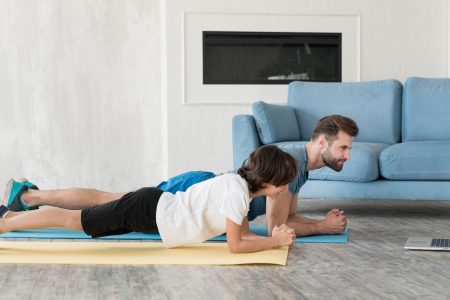
There are many advantages to training at home compared to a commercial gym. First, the convenience is unmatched. You save time on travel, avoid crowded equipment areas and stay consistent without excuses. Training in your own space also gives a sense of privacy that many people prefer, especially beginners.
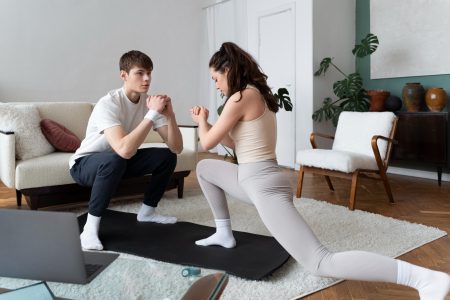
An in home trainer tailors each session around your environment. If you live in a condo, townhome or house, they design workouts with equipment you have and movements that suit your space. This level of customization leads to better results because everything is built around your daily lifestyle.
Trainers also bring accountability. When someone arrives at your door ready to coach you, motivation increases. You stay committed because you know someone is prepared to guide your progress step by step.
Checklist for Choosing the Right Trainer
1. Experience
A good trainer should have a strong background working with different types of clients. Experience shows they know how to adjust programs and manage different goals.
2. Communication Style
Trainers should explain clearly, provide direction and correct movements without making you uncomfortable.
3. Adaptability
No two clients are the same. A great trainer adjusts workouts based on your energy, mood and physical needs each day.
4. Professionalism
A reliable trainer arrives on time, responds promptly and respects your personal space.
5. Safety Awareness
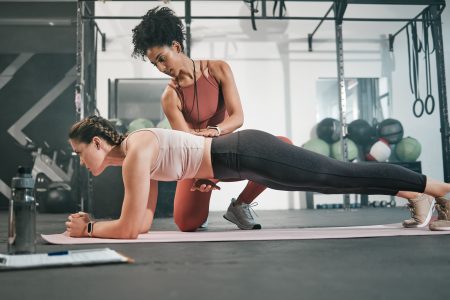
The trainer must watch your form, adjust exercises and prevent injury during every session.
Following a solid checklist ensures that you choose someone who values your long term success.
Understanding Trainer Credentials
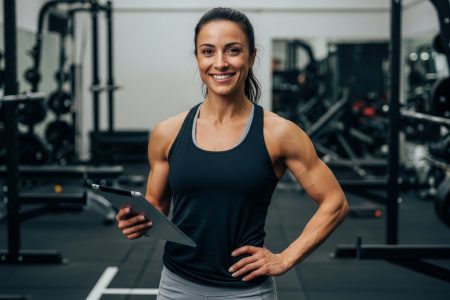
Credentials matter because a trainer is responsible for your safety. Reputable professionals hold certifications from recognized fitness organizations. They may also have education in exercise science, kinesiology or related fields.
A high level trainer stays updated through workshops and continuing education. They also carry CPR and first aid certification to handle emergencies if needed. These qualifications show commitment to professionalism.
For more clarity about the types of qualifications to expect, you can explore trainer credentials to understand what separates experienced trainers from inexperienced ones.
Small Group or One on One Training
Some people prefer private one on one sessions while others enjoy small group workouts. Each format has benefits depending on your goals and personality.
One on One Training
This format is ideal for beginners, individuals with injuries, busy professionals and anyone seeking personalized attention. The trainer focuses solely on you, adjusts movements quickly and builds sessions around your specific needs.
Small Group Training
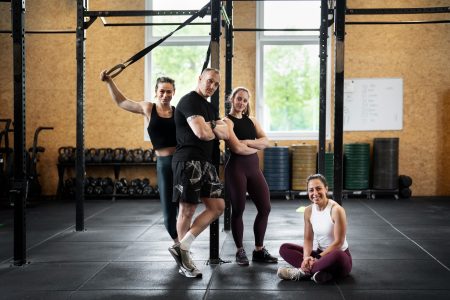
Small group sessions often involve two to four participants. People enjoy this format for its social energy and shared motivation. It can also reduce the cost per session while still providing a guided workout.
Think about what motivates you. If you prefer focus and privacy, one on one is best. If you enjoy working with others and want a fun shared experience, small group sessions can be a great option.
Toronto Condo Personal Training Considerations
Many Toronto residents live in condos with limited space, security requirements and specific building rules. Choosing a trainer who can adapt to these environments is important. Some condos require guest registration, parking passes or elevator timing. A professional trainer understands how to work efficiently within these constraints.
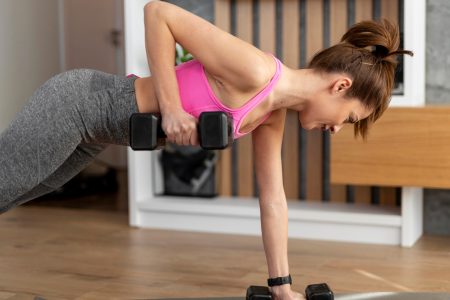
Workouts also need to be designed for smaller areas. A knowledgeable trainer knows how to use compact equipment, bodyweight routines and creative movement patterns to produce results without requiring a full gym setup.
If you want guidance that fits condo living, explore Toronto condo personal training to understand how trainers adjust workouts for smaller homes.
Essential Questions to Ask Before Hiring
1. What experience do you have with clients who share my goals
A trainer who has worked with similar clients will know how to create a plan that works for your needs.
2. What do your sessions typically include
Ask about warm ups, strength training, mobility work and progression plans.
3. How do you track progress
Tracking could include photos, strength tests or mobility assessments.
4. What is your availability
Make sure the trainer’s schedule aligns with your own.
5. What equipment do you bring
Most in home trainers supply their own tools. Ask what they provide and what you may need for home workouts.
6. Do you offer trial sessions
A trial session helps you evaluate compatibility before committing.
How to Evaluate a Trainer During a Trial Session
A trial session reveals whether a trainer is the right match. Pay attention to how they communicate and whether they listen to your concerns. They should ask questions about your fitness experience, limitations and goals before beginning any exercise.
During the workout, the trainer should check your form, correct your movements and explain why each exercise is selected. Their energy and personality should make you feel motivated rather than overwhelmed.
Notice if the trainer respects your comfort level. If something does not feel right, the trainer should modify or replace the movement. This flexibility demonstrates professionalism.
Signs You Found the Right Trainer
You Feel Comfortable
A good trainer makes you feel supported and confident.
You See Progress
You begin noticing improvements in strength, energy and endurance.
You Stay Motivated
Your trainer helps create accountability that keeps you on track.
Sessions Feel Thoughtful and Structured
Each workout has purpose and direction.
Communication is Smooth
You feel heard and understood.
These signs indicate that you have found someone who can help you reach your long term fitness goals.
Final Thoughts
Choosing a trainer is a personal decision that influences your health for years to come. When you follow a detailed checklist and ask the right questions, you will feel confident in your choice. With the right support, your fitness goals become realistic and achievable.
If you are ready to work with the best in-home personal trainer that aligns with your goals, understanding these steps will guide you toward a professional who brings out your strongest potential.
Frequently Asked Questions
Q1: How many sessions per week are ideal
Most clients train two to three times weekly. Frequency depends on your goals and schedule.
Q2: Do I need equipment for in home training
Many trainers bring equipment. Some sessions use only bodyweight. The trainer will guide you on what you may need.
Q3: Is small group training effective
Yes. Small groups help with motivation and consistency, although they offer less personal focus than one on one training.
Q4: How do I know if a trainer is qualified
Ask about certifications, experience and ongoing education.
Q5: Can condo residents train without a full gym
Absolutely. Skilled trainers design effective sessions using minimal equipment and creative exercises.