You already know you “should” work out. The real challenge is finding something that fits around meetings, family, emails, and a calendar that never seems to slow down. That is why so many busy professionals end up comparing in home training vs gym memberships and wondering which one they will actually stick with. On paper, the gym looks flexible. In reality, commute time, crowds, and low energy after work often get in the way.
In home training vs gym is not just a money comparison. It is about time, focus, consistency, and results. When a certified coach shows up at your home or condo gym, the gap between “I should train” and “I am training” gets much smaller. On the other hand, some people genuinely enjoy the energy of a large facility. This article walks through how in home training vs gym stacks up for busy professionals so you can pick the option that fits your life, not just your ideal schedule.
Time, Commute, And Daily Energy For Busy Professionals
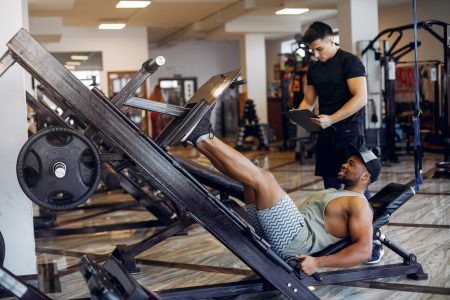
If you are already stretched thin, time is your most valuable resource. That is usually where in home training vs gym starts to separate. A typical gym session can mean packing a bag, driving or taking transit, changing, training, then doing the whole thing in reverse. Even a “quick” workout can swallow 90 minutes or more. In home training vs gym flips that script. When your coach comes to you, a 60 minute session usually takes 60 minutes, not half your evening.
Energy matters just as much as clock time. After a long workday, the idea of fighting traffic and gym crowds can drain your motivation before you even leave the house. With in home training vs gym, your coach arrives at your door at a scheduled time, which removes a lot of that friction. You can finish your day, grab some water, and step straight into your session. For many Triat Fitness clients, this simple shift is what finally makes consistent training possible.
How Commute Time Changes In Home Training vs Gym
When you compare in home training vs gym, the commute is one of the biggest differences. A regular 20 minute drive each way adds up to over three hours a month if you train three days per week. That is time you could be spending with your family, catching up on sleep, or simply relaxing. In home training vs gym coaching gives you that time back while still delivering a high quality workout in your own space.
Morning And Evening Routines With In Home Training vs Gym
Your routines at the start and end of the day are fragile. Once extra steps appear, it becomes easier to skip sessions. With in home training vs gym, your morning or evening routine can be as simple as wake up, drink water, get dressed, train. There is no packing, driving, or waiting for machines. That simplicity means you need less willpower to get started, which is crucial when you are juggling deadlines and responsibilities.
Cost, Value, And Hidden Expenses
At first glance, gym memberships look cheaper. You might pay a moderate monthly fee and gain access to a lot of equipment. When you look deeper at in home training vs gym, though, value is about more than the sticker price. The question becomes: how often do you go, how effectively do you train when you are there, and what kind of results are you actually getting for the money you spend. Paying less for something you rarely use is not a good deal.
With in home training vs gym, you are investing in structured coaching and accountability rather than just access to a building. A good coach designs sessions around your goals, monitors progress, and adjusts your plan as your life changes. That means fewer wasted months, fewer disappointing plateaus, and less risk of injury. When you factor in the time saved, the gas or transit costs avoided, and the faster progress, in home training vs gym often ends up delivering more value per session for busy professionals.
Membership Fees vs Coaching Investment
A low monthly membership might feel safe because it does not force you to commit. The flip side is that it is very easy to ignore. In home training vs gym coaching usually costs more per session, but it also comes with clear expectations, a set schedule, and a professional whose job is to help you show up. For many people, that structure actually makes it easier to get a return on their investment because skipping is no longer the default.
Long Term Value In In Home Training vs Gym
Think about the long term. If in home training vs gym helps you stay consistent for years instead of months, that consistency can reduce your risk of chronic conditions and improve your overall quality of life. Canadian physical activity guidelines for adults recommend at least 150 minutes of moderate to vigorous activity per week for health benefits, including a lower risk of more than 25 chronic conditions. If a coach supported program helps you meet those targets, in home training vs gym can be an investment in your long term health as well as your current fitness.
Convenience, Comfort, And Consistency
Convenience is not just a luxury. For busy professionals, it is often the difference between success and giving up. When you compare in home training vs gym, ask yourself which environment will be easier to access on your toughest days. Crowded weight rooms, limited parking, and long waits for equipment can all chip away at your motivation. In home training vs gym setups give you a predictable, private space that is ready when you are.
Comfort also matters, especially if you are new to training or coming back after a long break. Many people feel self conscious walking into a busy gym, unsure where to start or worried about being judged. In home training vs gym coaching lets you learn and progress in a low pressure environment, where your form can be corrected privately and your sessions can be adjusted on the fly. That emotional comfort often leads to better consistency and more honest feedback between you and your coach.
Environment And Confidence
Environment shapes behavior. If your living room, basement, or condo gym is associated with clear, focused sessions, it becomes easier to repeat that behavior. With in home training vs gym, your coach helps turn your everyday space into a place where you lift, move, and improve. Over time, seeing your own progress in that familiar setting can build a strong sense of confidence, which makes it easier to tackle other life challenges too.
Weather, Traffic, And Unplanned Barriers
Life in the GTA often means unpredictable weather and traffic. On a snowy or stormy night, even the most motivated person can feel discouraged about driving to a gym. That is another area where in home training vs gym can shine. When sessions happen in your home, condo, or a sheltered nearby spot, you are less likely to cancel because the conditions outside are not ideal. Fewer cancellations means more consistent progress over months and years.
Results, Personalization, And Safety
Results come from smart programming, not random workouts. In a typical gym environment, it is easy to bounce from machine to machine or copy what someone else is doing without a clear plan. In home training vs gym coaching centers everything around your specific goals, your injury history, and your schedule. Whether you want to lose fat, build muscle, improve mobility, or manage stress, your coach can structure a progression that actually moves you forward.
Safety is just as important. Without guidance, it is common to use poor technique, load too much weight, or repeat the same patterns until something hurts. In home training vs gym setups give your coach the chance to watch every rep, correct your form, and modify exercises if something does not feel right. That kind of real time feedback can reduce your risk of strain and help you stay active consistently, which is essential for long term health.
Customized Programming In Home Training vs Gym
A well designed program balances strength, conditioning, and mobility around your lifestyle. With in home training vs gym, your coach can build sessions that use the equipment you actually have and the time you can realistically give. You do not need a giant facility to make progress. Smart use of dumbbells, bands, bodyweight, and small tools can create surprisingly challenging workouts that align perfectly with your goals.
Form Checks And Injury Prevention
Correct movement patterns are the foundation of safe progress. In a busy gym, staff cannot always provide ongoing one to one support. With in home training vs gym coaching, form checks are built into every session. Your coach can spot subtle issues that you might not feel, such as knee caving, rounded back, or shoulder compensation, and then give you cues to fix them. This focus on quality makes in home training vs gym far more effective for busy professionals who cannot afford to lose weeks to preventable injury.
Lifestyle, Family, And Work Life Balance
Your training does not exist in a vacuum. It has to fit around your career, family, social life, and energy. That is why the lifestyle piece is so important when you look at in home training vs gym. If you have children, aging parents, or a partner with a demanding schedule, leaving the house for long periods can be tough. In home training vs gym allows you to train while still being physically present at home, which can lower stress for everyone.
Work life balance is another key factor. When your calendar is full, exercise is often the first thing to get cut. In home training vs gym can help protect that time because your coach is booked into your week like an important meeting. According to Canadian public health sources, even moderate increases in weekly physical activity can significantly reduce the risk of chronic disease and improve overall wellbeing. If in home training vs gym makes it easier for you to meet those activity targets, your health and productivity both benefit.
Training Around Kids, Meetings, And Travel
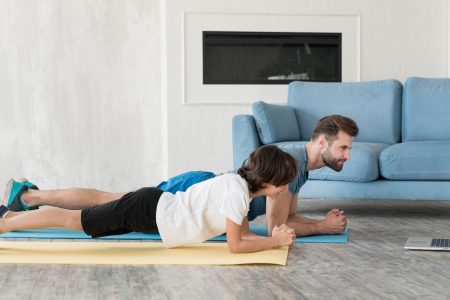
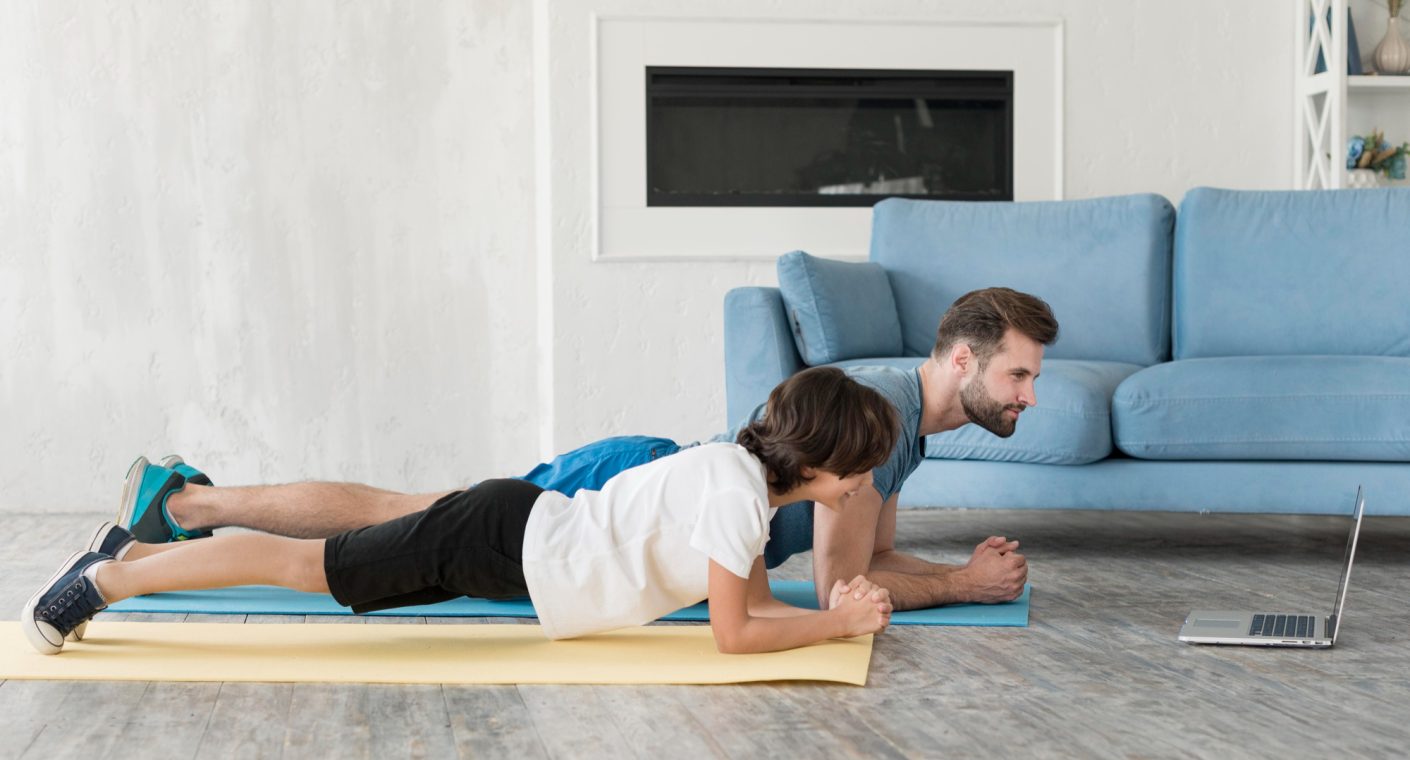
Parents often say they do not have time to train because evenings are filled with homework, dinner, and bedtime routines. With in home training vs gym, it becomes possible to train while children are at home and safe, or even to involve older kids in simple movement. Morning sessions before work and school are another powerful option. Your coach can structure in home training vs gym slots that line up with your calendar, rather than asking you to fit your life around fixed gym class times.
Building Sustainable Habits
The best program is the one you can follow for years. When you compare in home training vs gym through that lens, sustainability becomes the most important metric. If in home training vs gym gives you a high quality workout with less travel time, less stress, and a schedule you can maintain, it will likely outperform a traditional membership that you rarely use. Over time, those consistent sessions compound into better strength, mobility, confidence, and health.
Quick Comparison List: In Home Training vs Gym For Busy Pros
Sometimes it helps to see everything side by side. While individual preferences will always matter, there are recurring themes that come up when busy professionals weigh in home training vs gym. Time, privacy, accountability, and progress tracking all show clear differences once you look closely at how each option works in real life.
Use the list below as a quick gut check. If most of the wins line up with your situation, it is a good sign that in home training vs gym coaching could be a better fit for you than another year of swiping a membership card and not going.
Ten Fast Wins When You Compare In Home Training vs Gym
Clients who have tried both approaches often report several clear advantages with in home training vs gym, especially in their first three to six months of consistent work. Seeing these benefits in writing can make it easier to decide where to invest your time and energy.
- Less total time lost to commuting and waiting
- More private, comfortable environment for learning new movements
- Higher accountability because a coach shows up on schedule
- Programs customized around your equipment and space
- Easier scheduling around early mornings, late nights, or lunch hours
- Fewer missed sessions due to weather or traffic
- Better focus without music, crowds, or distractions you cannot control
- Clearer progress tracking and goal setting with a coach guiding you
- Greater flexibility to include family members when appropriate
- Stronger long term adherence compared with typical gym usage patterns
Why Choose Triat Fitness
There are many trainers and gyms in the GTA, but not all of them are designed with mobile coaching and busy professionals in mind. Triat Fitness focuses specifically on in home personal training, partner sessions, and small group coaching across Toronto, North York, Etobicoke, and Mississauga. That focus means the team understands the real daily challenges behind the in home training vs gym decision and knows how to remove obstacles that usually stop people from following through.
When you work with Triat Fitness, your plan is built around your schedule, not the other way around. The team designs in home training vs gym style programs that use your living room, condo gym, home studio, or nearby outdoor space. You get structured, progressive sessions that line up with your goals, whether that is weight loss, strength, better energy, or feeling confident in your body again. Early mornings, late evenings, and weekend slots are available so your training feels like part of your life, not an extra stress.
How Triat Fitness Supports Busy Professionals
Busy professionals need more than generic workouts. Triat Fitness coaches look at your total week, including work hours, stress, commute, and family commitments, then build in home training vs gym plans that you can actually stick to. Warm ups, main lifts, conditioning, and mobility are all tailored to your needs, and every session includes technique coaching and adjustments based on how you are feeling that day. This responsive approach makes in home training vs gym highly effective for people with demanding jobs.
Triat Fitness Coaching Options
Triat Fitness offers one on one in home training, partner sessions, and small group options so you can choose the version of in home training vs gym that suits your budget and personality. You can train solo if you prefer full attention, bring a partner for shared motivation, or join a small group for a community feel. Online coaching support can also be layered in for travel weeks so your in home training vs gym habit stays consistent even when you are out of town.
Choose The Option That Fits Your Life
At the end of the day, the winner in the in home training vs gym debate is the one that helps you train consistently, safely, and with purpose. For many busy professionals in the GTA, that means choosing a flexible in home model that saves time, reduces stress, and delivers coaching right where they live. When your training fits your real life instead of an ideal schedule, it becomes much easier to turn short term effort into long term results.
If you are ready to see how in home training vs gym could work for you, Triat Fitness can help you design a schedule and plan that respects your time and your goals. Book a consultation, talk through your week, and explore options for one on one, partner, or small group coaching. The sooner you align your training with your lifestyle, the sooner you can start feeling stronger, more focused, and more in control of your health.
Frequently Asked Questions
1) Is in home training vs gym really better for busy professionals?
For many busy professionals, in home training vs gym works better because it removes commuting time, crowded spaces, and uncertain schedules. You get a focused session at home or in your condo gym, led by a coach who has designed every minute around your goals. That level of efficiency is hard to match with a traditional membership.
2) What equipment do I need for in home training vs gym coaching?
You do not need a full setup to start in home training vs gym coaching. A mat, a few dumbbells or bands, and some open floor space are enough for a coach to build effective full body sessions. Over time, you can add more tools if you like, but good programming makes in home training vs gym successful even with a minimal kit.
3) Is in home training vs gym more expensive than a regular membership?
Session rates for in home training vs gym coaching are higher than a basic membership, but you are paying for expert guidance, accountability, and time saved. Many people find that they get better results per dollar with in home training vs gym because they actually show up consistently and follow a plan that is tailored to them.
4) Can in home training vs gym help me reach national activity guidelines?
Yes. Canadian guidelines suggest adults should aim for at least 150 minutes of moderate to vigorous activity per week to support health and reduce chronic disease risk. (Canada) A structured schedule of two or three weekly sessions through in home training vs gym, combined with lighter movement on other days, can help you meet or exceed those recommendations.
5) What if my home is small or I live in a condo?
In home training vs gym setups work very well in small spaces. Coaches are used to designing sessions for condos, apartments, and shared areas. As long as you have room to lie down and move a few steps in each direction, in home training vs gym can provide challenging and safe workouts tailored to what you have.
6) Will I miss the social side of the gym if I choose in home training vs gym?
Some people enjoy the buzz of a busy gym, but many busy professionals prefer quieter, more focused sessions. If social connection is important, you can choose partner or small group formats for your in home training vs gym so you get both community and convenience without sacrificing time or privacy.
7) How do I know if in home training vs gym is right for me long term?
Ask yourself which option you are more likely to stick with on your most stressful weeks. If it feels realistic to have a coach arrive at your home at scheduled times, and unrealistic to fight traffic and crowds several days a week, then in home training vs gym is probably a better long term fit. You can always start with a trial period and review your progress after a few months.